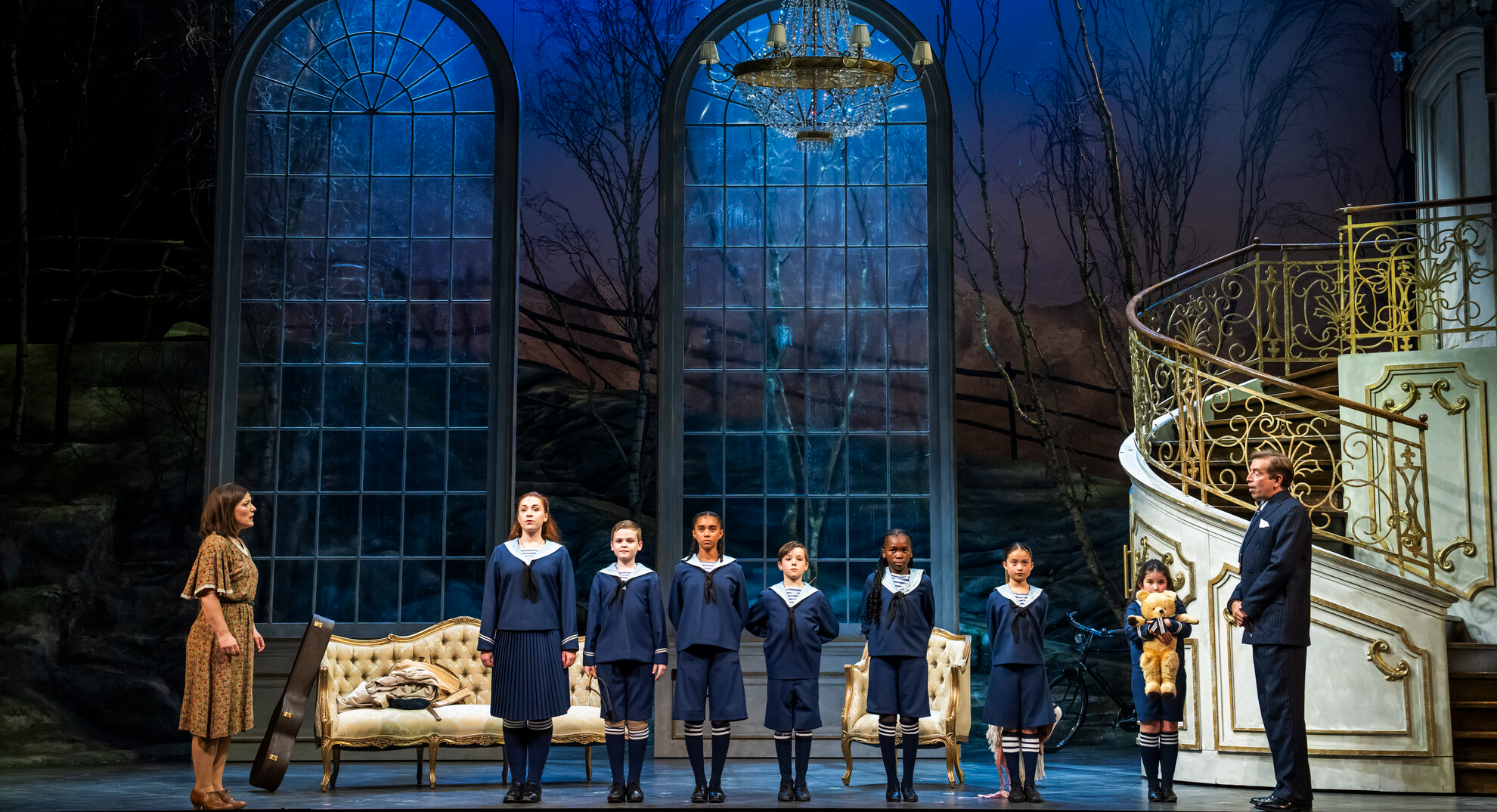
Remember the “piano trails” around Leeds and Bradford last September? A plethora of upright keyboards seemed to adorn every street corner, inviting those passing to sit down and play.
It was all designed to advertise the coming to town of the prestigious Leeds International Piano Competition. Alongside the Tchaikovsky in Moscow, Chopin in Warsaw and van Cliburn in Fort Worth, Texas, the competition is now one of the world’s “grand slam” events for aspiring pianist superstars.
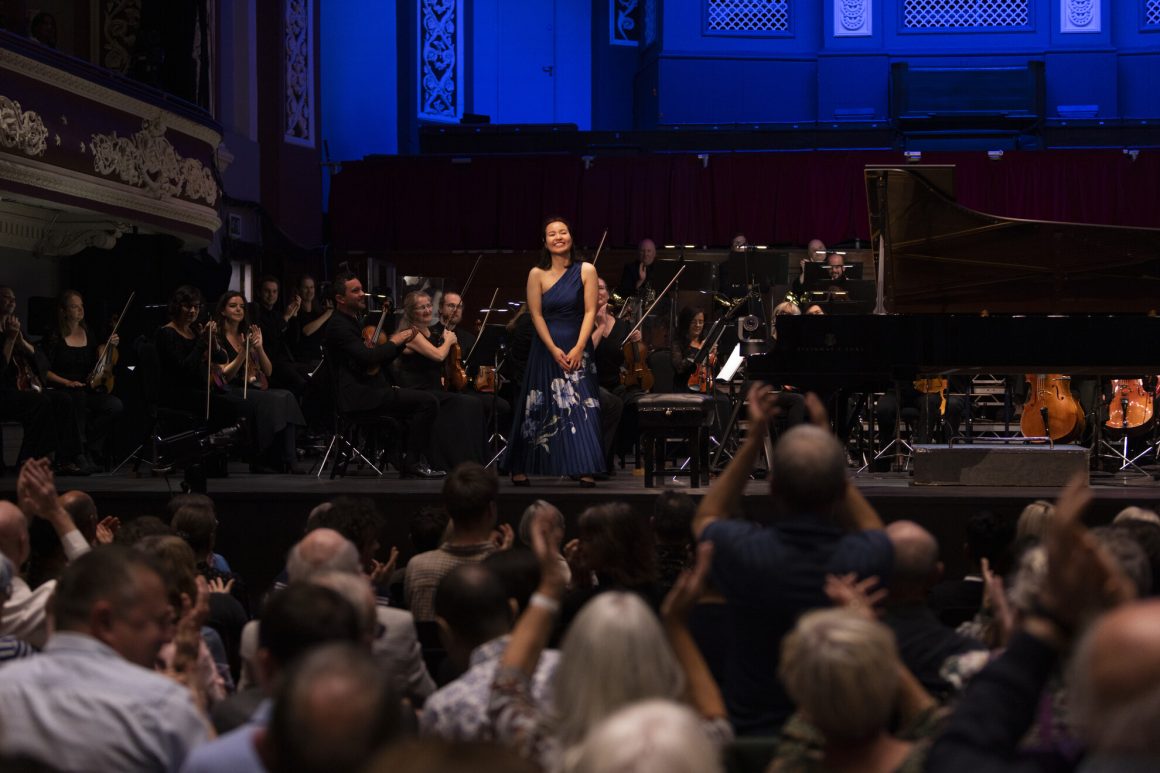
Khanh Nhi Luong is a Vietnamese pianist, based presently in Michigan, USA, who survived the rigours of competition to be awarded third place. As part of the Wharfedale Festival of Piano, she returns to give 2025’s Waterman Recital at King’s Hall, Ilkley, performing a programme of works by Beethoven, Schubert, Brahms and the Vietnamese composer Dang Huu Phucs.
“Piano competitions are important, not only for recognition and status, but as opportunities for travel. For me, travelling is one of the best tools by which to invigorate my musical experiences. Encountering new people and the experiences of foreign travel inspire me to put more of the world into the music I play.”
What were your musical beginnings and were you a willing student?
“I began to play the piano aged four. My auntie was my first teacher. As a young child, it is perhaps difficult to hide your emotions, so the frustrations of practising must have shown. I played, but I did not read music that well. I played more by what I heard. Nevertheless, her patience and persistence eventually paid off. Aged nine, I entered the Conservatoire in Vietnam and, when I became a teenager, with the competing demands in my academic life, I had to make directional choices and decided to pursue music further. Like much else, the more I explore its possibilities, the greater its appeal.”

The thread of the Waterman Recital programme is that it consists of a collection of musical love tokens by three major composers, none of whom ultimately found a wife. Were they expecting too much of their music?
“Yes, it is true – these declarations of love did not work on a personal level. Perhaps, great music emerges from great suffering and the pieces when played today, rather than the love aimed at a specific person, should resonate more deeply with an audience as purer, more general expressions of love, of nature and life. After all, the ladies concerned were quite beyond a poor composer’s reach in those days of strict social demarcation.”
Your programme begins with Beethoven’s Andante Favori, so titled because it was a favourite composition. It seems to me that Beethoven’s music will be played for as long as pianos and pianists exist, yet pianists seem to find his works rewarding in so many different ways. What do you find gratifying in Beethoven’s piano music?
“It provides a bridge to the artist himself. More so even than the nine symphonies, the piano music offers a broad series of snapshots across his entire creative life. The works of the young man, newly-arrived in Vienna, are filled with energetic, technically-difficult passages, whilst those of his middle period, with his encroaching deafness, are more reflective and thoughtful. By the end of his life, when he could “hear” nothing more than what must have been a lot of music inside his own head, it is then that the interpretation of the modern performer is of greatest importance. I do not think it is enough to satisfy oneself at recreating the piano sound of his day. Beethoven stood at the threshold of the classical era, evolving into full-fledged romanticism and whatever he detected through the action of playing, he surely realised that the instruments at his disposal had changed into something much more sturdy and robust, with tonal possibilities far greater than those he knew from his youth. There is the sense of his late piano music evoking a sound world, not only of that of the keyboard, but of choirs and string quartets as well.”
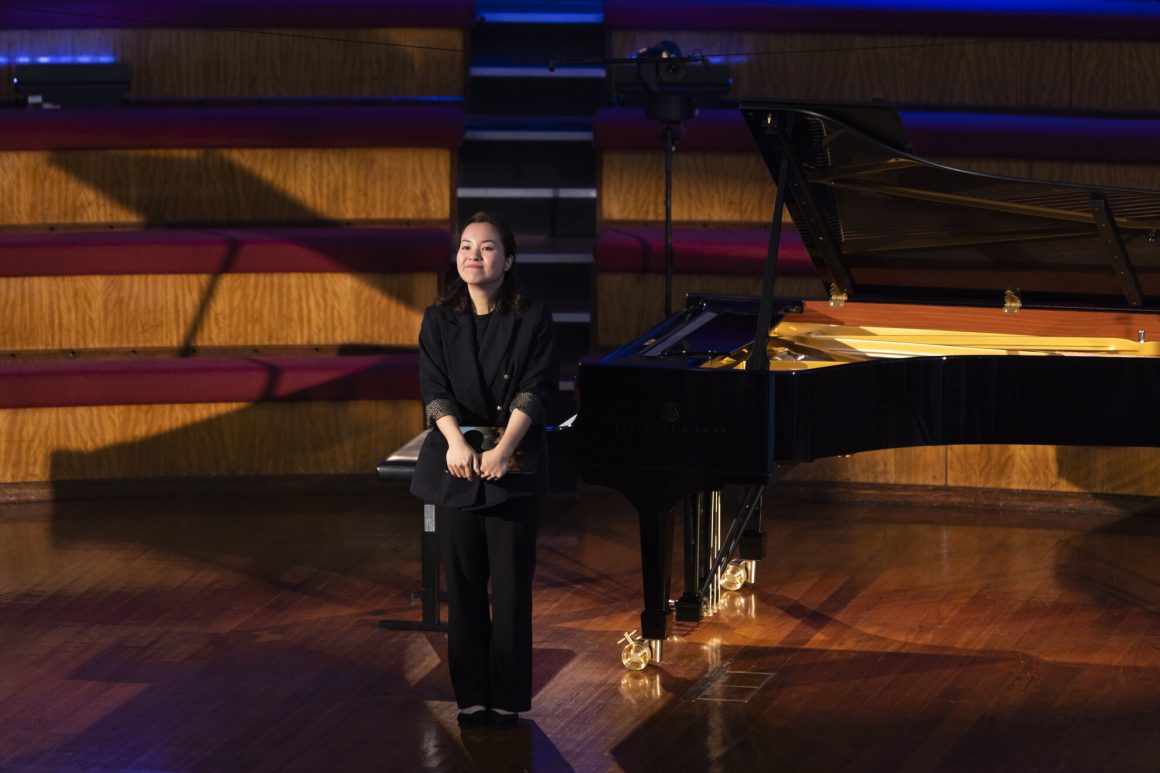
You are introducing Yorkshire audiences to the music of Dang Huu Phucs, most probably for the first time. He is famed for his film music and songs. What attracted you to these piano pieces?
“The collective title is, “Bunches Of Flowers Of Vietnam”, and the composer uses different flowers as a metaphor for the nation’s diverse ethnic groups. They are described as “Folk Melodies”, five relatively small works, very simple, the sort of tunes a mother might sing to her infant. Shorn of their words, the notes alone evoke the traditional instruments and distinct character of the Vietnamese people.”
Photography by Frances Marshall.