
As part of Leeds Lit Fest, ‘Wild Woman Writing the North’ brought together two distinctive literary voices for an evening gathering in an intimate corner of Hyde Park Book Club.
The two writers, Rachel Bower and Professor Emily Zobel Marshall in conversation tied experiences of womanhood to the Yorkshire landscape, their respective detailed questions opening up discussion around the inspiration behind their craft, as well as taking turns to read aloud their evocative and compelling excerpts.
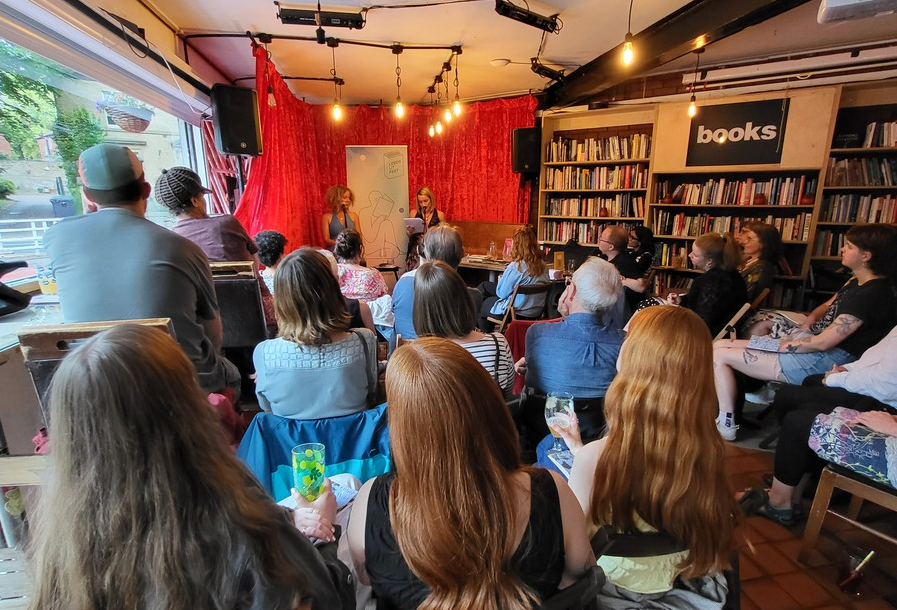
Bower, an award-winning writer, poet and creative facilitator and Marshall, a Professor of Postcolonial Literature at Leeds Beckett University generated a fitting dynamic through prose and their connection to the pastoral. Both women emphasised that they didn’t see themselves reflected in nature, nor did they project human traits onto their surroundings. Instead, they allowed the natural world to remain free and uncontained.
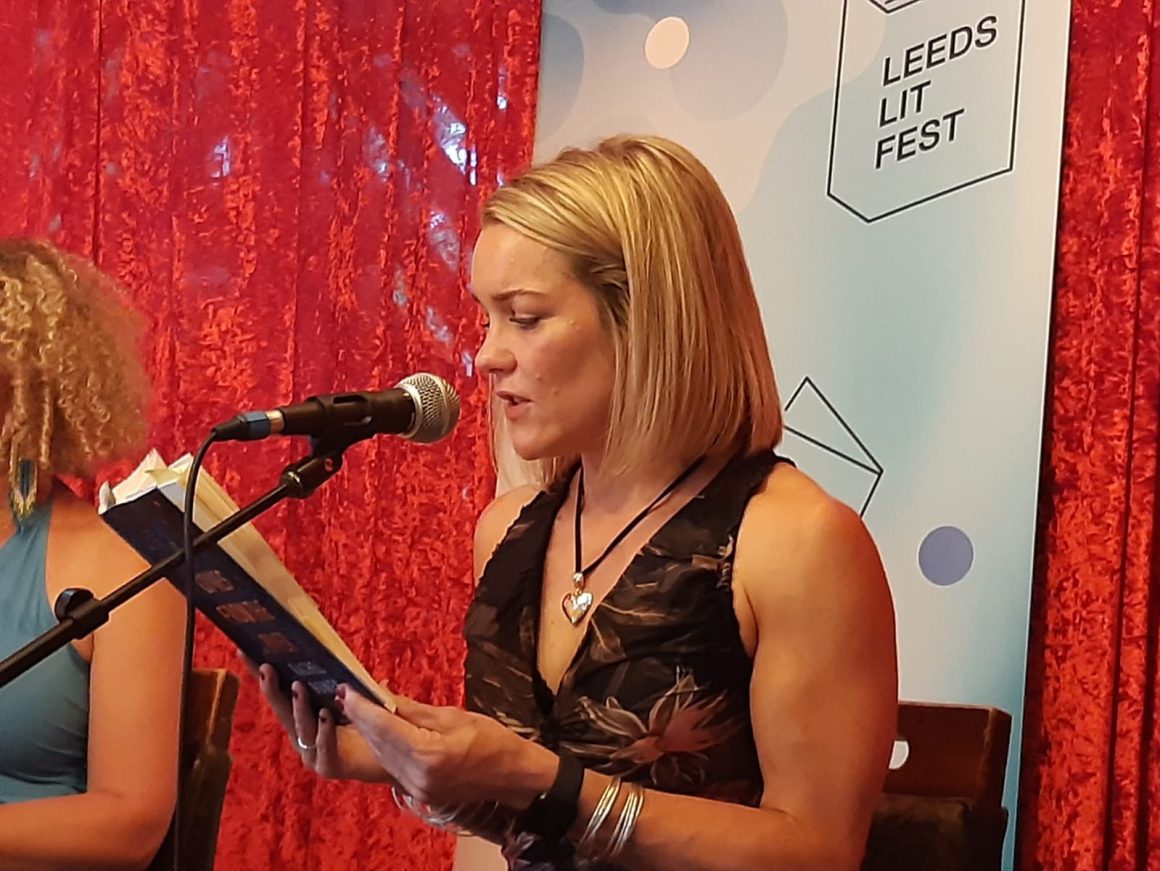
The event started with an introduction to Rachel Bower’s debut novel It Comes from the River, which weaves Yorkshire folklore of the ominous Gytrash, a shape-shifting beastly figure, with motifs of transformation, female solidarity and resilience. Elements of Bower’s poetic background seeped into the prose, which carried lyrical intensity and rhythm that elevated the narrative. The vignettes read aloud pulsed with poetic language, capturing the novel’s soul as Bower ventured into conversations about some of the darkest experiences of womanhood.
Later, we heard more of Bower’s poetry as she also promoted her anthology Bee, a collection of thirty poems honouring the small yet mighty species. The poems were insightful and rich with research, moving her writings from simple natural observation to a celebration of the symbolic and ecological significance of bees. Through them, Bower explored the intersection of ecological awareness and feminist history, choosing poems from her anthology which linked to the Suffragette movement and defining moments for women in science.
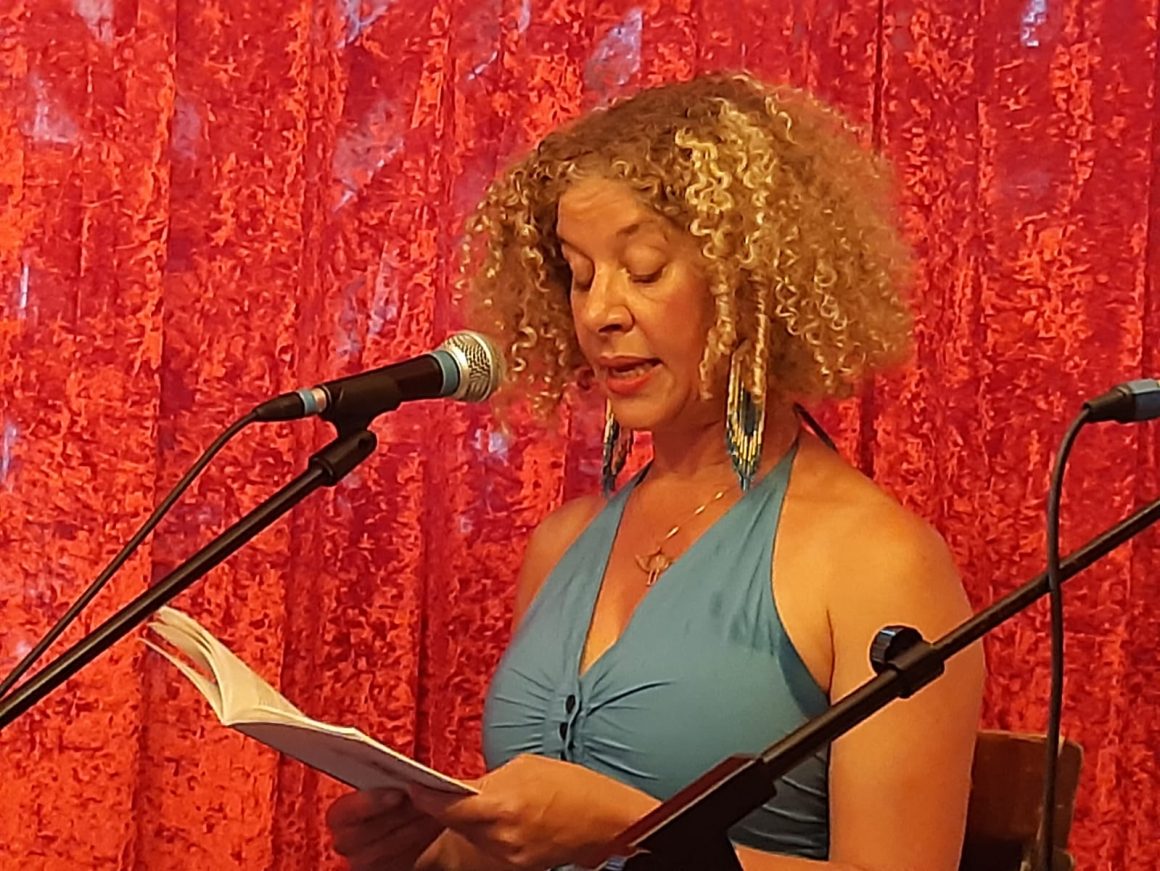
Professor Emily Zobel Marshall’s poems, featured in Bath of Herbs, explored the complex terrain of diasporic identity, shaped by her French-Caribbean and British heritage. The title of the anthology is a tribute to her grandmother, who bathed her mother in a restorative medicinal bath after childbirth. This intimate act, which symbolises intergenerational wisdom, healing and maternal legacy, was replicated through her body of work which thoughtfully focuses on themes of motherhood, cultural hybridity and the embodied experience of being between worlds.
Marshall’s poems honour memory and ancestry while simultaneously questioning the systems that attempt to define or constrain identity. Through her lyrical meditations, Marshall challenged monolithic notions of identity, often exploring the feeling of being an outsider looking in. She uses the concept of trespassing into the natural world as a poignant metaphor for transgressing patriarchal boundaries, illustrating how nature becomes a space for both defiance and connection. The British landscape, with its quiet power and unassuming beauty, becomes a site of both belonging and resistance. Her work gestures toward a broader project of decolonisation, both personal and collective, weaving memory into the land and reconsidering how identity is rooted, resisted and reimagined across generations.
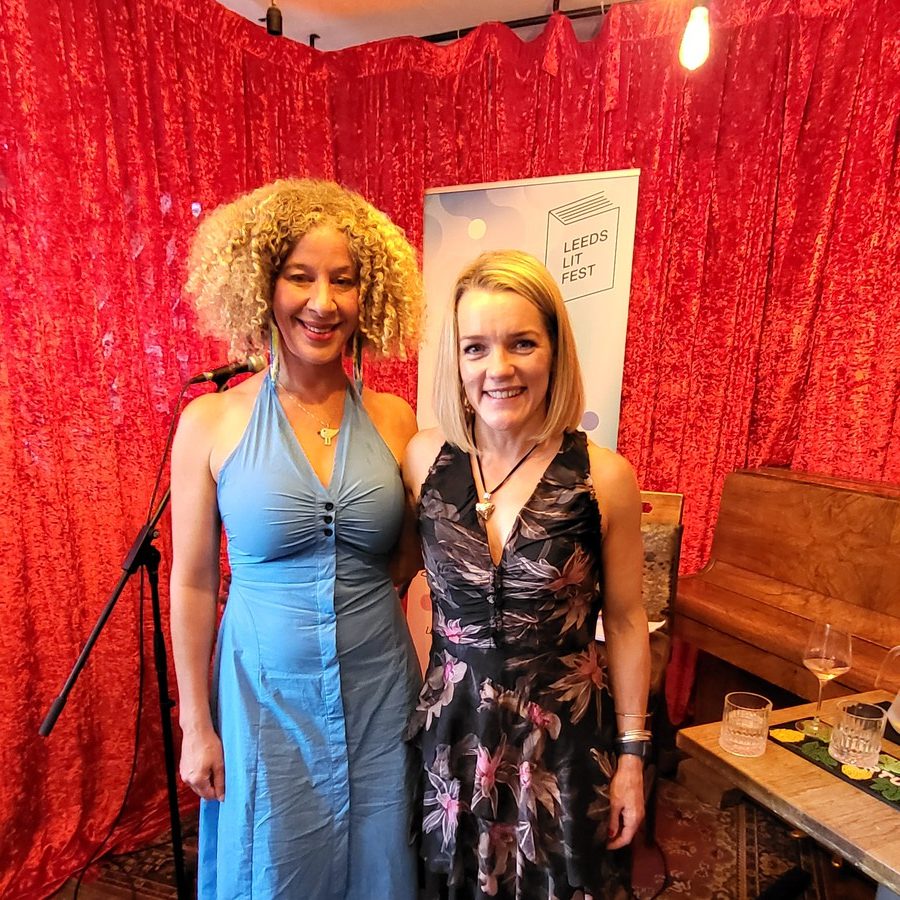
The power of oral storytelling was central to the evening; it is clear from their spoken word performances that both writers carefully crafted rhythm and musicality into their work. Their readings brought an added sense of intimacy to the space and breathed new life into the text. Their descriptive and unique voices offered a fresh perspective that immersed the audience in the wild Yorkshire scenery.
This was an evening of exceptional talent as Bower and Marshall fostered a connection between nature and womanhood in defiance of patriarchy. Through vivid descriptions of the untamed Yorkshire wilderness, the writers resist the romanticisation or taming of nature, mirroring womanhood in all its complexity, power and independence.
Leeds Lit Fest continues through to 22 June.
- Instagram: @leeds_lit_fest
- Facebook: @LeedsLitFest
- X: @LeedsLit
- Bluesky: @leedslitfest.bsky.social
- #LLF25