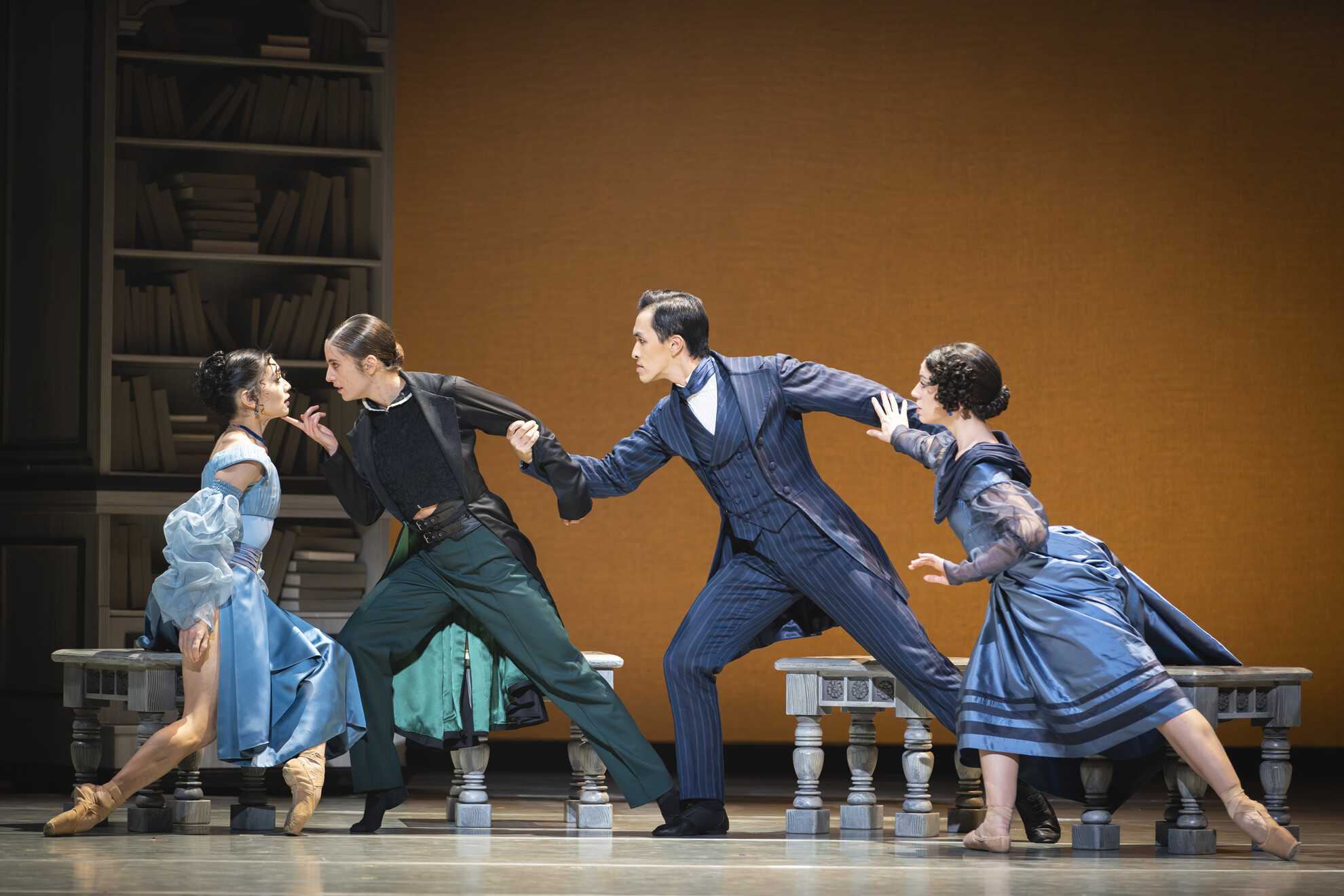
Opera North’s new Marriage of Figaro is a clear and confident revival, introducing a recognisable modern setting. As a result, the developing story feels easy to follow and relevant.
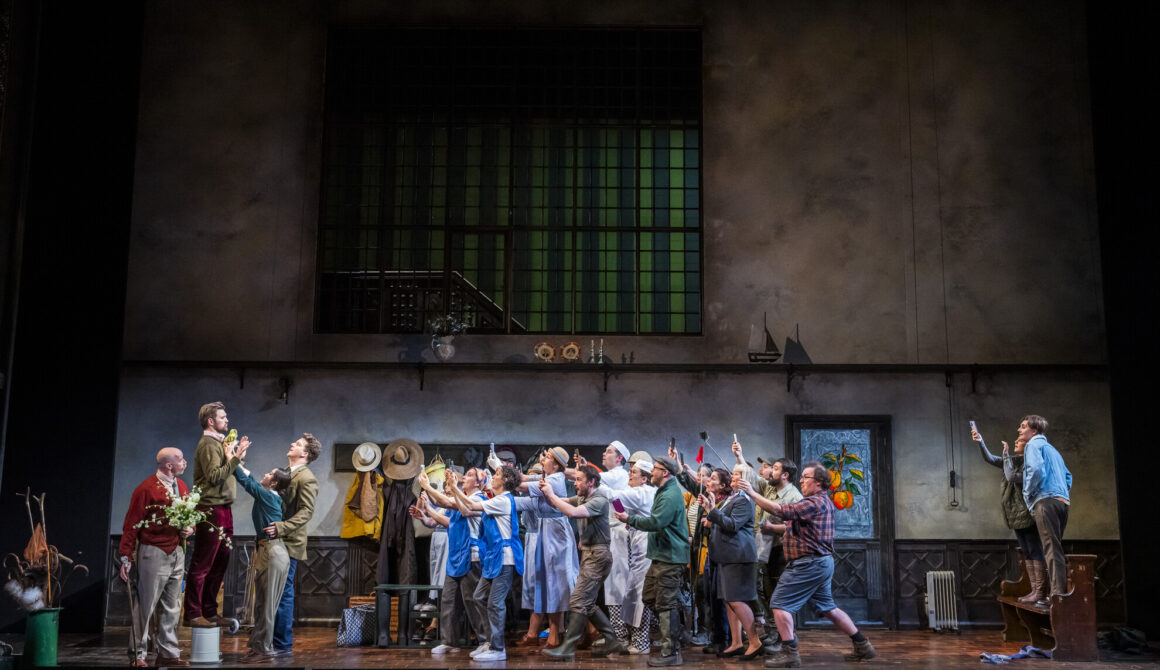
Director Louisa Muller and designer Madeleine Boyd set the opera in a struggling English country house, now dependent on tourism. Visitors wander through, taking photos, while the family who own the estate work to keep it afloat. Social rank still shapes how people behave, but it no longer carries real authority, which suits an opera about power that begins to fail when it is questioned.
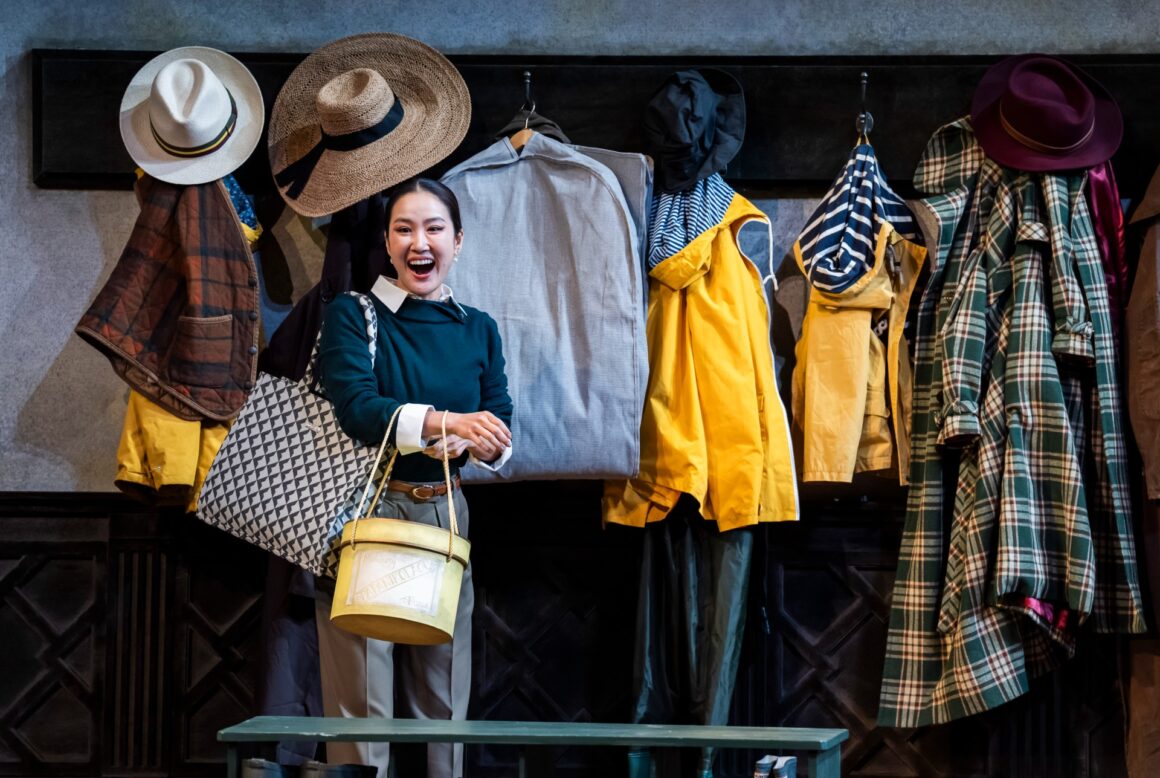
The action opens in a busy boot room, cluttered with the everyday mess of estate life. From there, the house appears in fragments rather than as a complete space. A diagonal staircase reappears throughout the opera in different positions, helping to link the scenes. This broken-up layout supports the comedy, as characters miss one another, overhear conversations, and move through spaces that never quite line up.
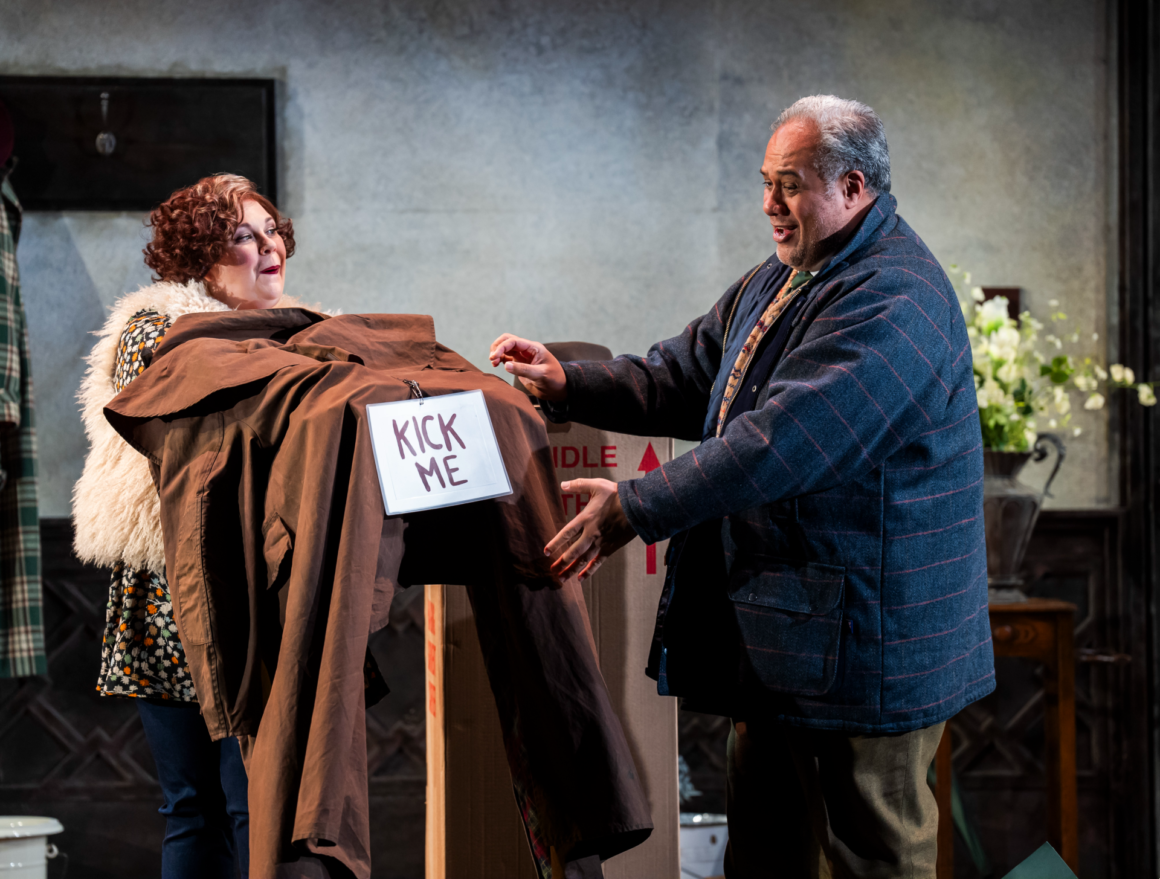
The production is strongest in its ensemble scenes. The mix of staff, family members and tourists on stage creates a sense of confusion that drives much of the humour. The supporting cast adds to the feeling of a shared world. Bartolo (Jonathan Lemalu) and Marcellina (Katherine Broderick) plot against Figaro (Liam James Karai) through sabotaging various things.
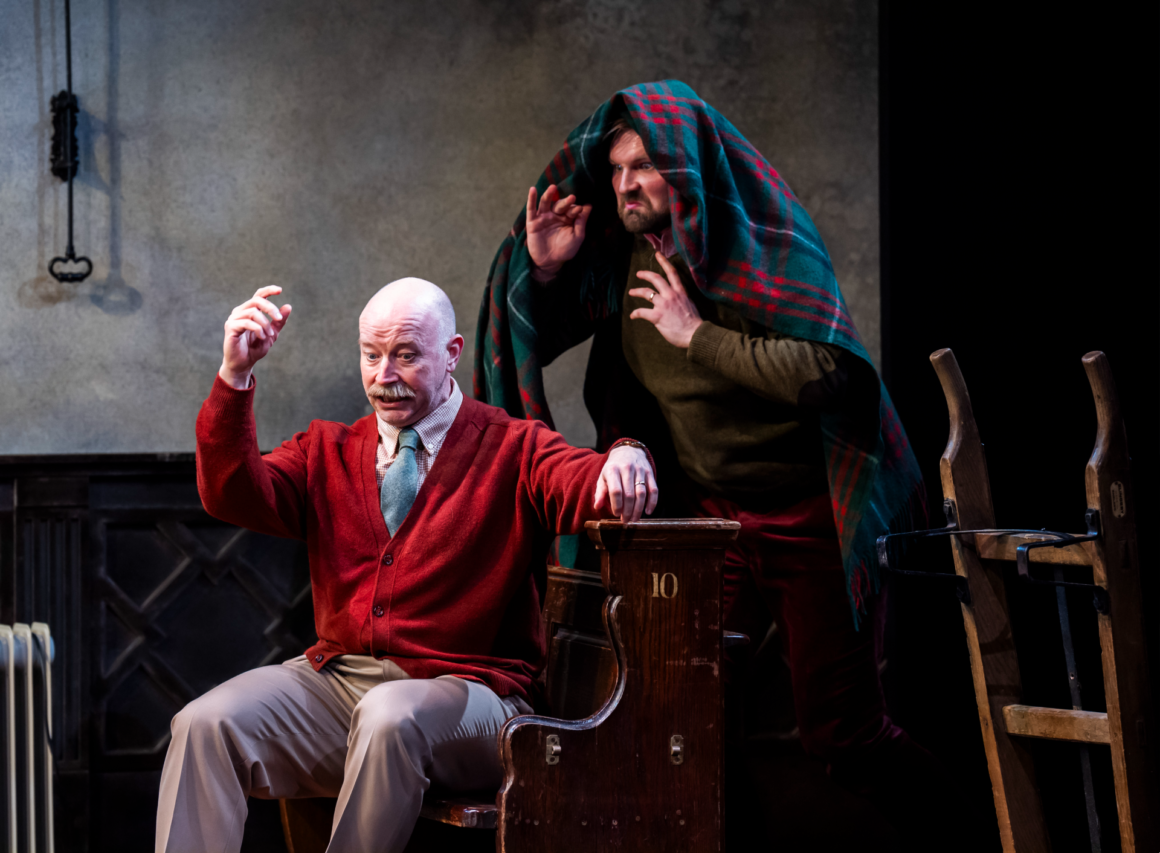
Don Basilio (Daniel Norman) is an excellently intrusive presence as the Count’s assistant. The tourists also join the action, forming a chorus with the staff that increases the pressure as the Count’s control slips. It is through this constant intermingling that the production conveys a strong sense of community.
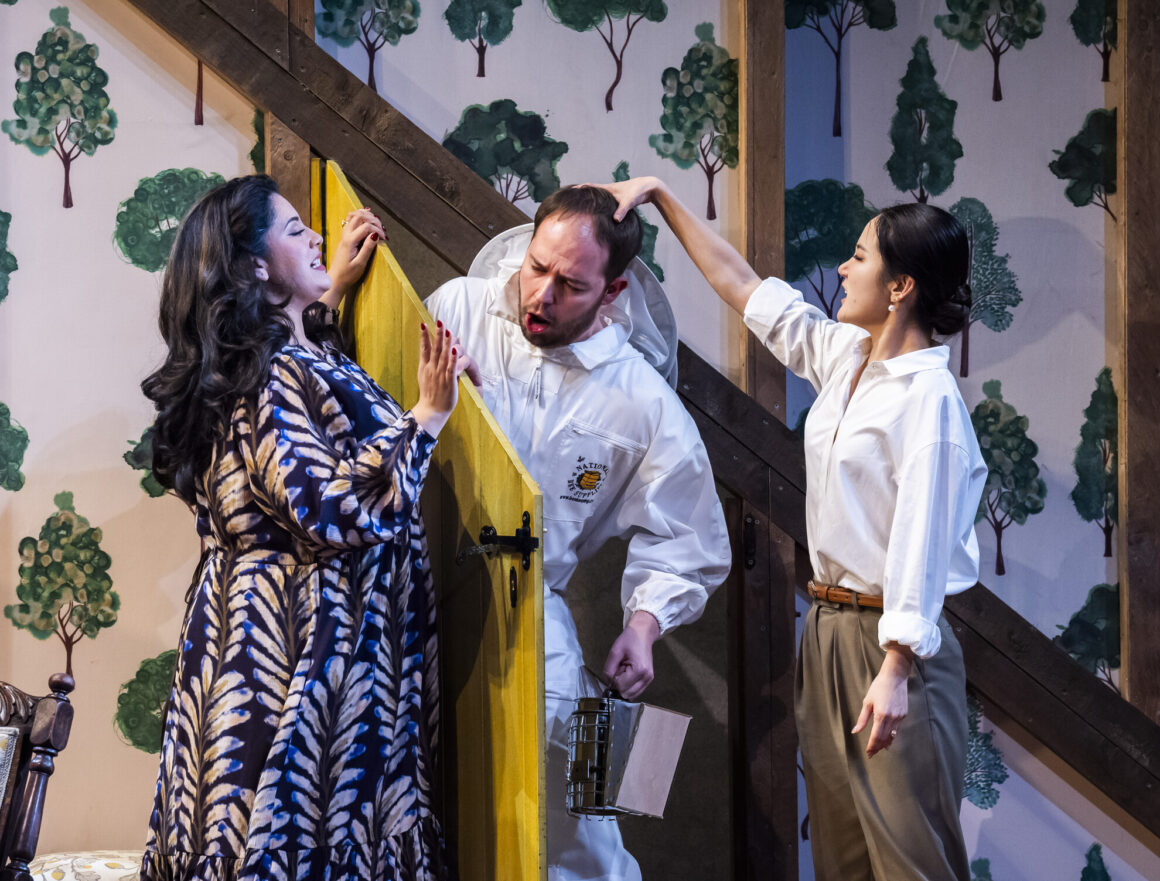
Cherubino stands out in particular. Hongni Wu captures the uncertainty and restlessness of adolescence without overplaying it. Having already been caught with Barbarina (Charlotte Bowden), Cherubino attracts suspicion from the Count, while Susanna (Hera Hyesang Park) and the Countess treat him with a mix of patience and amusement. Wu captures well the awkwardness at the heart of the character.
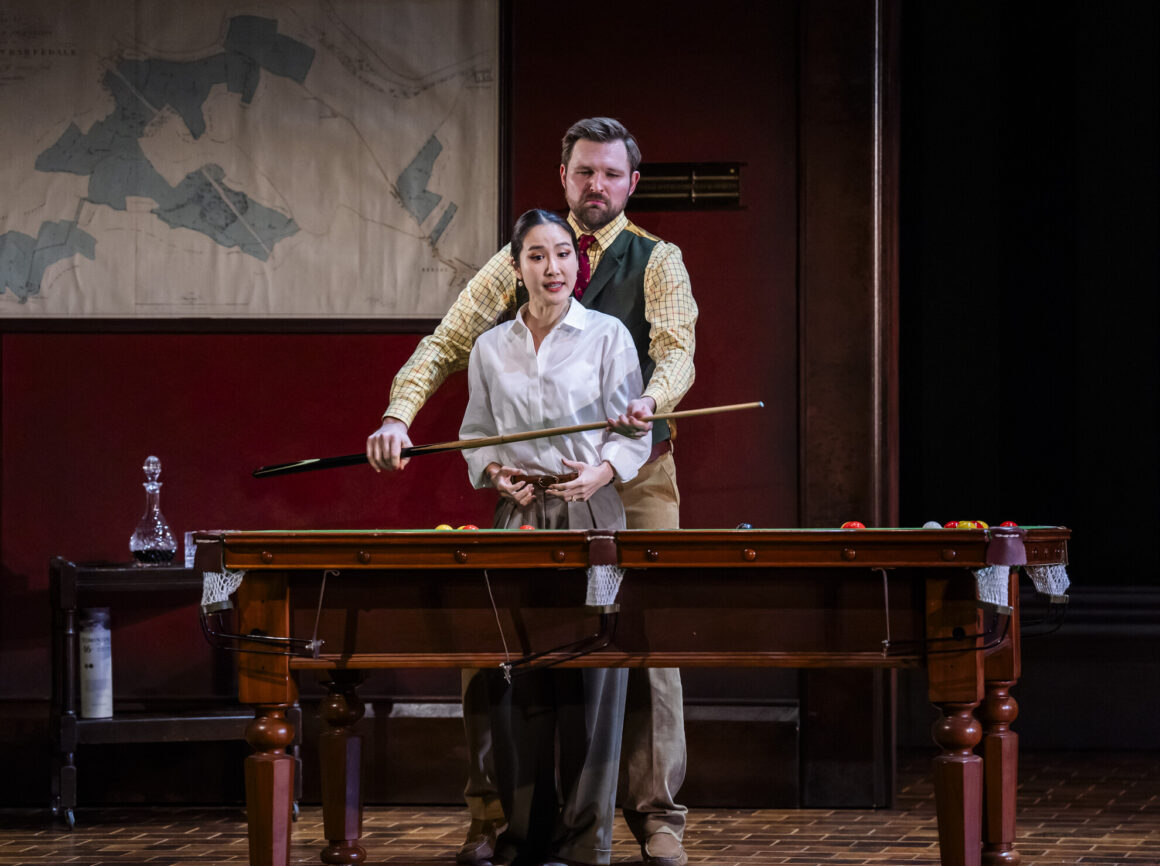
By focusing on how the characters interact with each other, the production put community at the centre of the opera. The unsettled house reflects those shifting relationships, where nothing feels secure. It shows why Figaro still works today, through its humour, its observation of power under pressure, and the satisfaction of seeing those with less authority come out on top.
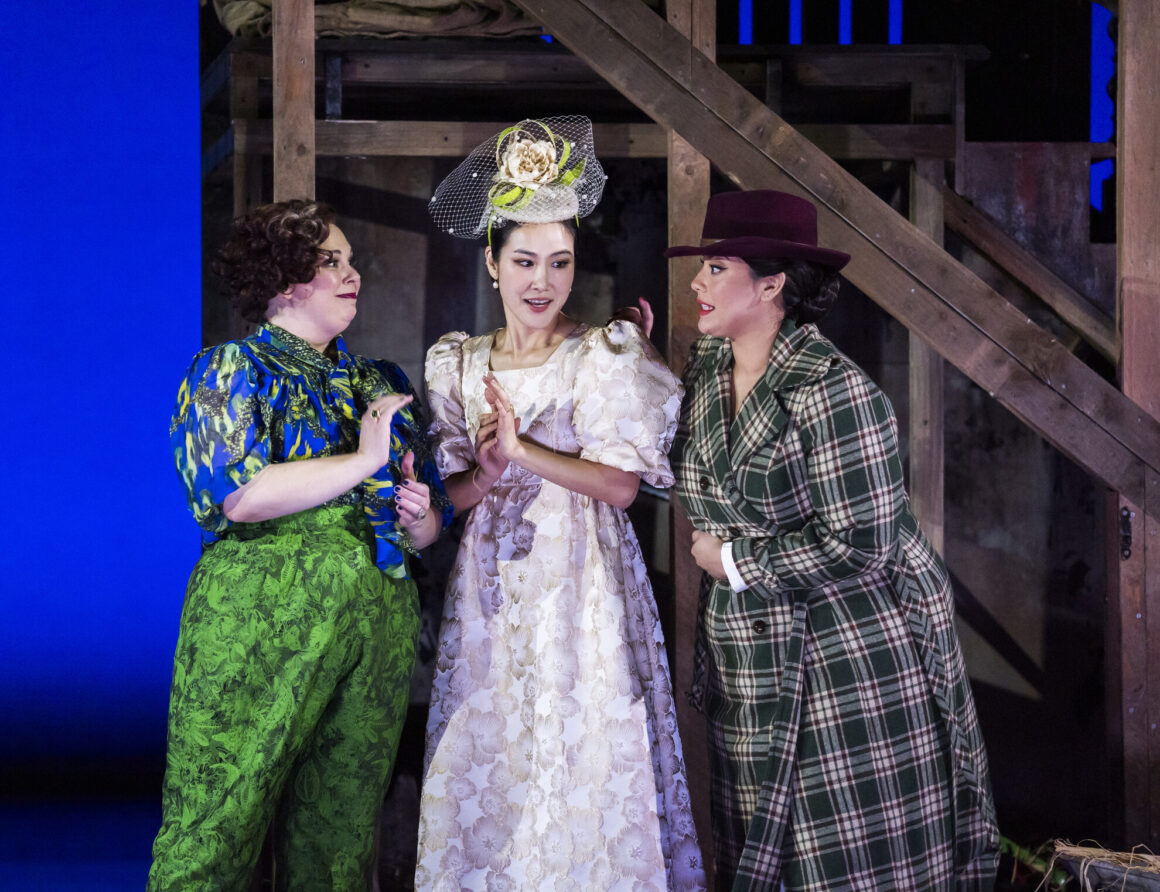
Conductor Valentina Peleggi, Director Louisa Muller, Set & Costume Designer Madeleine
Boyd, Lighting Designer Malcolm Rippeth, Choreographer Rebecca Howell.
Photography by Tristram Kenton.