Northern Ballet‘s contemporary ballet drawn from the life of Halifax’s Anne Lister, better known as Gentleman Jack, offers a refreshing approach to dance.
The production doesn’t rely on the audience’s familiarity with an established storyline in the way canonical works such as Romeo and Juliet, The Nutcracker or Swan Lake often do. Instead, the choreography must construct the narrative from the ground up, communicating character, conflict and emotion entirely through movement. The result is an inventive exploration of how dance alone can function as a form of language.
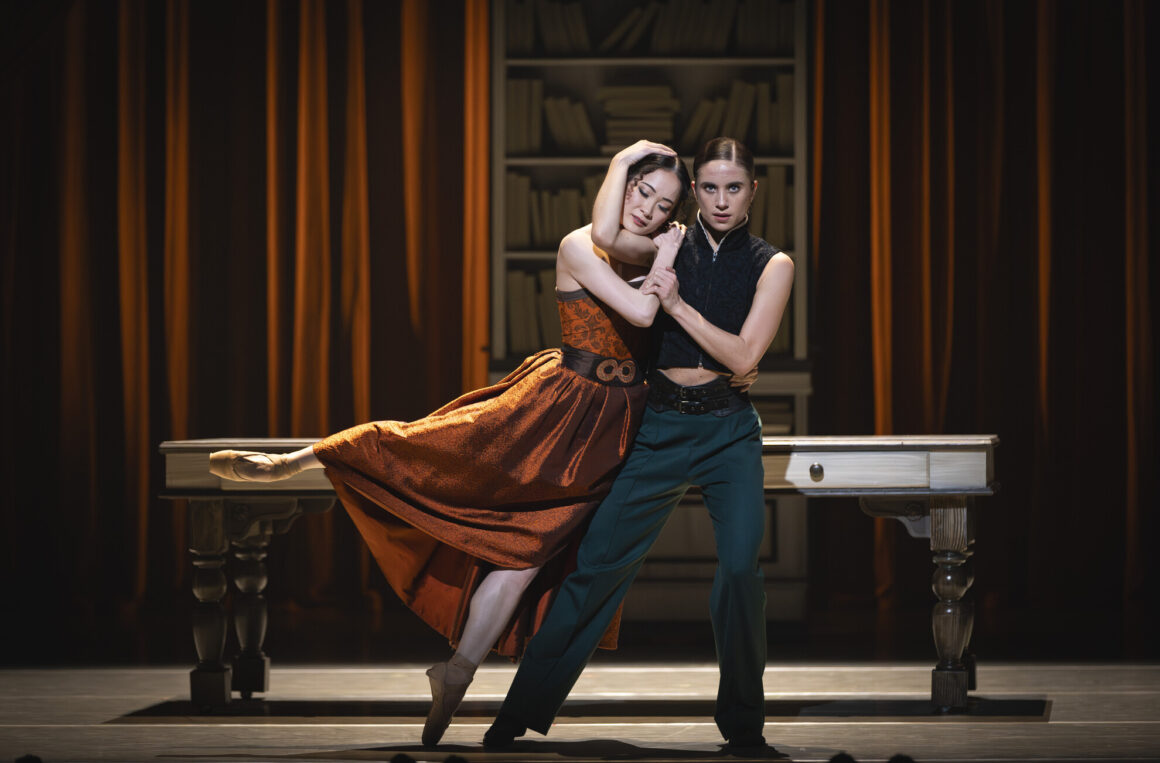
The production’s most exciting achievement is the way it develops this physical vocabulary. The choreography builds a language through small movements such as a quick twitch of the shoulder, a sharp nod of the head, or the subtle flick of a foot. These gestures accumulate into a recognisable system of expression. Rapid, fragmented movements convey tension or anger, while mirrored gestures between dancers suggest intimacy. The effect is remarkably conversational; characters communicate through their dance moves with such clarity that it feels as though dialogue is taking place, despite the absence of spoken words.
Lighting design plays an equally significant role in reinforcing this choreographic language. The repeated use of backlighting makes performers appear as silhouettes on the stage. This aesthetic evokes the tradition of Victorian shadow portraits, a popular and affordable eighteenth- and nineteenth-century alternative to photography. Beyond its historical resonance, the technique serves a deeper thematic purpose. By placing many characters literally in shadow, the production gestures towards the secrecy that surrounded queer relationships in the period.
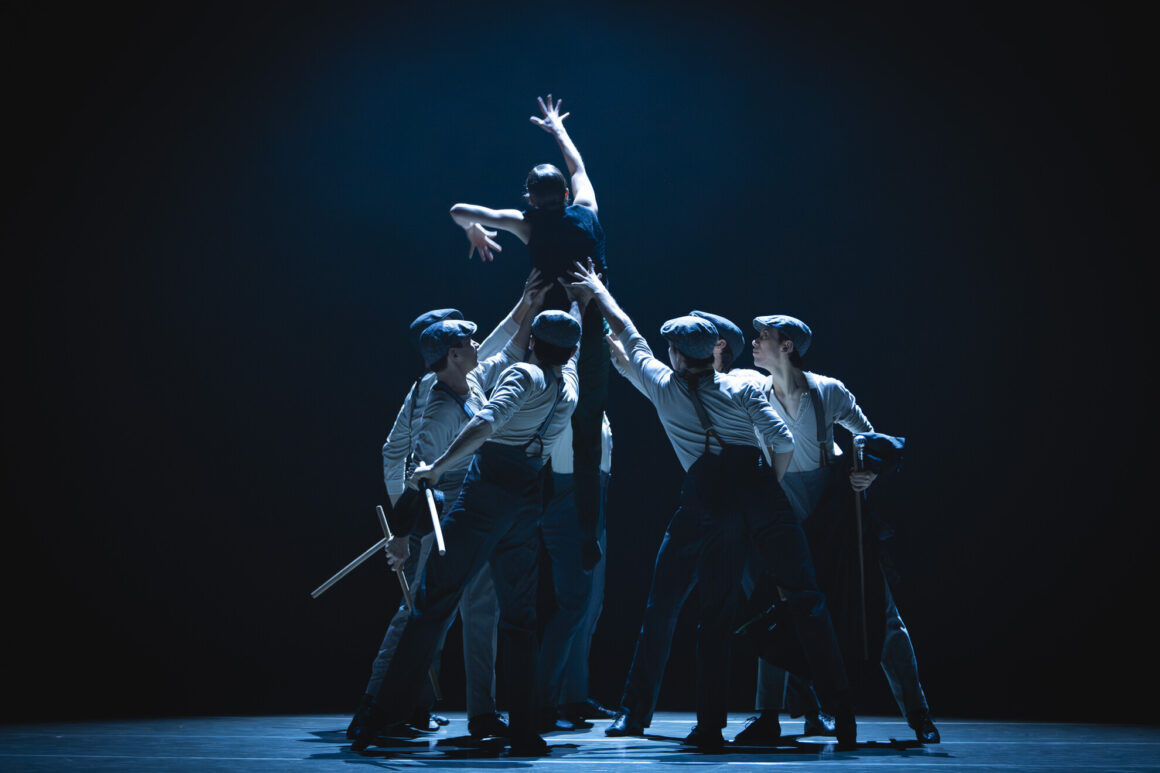
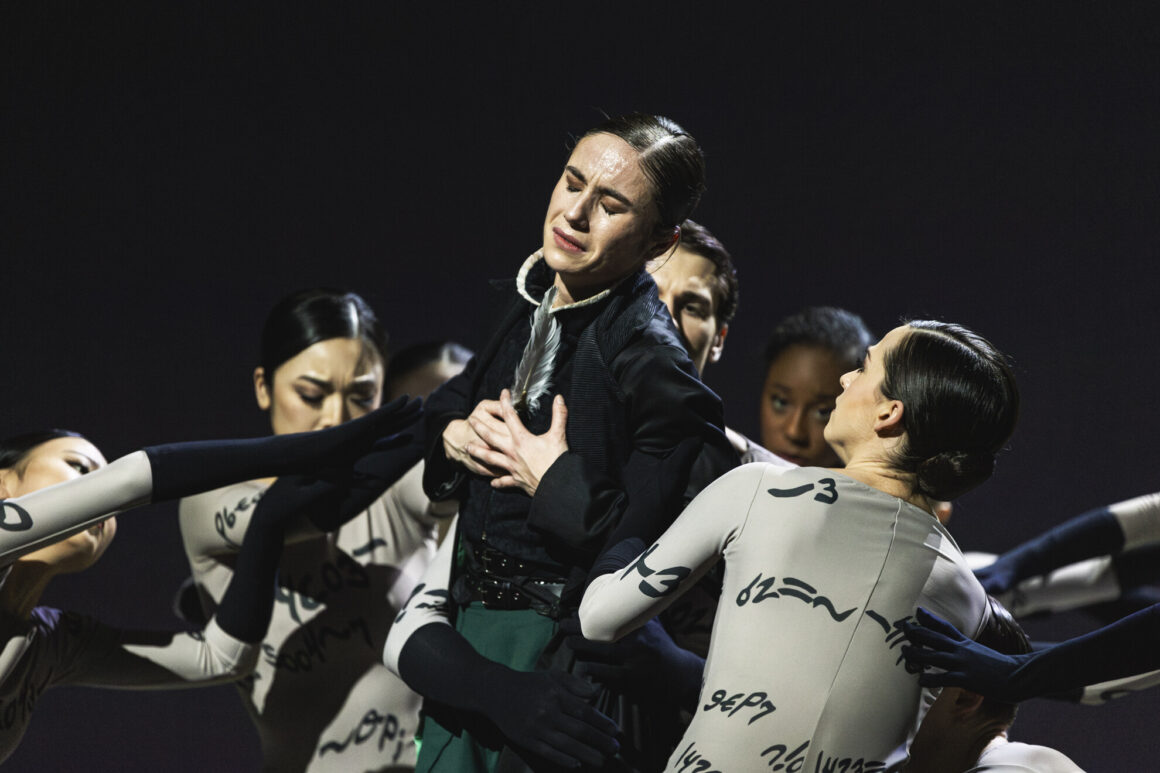
The motif becomes particularly effective in ensemble sequences. Groups of dancers, dressed identically and backlit so their features dissolve into uniform silhouettes, create the impression of a hidden community moving beneath the surface of polite society. Within this visual field, Gentleman Jack stands apart. Her silhouette is distinctive, marking her as an unusually visible and self-assured figure. Yet she is not presented as entirely solitary. Instead, she appears surrounded by others who share aspects of her identity but remain less able to express it openly. The staging thus captures the tension between individuality and community that characterised queer life in the period.
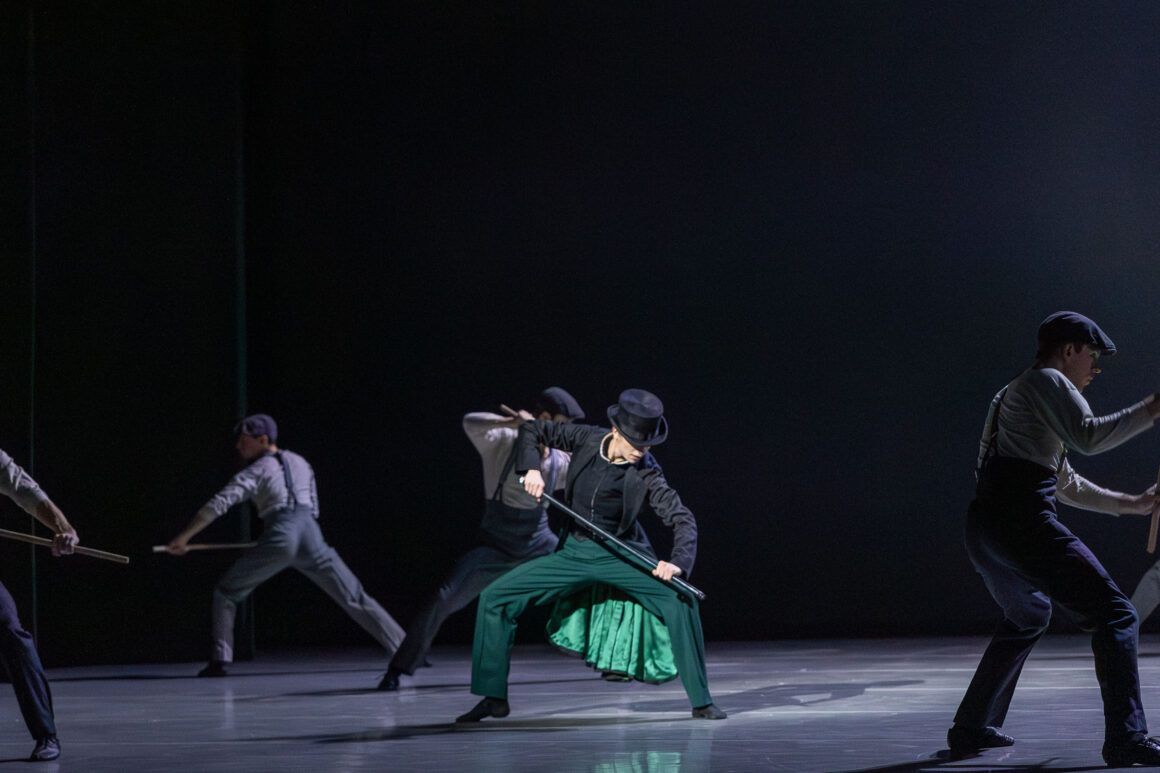
The production is supported well by its orchestra. Rather than drawing on familiar or overused ballet compositions, the music is energetic and modern, lending the performance a sense of freshness that aligns well with the choreography. It sustains the momentum of the piece while supporting the emotional shifts within the narrative.
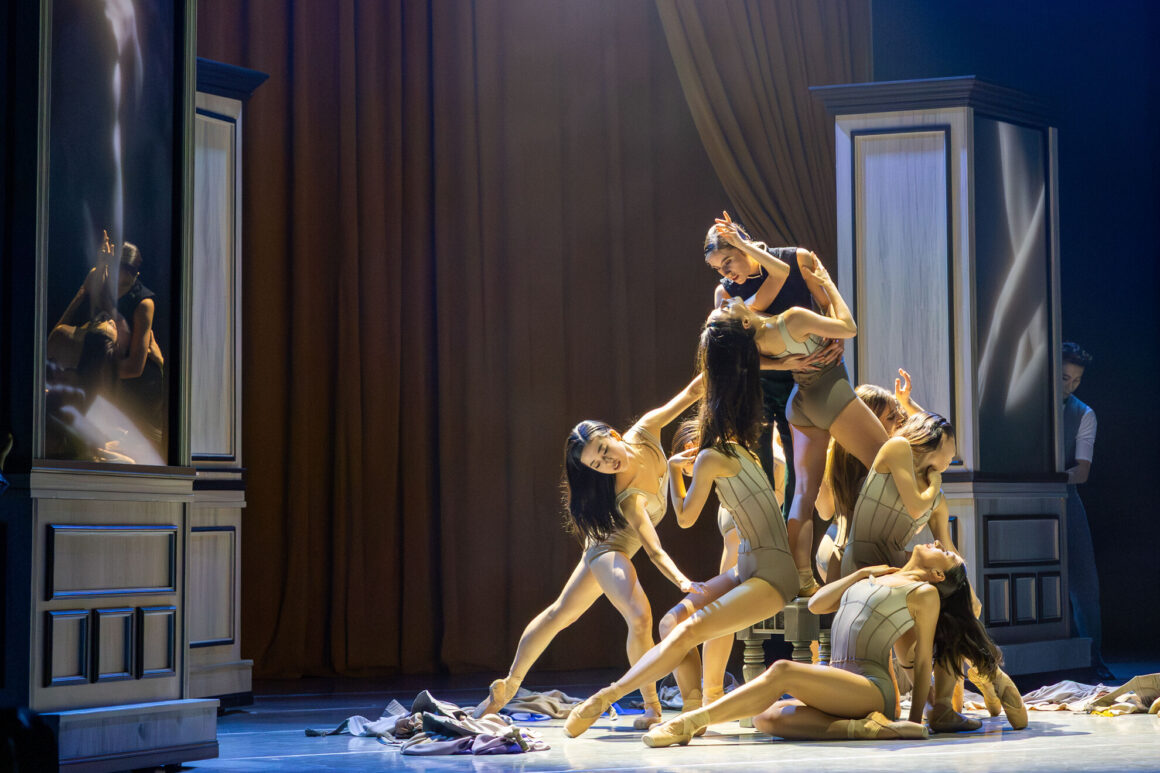
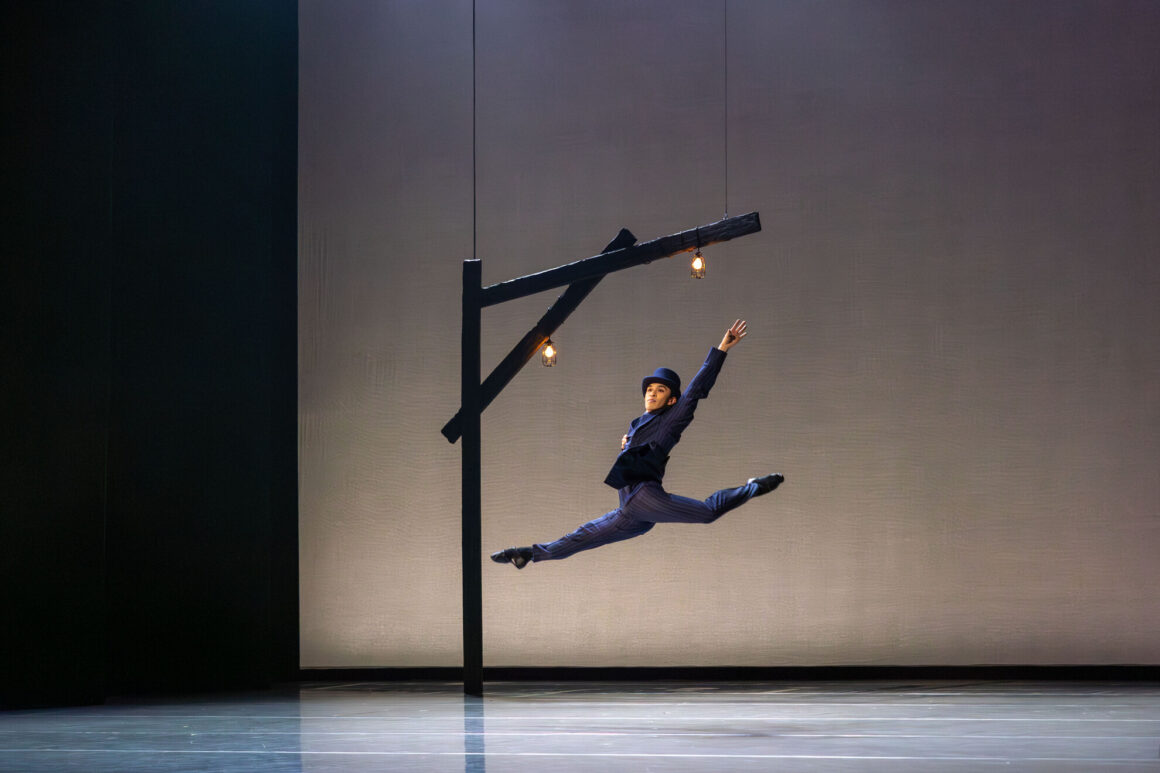
If the production has any issues, it is in its promotional artwork. It depicts Gentleman Jack performing a conventional classical jump, suggestive of a far more traditional ballet than the one I saw. In doing so, it risks misrepresenting a work that is, in fact, inventive and bold. What audiences encounter in the theatre is a contemporary dance that reimagines how historical stories can be told through movement, not a nostalgic revival of classical ballet, as the cover art suggests.
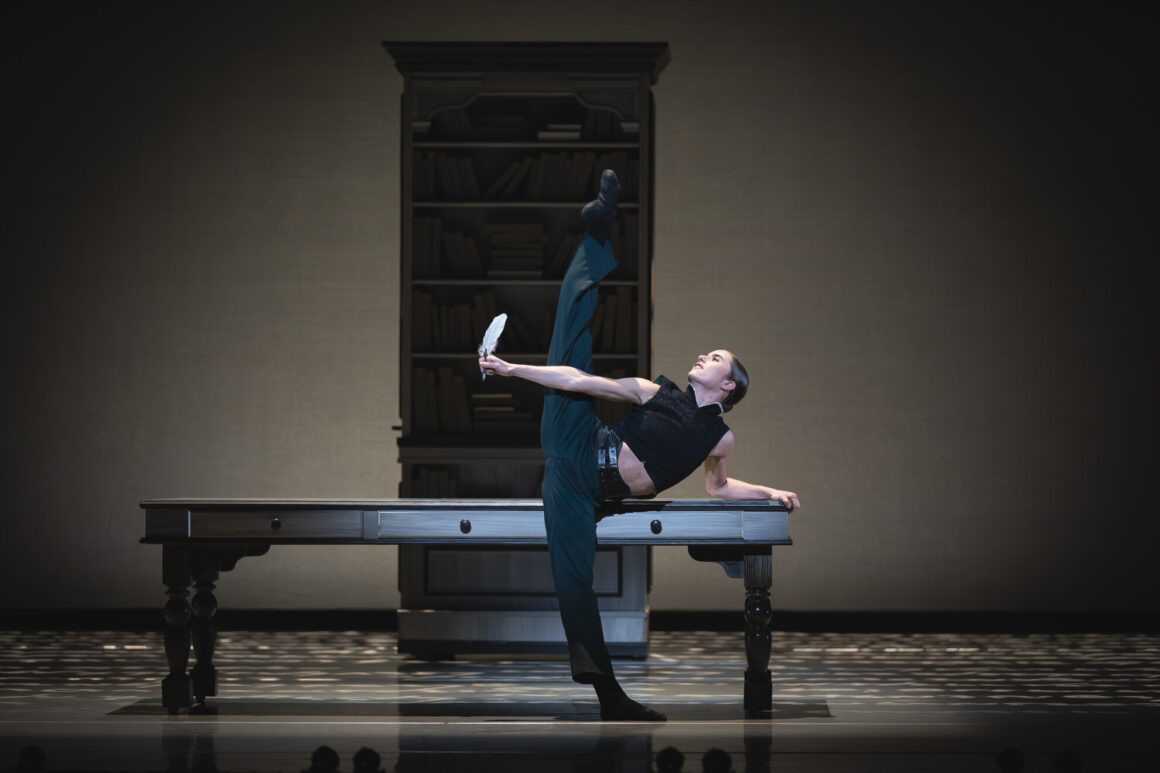
Despite this, the production stands as a thoughtful and visually striking piece of work. Its imaginative use of choreography, lighting and music offers a bold portrait of a remarkable woman navigating love and identity within the constraints of the Regency era. The result is an exciting addition to the canon of Northern Ballet’s programme.
Gentleman Jack is at Leeds Grand Theatre until 14 March. Tickets here.
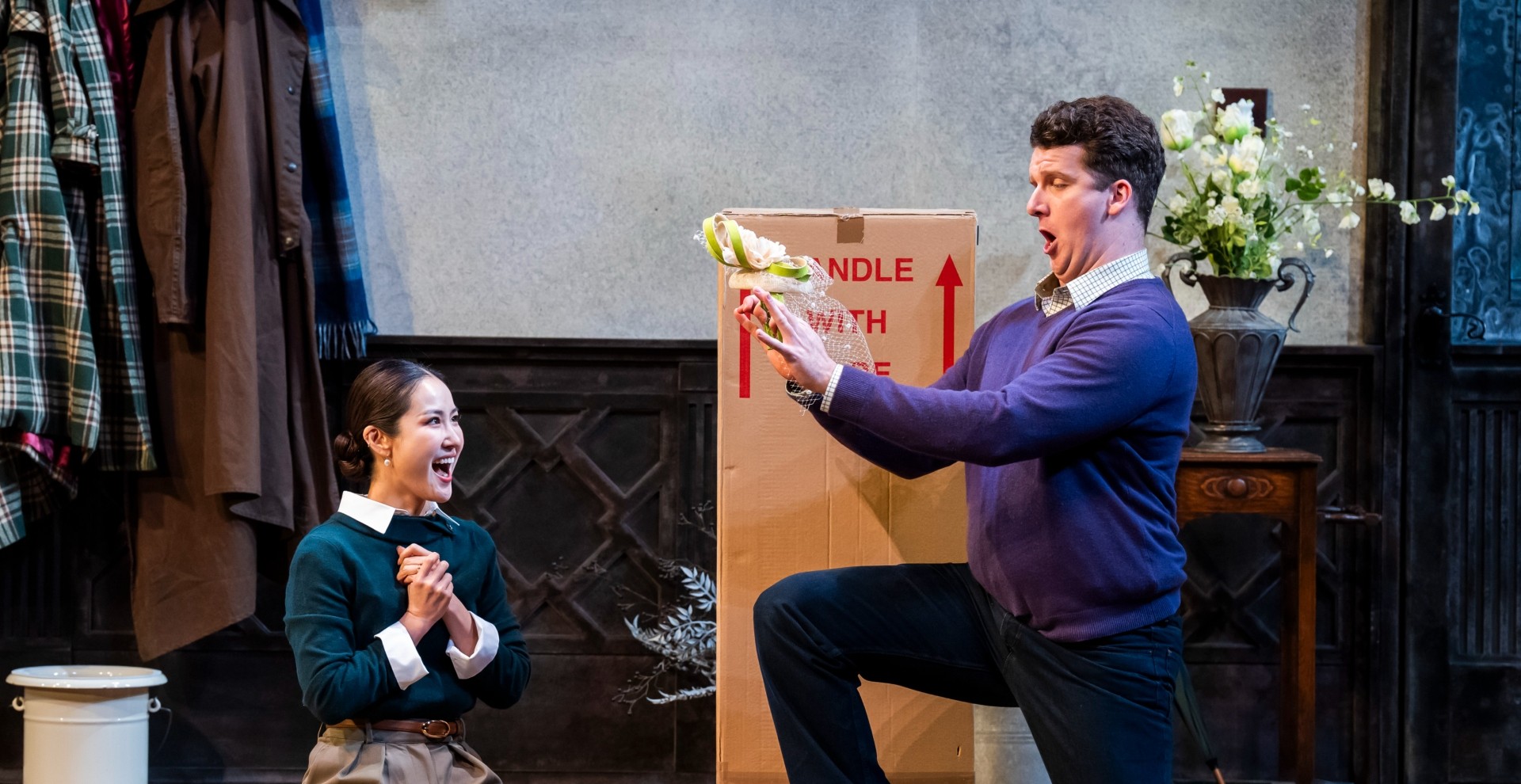
Main image: Gemma Coutts (Gentleman Jack), Rachael Gillespie, George Liang and Alessandra Bramante. Photograph by Emily Nuttall.