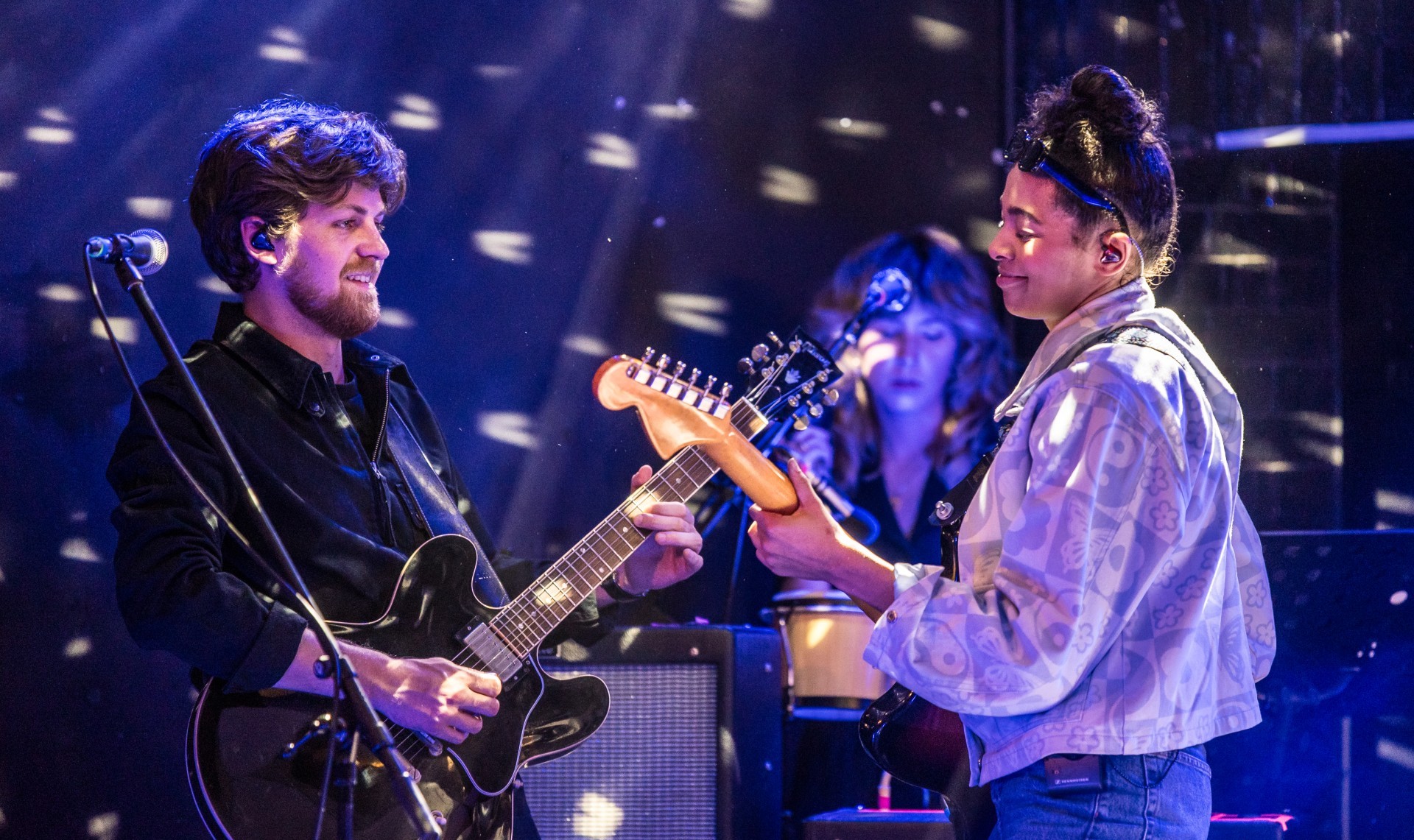
UB40 were the soundtrack of my childhood.
Both my parents were born in Birmingham to immigrant families in the 1970s, growing up during the era that UB40 were forming and becoming and integral part of the City’s musical identity. Their music reminds me of the multicultural City, and seeing them live felt like a celebration of that shared heritage.

Getting to review UB40 was a career highlight for me. Being born in Birmingham myself, their songs immediately took me back to sunny days playing in the garden in the early 2000s with my little sister and listening to my dad’s stereo blasting out Labour of Love, shaping my current love for music and diversity that the band represents.

Although the show was in Leeds, there was a strong sense of Birmingham pride throughout the night. UB40 have always been ambassadors for the City, and their sound still carries the spirit and diversity that made them such a unique success story. The band’s multicultural roots really reflect the character of Birmingham.

Before they sang Home, from the UB45 album, Robin Campbell noted that it was a song written by Matt Doyle, and that it is a song “about how we should welcome immigrants, not turn them away.” The lyrics are particularly poignant – hearing “when you tell me go back home, remember this is the only home I’ve ever known” against visuals of Birmingham on the video wall behind the band. Seeing familiar scenes from Lozells and Soho Road felt like a tribute to the communities that helped shape both the City and UB40’s sound, as these are the kinds of streets that have long served as cultural hubs for local communities.
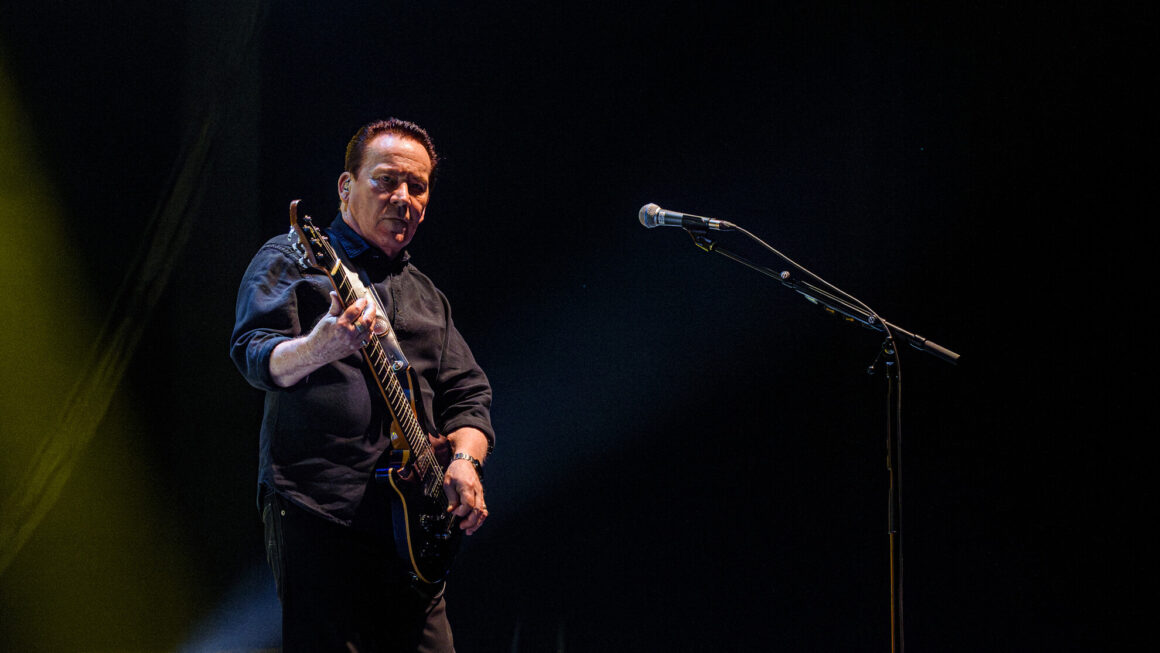
It was a celebration of the Birmingham that UB40 emerged from – a diverse, multicultural City whose identity has been shaped by generations of immigrant families.

UB40 have been around longer than I have been alive, so I expected the audience to reflect the band’s enduring legacy, with many attendees having grown up with their music. What struck me most was how their music continues to connect generations. The same songs my parents listened to decades ago were being sung back by fans of all ages, proving just how timeless UB40’s catalogue remains. There was something special about hearing songs I’d known since childhood performed live. It felt less like discovering a band but ratherembracing nostalgia for a band whose music had been part of my life for as long as I can remember.

Leeds Direct Arena felt like the perfect venue for this kind of performance. Despite the Arena’s size, the venue feels intimate and the sightlines are great – you feel much closer to the stage than you would in a lot of other large venues, which ensures the audience feels connected to the stage wherever they are seated.

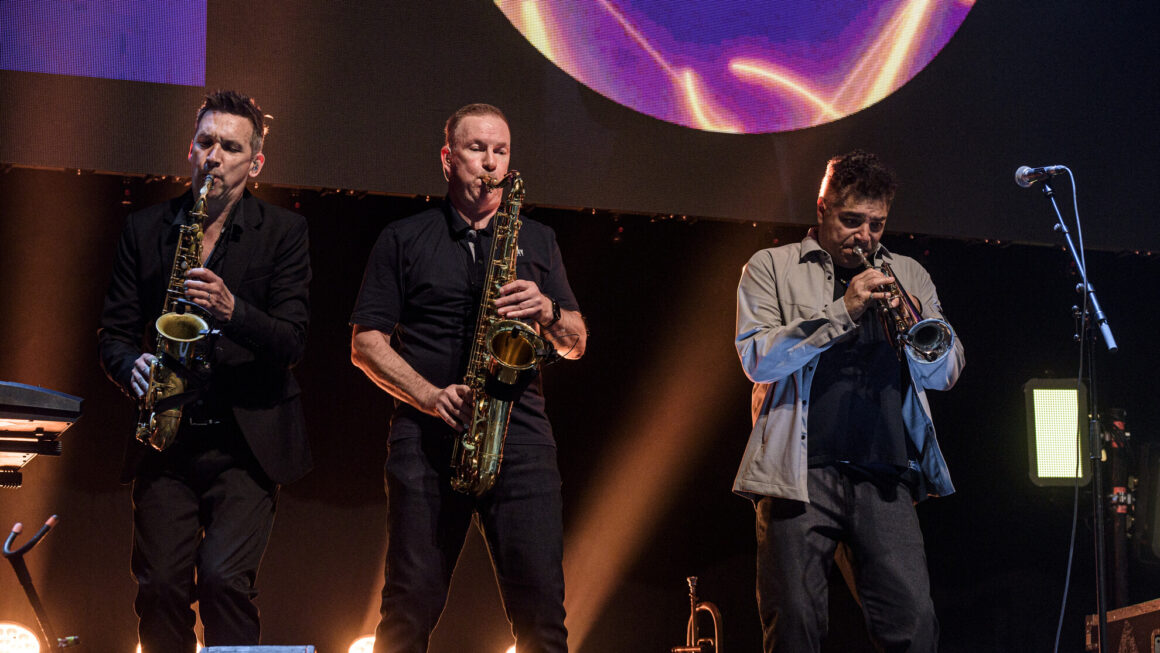
The venue’s acoustics helped bring out the band’s distinctive sound, with the bass, brass and vocals remaining clear throughout the performance. On top of this, the venue staff are helpful and friendly, and entry was smooth and hassle-free, with great navigation around the whole space.

While UB40 are often remembered for hits such as “Red Red Wine“, it’s easy to forget how socially conscious many of their songs are. Their roots as a working-class Birmingham band gave much of their music a sense of purpose alongside the catchy melodies.

UB40’s performance on Saturday was also a reminder that beneath the well-loved hits lies a band with strong working-class roots. Formed in Birmingham during a period of economic hardship, they built a reputation not only on memorable reggae-pop songs but also on music that addressed unemployment, inequality and social issues, giving their catalogue a depth that still resonates today.
Growing up, I perhaps didn’t fully appreciate how unusual and important UB40’s success was. Their music reflected a Birmingham where different cultures mixed, creating something uniquely British while celebrating influences that had arrived with immigrant communities.
Although my family’s story is different from that of the band, there are clear parallels in the Birmingham we share. The City that shaped UB40 was also home to generations of immigrant families building lives, communities and identities of their own, and the rich mix of culture is still so prevalent today.
Photography by Jazz Jennings.