“I don’t want super-shiny finished productions. I want dangerous theatre. I want people to try something artistic because they’ve been given the space to take risks.” – Scott Harrison
Leeds is no stranger to great theatre. From the large-scale productions at venues like Leeds Grand to the wealth of independent companies creating work across the City, there is always something happening. Yet tucked away beside Leeds Playhouse, another exciting theatrical hub is quietly nurturing the next generation of writers, performers and theatre-makers.
This July, Leeds Conservatoire’s Leeds Theatre Festival returns for its biggest year yet, offering audiences the chance to experience more than forty performances, readings, concerts and new works created by emerging artists from across the Conservatoire.
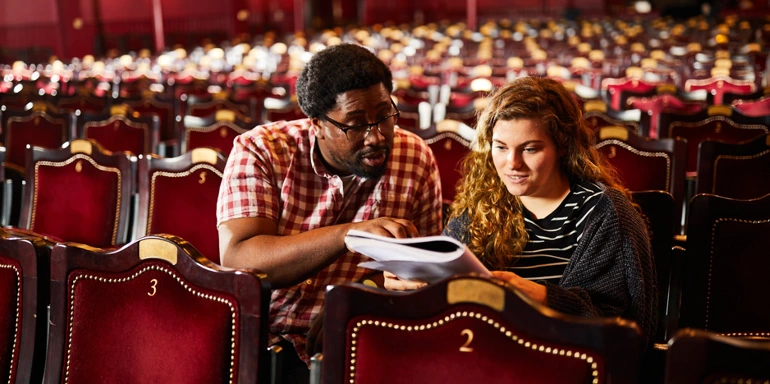
Running from 6–18 July, the Festival is a celebration of fresh ideas, bold storytelling and creative risk-taking. With tickets priced at just £8 per show or £10 for an entire day of performances, it also offers one of the most accessible ways to discover new theatre in the City.
I spoke to Scott Harrison, Postgraduate Co-ordinator for the School of Drama at Leeds Conservatoire, to find out more about the Festival, why it matters and why he believes Leeds could become a major centre for developing new work.
A Festival Born from Creativity
Harrison’s route to Leeds Conservatoire has been anything but conventional. A singer, vocal coach and educator, he has worked internationally across Europe, Asia and the United States, taught alongside Broadway performers in California, worked with Disney in Japan and consulted for theatre organisations around the world. Yet despite that global experience, his passion remains firmly rooted in creating opportunities for emerging artists.
“When I interviewed for this role,” he explains, “the question was really about how we make these courses visible and how we show the work that students are creating.” His answer was simple. “We run a proper theatre festival.”
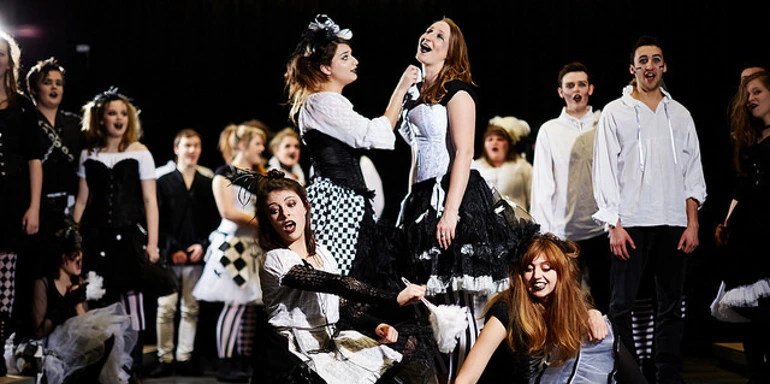
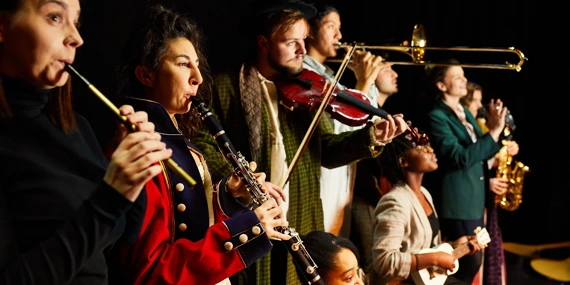
What began as a small internal showcase has rapidly evolved into something far more ambitious. Last year’s Festival featured performances created largely by postgraduate students. This year, the event has expanded dramatically, welcoming contributions from undergraduate students, graduates and professional partner organisations. The result is a programme packed with original work, musical theatre, rehearsed readings, concerts, cabaret performances and experimental productions.
Supporting the Theatre-Makers of Tomorrow
One of the Festival’s defining features is its focus on helping students develop careers rather than simply complete courses. “The modern actor can’t just wait by the phone for their agent to call any more,” Harrison says. “You have to create your own opportunities. You have to make yourself visible. You have to develop your own work.”
That philosophy runs throughout the Festival. Students are encouraged not only to perform but also to write, direct, compose, produce and collaborate. The Festival becomes a testing ground where ideas can be explored in front of audiences and industry professionals. Perhaps most importantly, Harrison sees the Conservatoire as a long-term creative home rather than somewhere students simply pass through. “I really believe in creating a lifelong family of artists,” he says. “Somewhere people can come back to, develop their work and continue collaborating.”
That vision is already bearing fruit. One of last year’s standout successes was Life Behind Bars, a musical written by recent graduates. Originally presented in an earlier form at the Festival, it proved such a hit that the writers have been invited back this year to present a full two-act version in the Conservatoire’s largest performance space. For the creative team, it provides invaluable professional development. For current students, it offers the chance to work alongside recent graduates who are already beginning to forge careers in the industry.
Strong Links with Leeds Playhouse
The Festival also benefits from Leeds Conservatoire’s unique position within the City’s cultural landscape. Quite literally next door to Leeds Playhouse, the Conservatoire enjoys close links with one of the UK’s leading producing theatres. Dramaturgy students study in partnership with the Playhouse, receive masterclasses from artistic staff and regularly engage with professional productions.
Harrison speaks warmly about the support provided by Artistic Director James Brining’s successor Tom Wright and the wider Playhouse team. The relationship has already created opportunities for student work to progress beyond the Conservatoire. One notable example is The Flood, a student-created production inspired by the Hebden Bridge floods, which was subsequently developed further through Leeds Playhouse.
Those success stories demonstrate precisely what the festival hopes to achieve: creating pathways for new ideas to move from the classroom into the wider theatrical world.
Theatre That Takes Risks
Perhaps the most refreshing aspect of Harrison’s vision is his determination to prioritise creativity over commercialism. “I don’t want a polished finished product that’s super shiny,” he says. “I want dangerous productions. I want people to try things because they’re being given the space to try them.”
It’s a philosophy that feels particularly timely. As commercial touring schedules become increasingly dominated by revivals, jukebox musicals and familiar titles, Leeds Theatre Festival offers something different: genuinely new work. The programme includes everything from horror pieces and LGBTQ+ musical theatre to children’s work, contemporary musicals and original plays.
Among the productions Harrison highlights is The Other Frances, a newly commissioned musical theatre comedy described as a feminist, LGBTQ+ story set within a playful meta-theatrical world. “It is wild,” he laughs. “A crazy comedy.”
The Festival also includes Gay Little Love Stories, a musical theatre concert exploring LGBTQ+ themes through song, and a number of horror-inspired works, including The Screaming Circle and Poltergeist. In addition, and continuing their desire to work alongside industry professionals, is a series of new play readings developed in partnership with Red Ladder Theatre Company.
Families haven’t been forgotten either. Productions inspired by Little Red Riding Hood and How the Whale Became and Other Tales ensure younger audiences in our community have opportunities to engage with the festival too.
A Festival for Leeds
Throughout our conversation, one theme emerged repeatedly: accessibility. Harrison is passionate about ensuring opportunities exist for young people from across Leeds, particularly those who may never have considered higher education or careers in the arts. As someone who was the first in his family to attend university, he understands how transformative those opportunities can be. He hopes Leeds Theatre Festival can eventually grow into something that serves the wider City in the same way that Edinburgh Fringe serves Scotland.
“We really feel like we could become the centre point of something much larger,” he says. That doesn’t mean replicating Edinburgh entirely. Like many artists and educators, Harrison worries about rising costs creating barriers for participation in a festival like that, which I am all too aware of myself through my own experience of taking students to perform on the Royal Mile.
Instead, he wants Leeds to offer something different: an affordable, welcoming environment where artists can experiment and audiences can discover work at the earliest stages of development. With tickets costing less than many cinema visits, that ambition already feels well underway.
Why You Should Go
For theatre lovers, Leeds Theatre Festival offers something increasingly rare: the chance to see work before anyone knows what its future might be. Some productions may evolve into fully-fledged professional shows. Others may be stepping stones towards future projects. Some may never be seen again. That’s part of the excitement. You’ll be watching artists take creative risks, testing ideas and sharing stories they genuinely care about.
As Harrison puts it, this isn’t about creating theatre simply to put “bums on seats”; it’s about creating space for artists to discover what is possible. In a city as creatively vibrant as Leeds, that feels like something worth celebrating.
Leeds Theatre Festival: ‘Bold Voices. Brave Work. A Festival Built to Last.’
Leeds Conservatoire
6–18 July 2026
£8 per show or £10 day ticket
For the full programme and booking information, visit here.
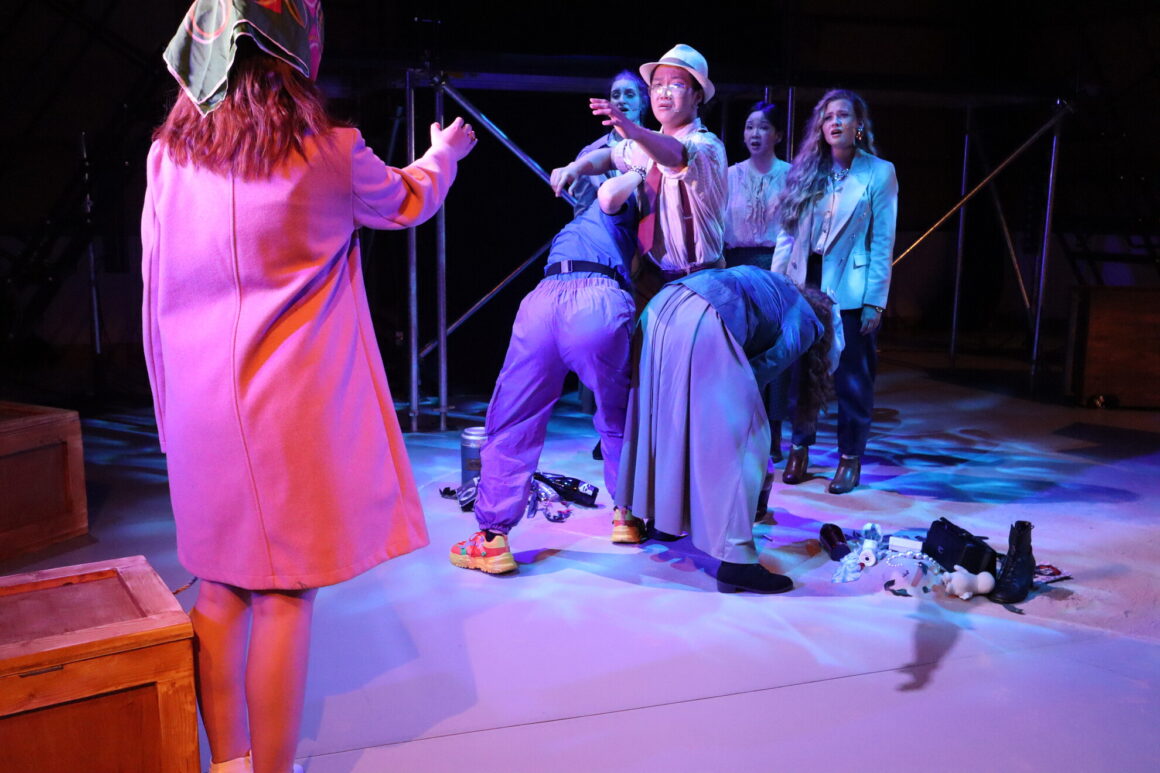
Main image: From the 2025 production of Twenty Bridges.