
Having only seen one opera before – Rigoletto at the Sydney Opera House – it is fair to say that I am an opera newbie with a skewed experience of this art form.
As far as expectations go, I had close to none, walking into Leeds Grand Theatre for the opening night of Opera North’s production of The Magic Flute, with the anticipation of hearing the emblematic Queen of the Night aria, but clueless about the plot.

and Hazel Croft as Third Lady
As I took my seat shortly before the start and perused the synopsis, I instantly regretted not doing my customary preliminary research. My companion and I felt cognitively overwhelmed by what seemed to be a complicated plot and the numerous unfamiliar characters. This feeling was amplified during the silently acted prologue that introduced the audience to a little girl playing in her bedroom before bedtime against the backdrop of a grown-ups’ dinner party next door. The scene culminated with a parental dispute, which resolved with the girl’s father rejoining his guests, while the mother packed her suitcase, kissed her daughter goodbye and demonstratively left.

Charlie Drummond as First Lady
After the girl falls asleep, the hero, Prince Tamino, takes centre stage. Once the girl steps into the background to observe the action, director James Brining’s vision to present the story through a child’s imagination, in a dream, crystalises.
As key characters were introduced in quick succession and the plot started to unfold, the feeling of inadequacy and my concerns about following the plot and character arcs quickly melted into thin air. I was utterly enthralled by the enchanting world of The Magic Flute, born out of the synergy between Mozart’s iconic music and Schikaneder’s witty libretto.
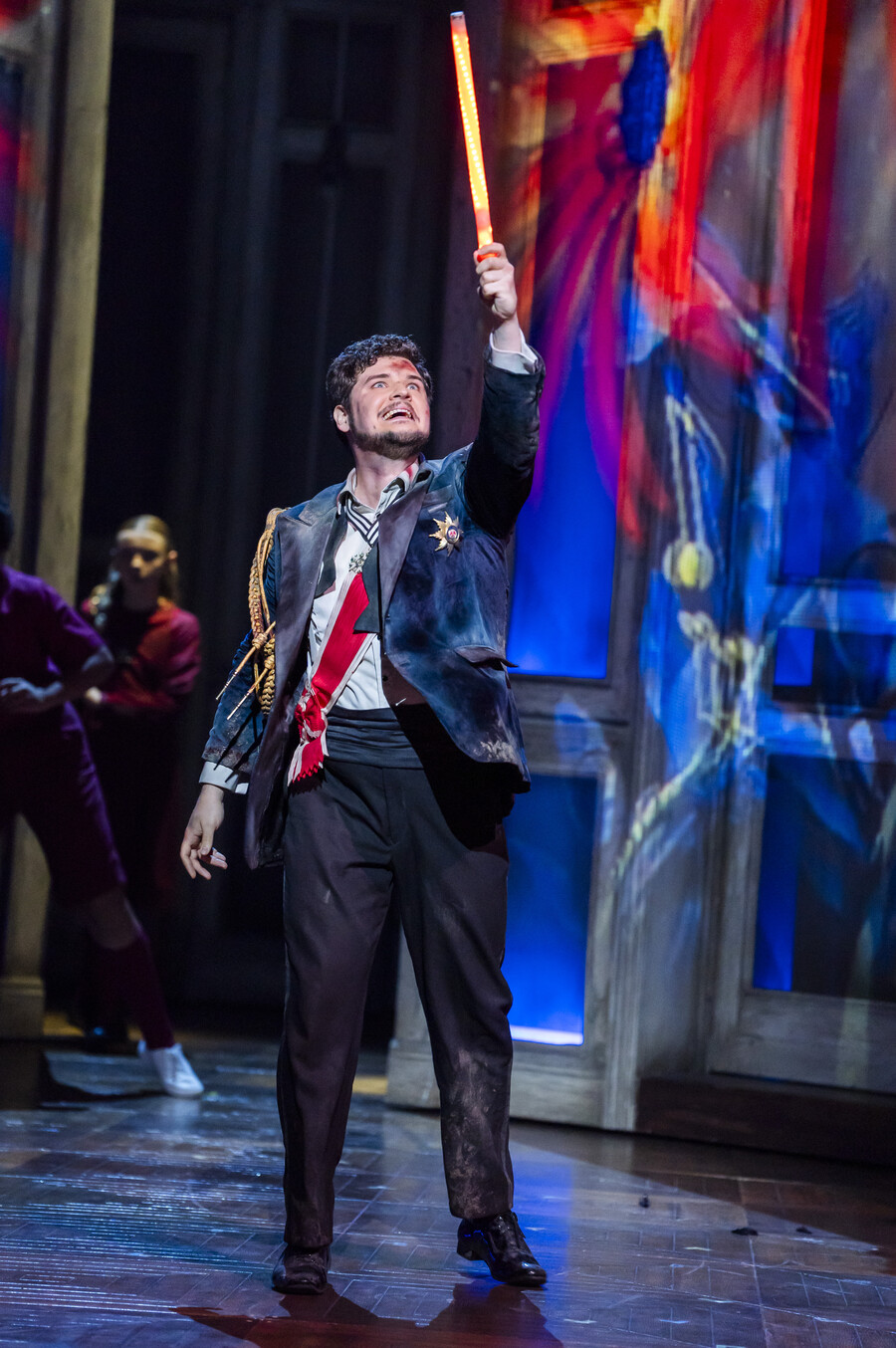
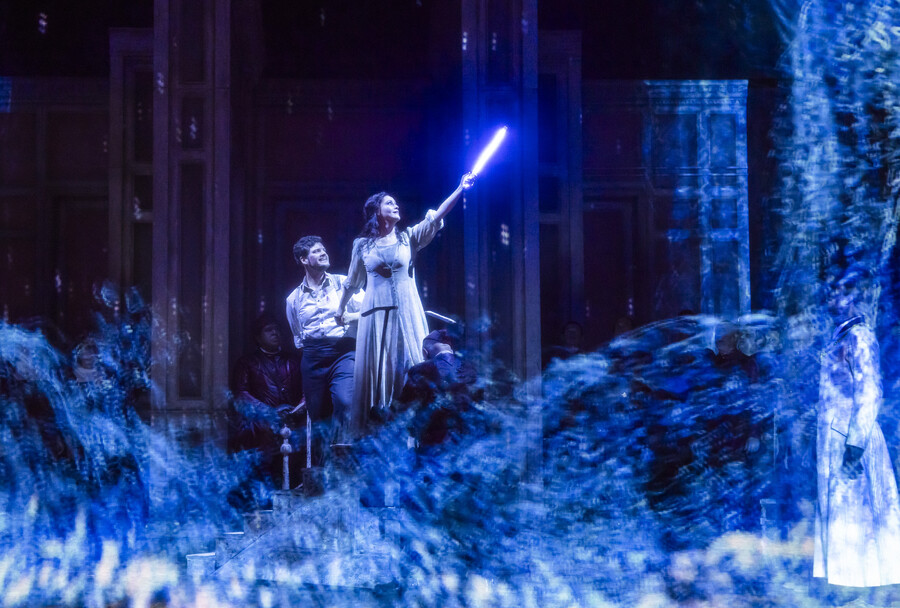
Chased by a monstrous serpent, Prince Tamino proves unequal to the task of defeating the beast and cries for help before falling unconscious. The Three (lightsabre-wielding) Ladies enter the scene with a bang, slay the beast in style and ultimately save the prince in distress! Their quarrel over who stays to watch over the charming prince has to be one of my favourite moments of the night, as the Ladies (Charlie Drummond, Katie Sharpe and Hazel Croft) demonstrate not only impressive vocals but also remarkable comedic chops.

Drummond as First Lady and Egor Zhuravskii as Tamino
Failing to resolve their dispute even after Tamino wakes andunderstandably tries to hide, the Ladies change tack and show Tamino an image of Pamina – the Queen of Night’s daughter (held captive by the Queen’s arch enemy Sarastro). Tamino is instantly smitten, and it doesn’t take much convincing to recruit him to go on a mission to save Pamina.
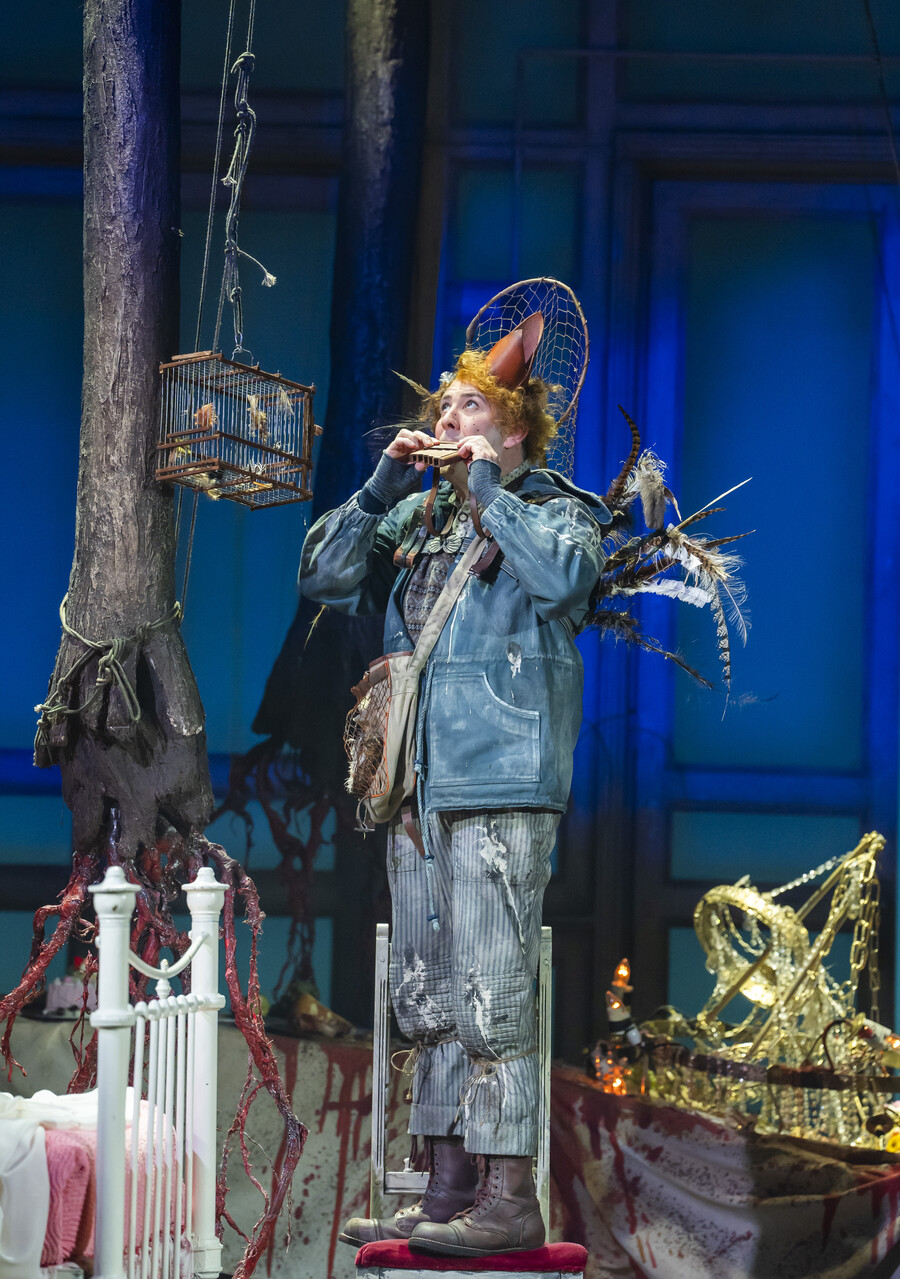
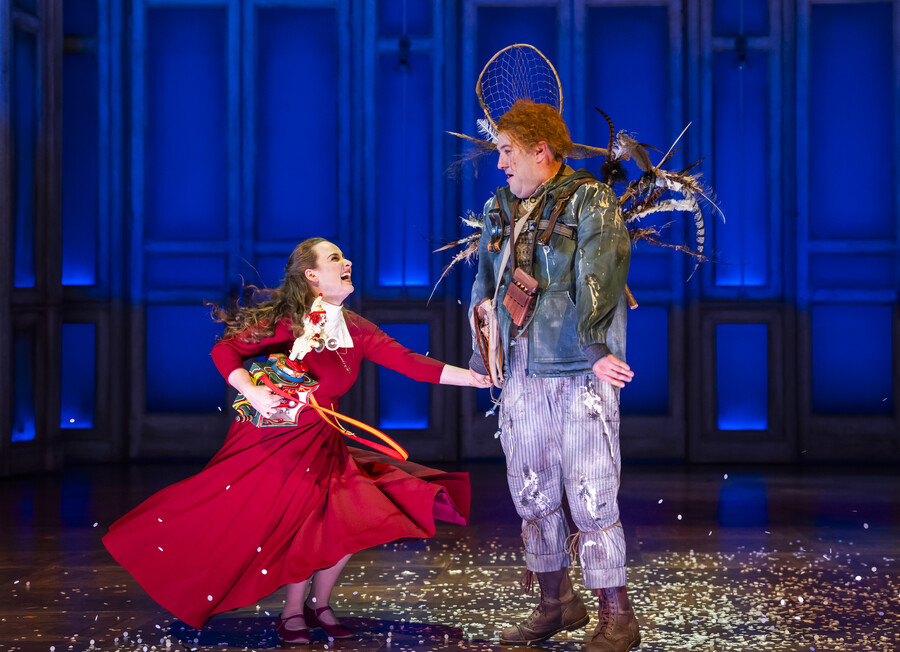
On his quest, the hero is joined by the bird-catcher Papageno – a relatable but hardly courageous or reliable sidekick who begrudgingly agrees to accompany Tamino on his journey with hopes of finding the one’ maiden ‘made for him.’ And so, the journey into the unknown begins.
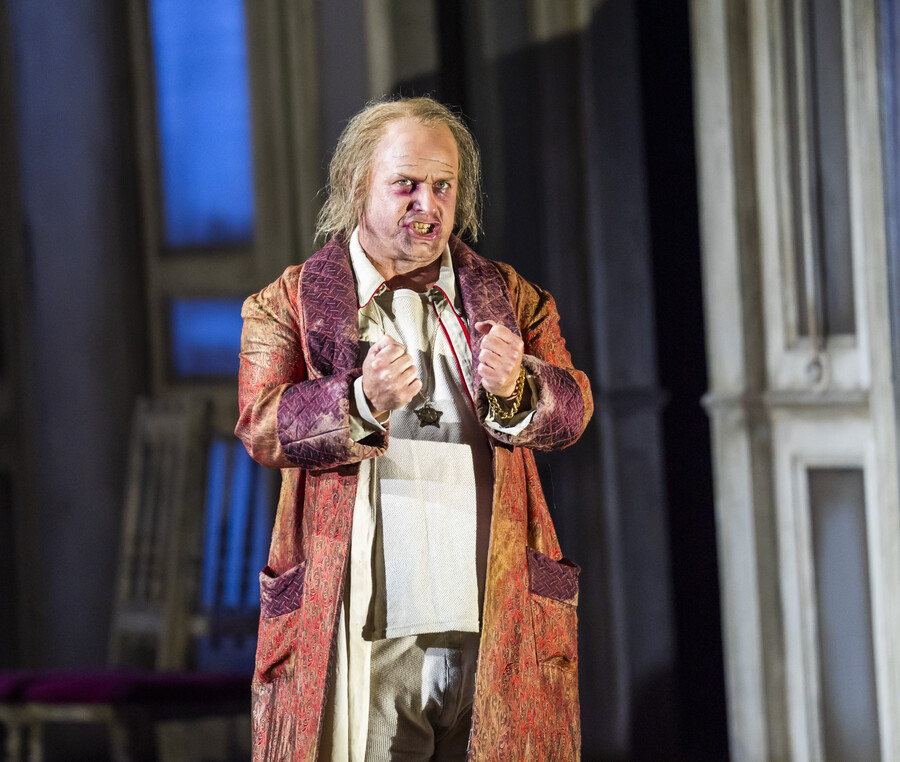
The story takes a turn when Tamino reaches Sarastro’s realm, where the dignified Speaker (Andri Björn Róbertsson) makes him question his perception of good and evil with claims the Queen of the Night had misled him to believe Sarastro is evil incarnate. Arguably modelled on the Masonic movement that both Mozart and Schikaneder were a part of, Sarastro’s brotherhood is shrouded in secrecy, while membership is contingent upon the passing of dangerous trials that both Tamino and Papageno undergo (with varying degrees of success).
Underneath the surface, the opera’s philosophical underpinnings can be traced back to the Enlightenment (a 17 /18 th century European intellectual movement) and its ideals, embodied in Tamino’s quest for knowledge and truth – a literal and symbolic journey from darkness to light at the heart of the opera, at the end of which the hero reaches a state of enlightenment.
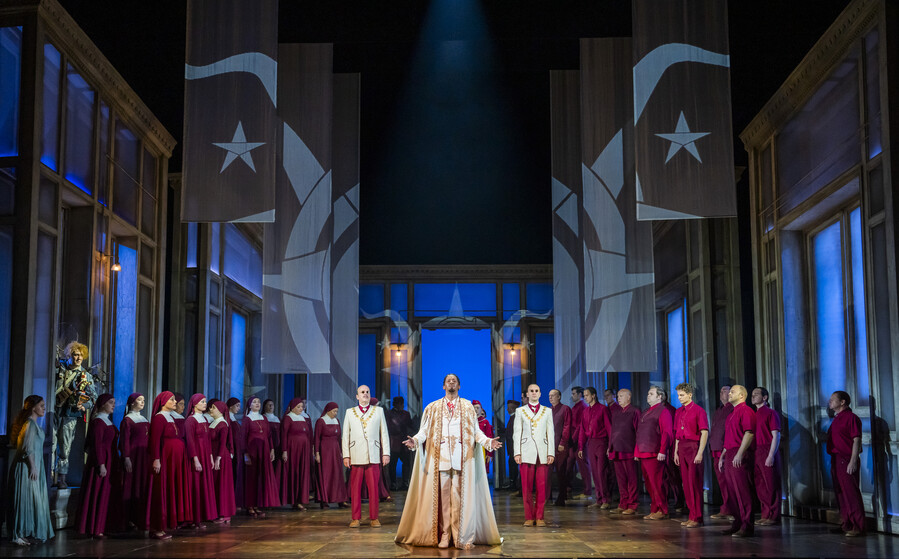
Priest, Msimelelo Mbali as Sarastro and Tom Smith as First Priest with members of The
Magic Flute cast and Chorus of Opera North
As the Opera North’s brochure helpfully discloses, masonry was outlawed (and thus controversial) in Vienna at the time of the opera’s creation. This explains why the second act feels like an attempt to set the record straight by altering uneducated false perceptions of the Sarastro’s secret community, establishing its righteousness and core values of charity, tolerance, humanity and fraternity that the masons share with the Enlightenment movement. This is achieved through a series of oppositions upon which the opera is built narratively, visually and musically – day / night, man/woman, the Queen of the Night / Sarastro (and their respective arias). Relying on oppositions and dualities to portray the brotherhood as a force for good comes at the cost of a somewhat unflattering portrayal of women (with the notable exception of Pamina) as distracting, erratic, irrational and even evil (the Queen of the Night). This, however, is hardly surprising for an opera that premiered in 1791!
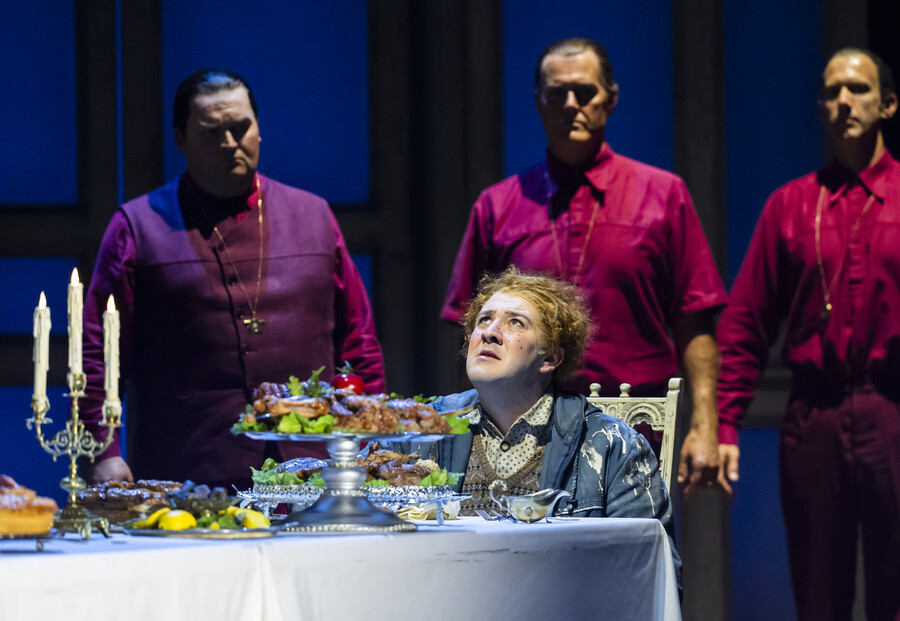
The night was marked by memorable performances by the leads Egor Zhuravski as Tamino and Claire Lees as Pamina, who not only shine vocally in their respective roles but also make a compelling power couple on stage.
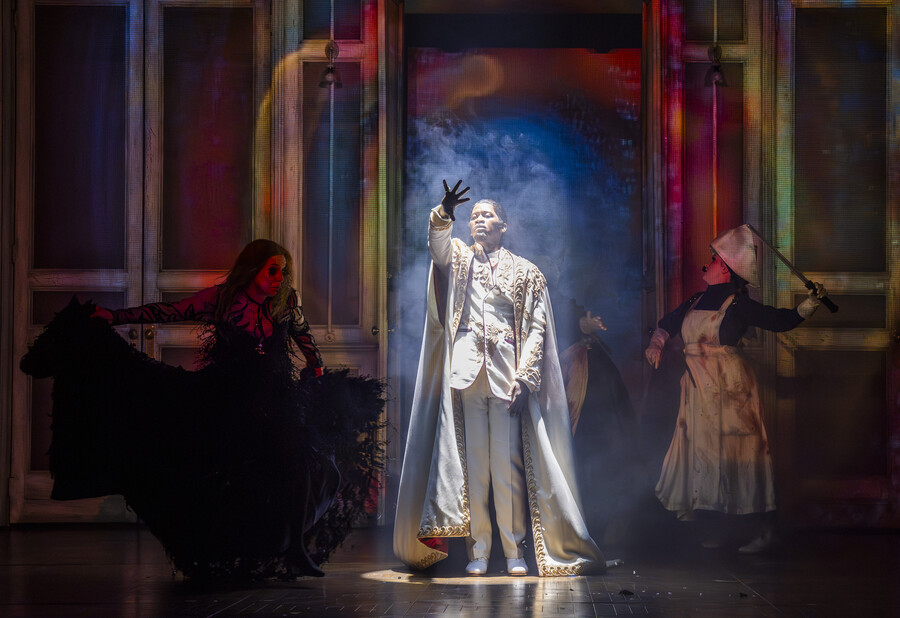
The Queen of the Night’s Act Two aria, performed by Anna Dennis gave me goosebumps, as she threatened to disown her daughter should she fail to kill Sarastro. Misimelelo Mbali’s imposing highbrow singing descending to the lows imbued the character of Sarastro with an air of mysteriousness appropriate for the spiritual leader of a secret brotherhood, while Colin Judson‘s commitment to making Sarastro’s creepy servant Monostatos utterly despicable earned him a well-deserved mix of applause and boos.
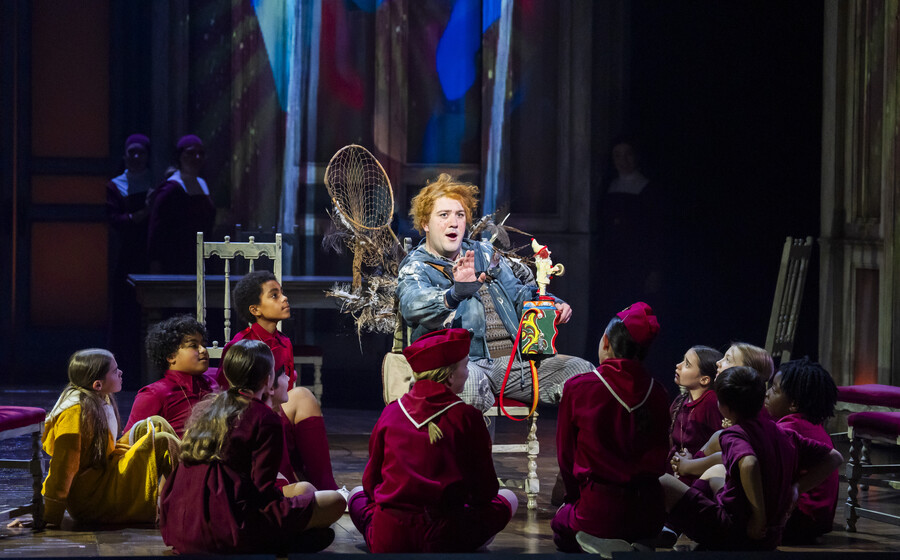
Emyr Wyn Jones brought fantastic comic talent, comedic timing and distinctive physicality to the ‘everyman’ character of Papageno, making every scene he was in a delight to watch. Pasquale Orchard deserves a special shoutout for her charming portrayal of Papageno’s perfect match, Papagena. The pair’s ecstatic comic love duet was funny and endearing in equal measure.
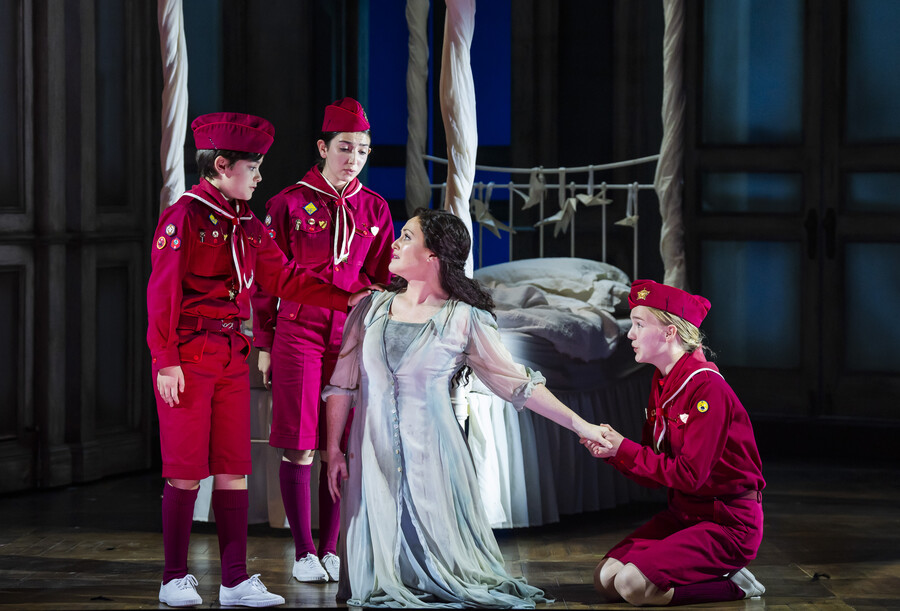
The imaginative costumes, props (the lightsabres are a stroke of genius!) and the intricate set designs by Colin Richmond, the spectacular lighting (Chris Davey) and video designs (Douglas O’Connell) that created striking on-stage special effects through projections bring the magic of the story to life and make Opera North’s Magic Flute a must-see visual spectacle.
The orchestra and its conductor Christoph Koncz fully deserved the applause in the end for the seamless performance of Mozart’s masterpiece, as does the company for employing their technicians and musicians on a full-time basis!
Opera North’s Magic Flute completely changed my perception of what an opera is and can do. The combination of singing and dialogue (Singspiel or sung play), like a musical minus the mics and plus the live orchestra, and the solid dose of humour, were unexpected but incredibly refreshing and entertaining, with the potential to appeal to a wide audience.
The Magic Flute is performed in English, with English side-titles, making it accessible for most. Understanding of the deeper philosophical themes that The Magic Flute explores or any prior knowledge of the plot, as tested by myself, are not prerequisites to enjoy the night’s entertainment. The Magic Flute has inspired my new-found appreciation for opera, and I will soon be back to the theatre to see Opera North’s next production.
Running time: Approximately 2 hours 45 minutes, including one interval
Conductor Christoph Koncz, Director James Brining, Set and Costume Designer Colin Richmond, Lighting Designer Chris Davey, Video Designer Douglas O’Connell, Choreographer Tim Claydon
Further performances Leeds Grand Theatre
5 October at 1430
1900 on 11 October 2024
1900 on 12, 13, 15 and 22 February 2025.
Tickets here.
Photography by Tristram Kenton . Main image: Anna Dennis as the Queen of the Night with Egor Zhuravskii as Tamino


