Adapted by Helen Edmundson from the novel by Andrea Levy and now directed by Matthew Xia, Small Island lays dreams and disappointments side by side, culminating into a breathtaking and masterful saga which both confronts and entertains.
Act One is one of upheaval. An open doorway presides over the set as the only constant. Screens above the stage fade and flicker with colour throughout; a hurricane in Jamaica, World War II in Europe and Jamaica’s fight for independence all show the same: grey.
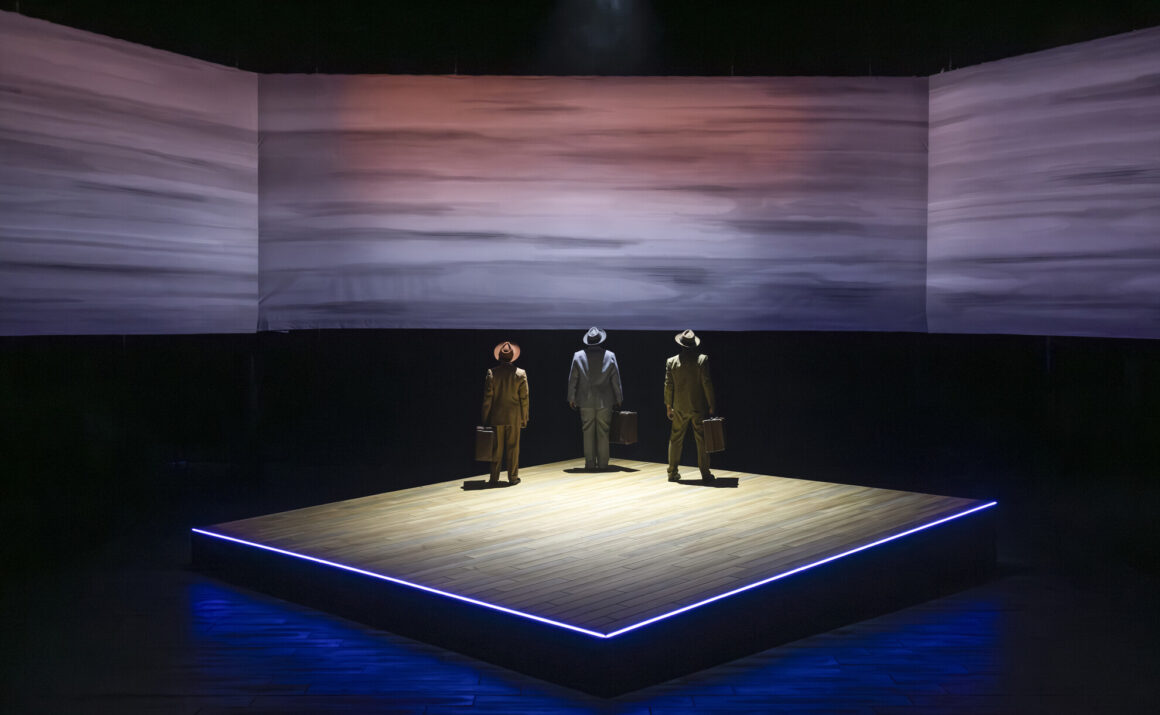
In their wake, Michael Roberts (played by Rhys Stephenson), Bernard Bligh (played by Mark Arends) and Gilbert Joseph (played by Daniel Ward) each leave their home town.
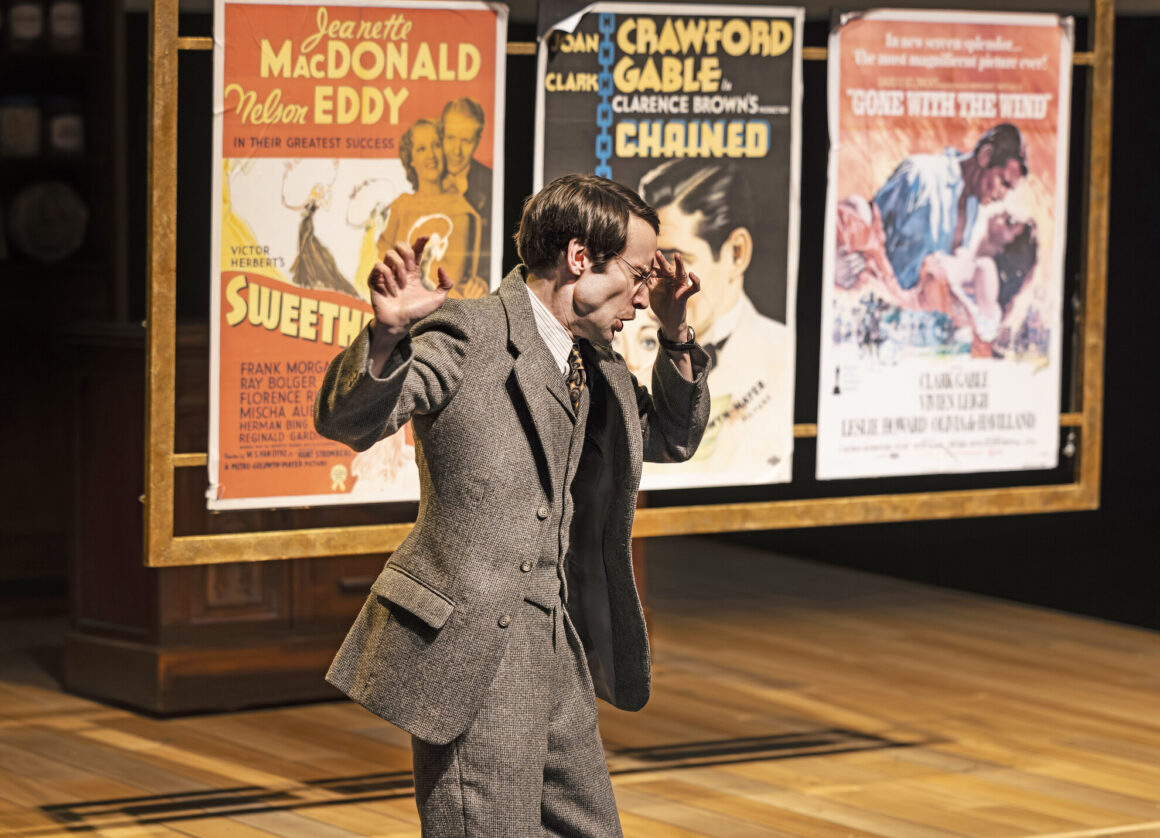
It is through this subtle and yet consistent paralleling of characters’ lives that the play maintains its focus and its humanity.
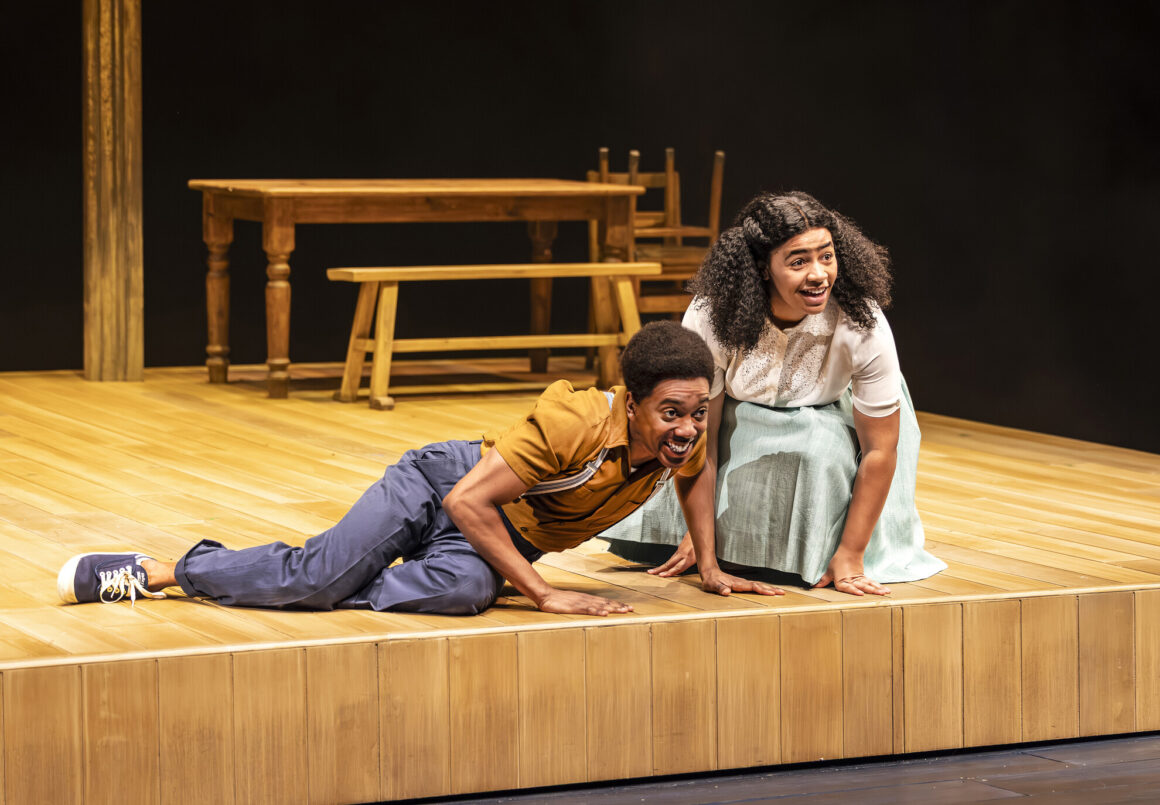
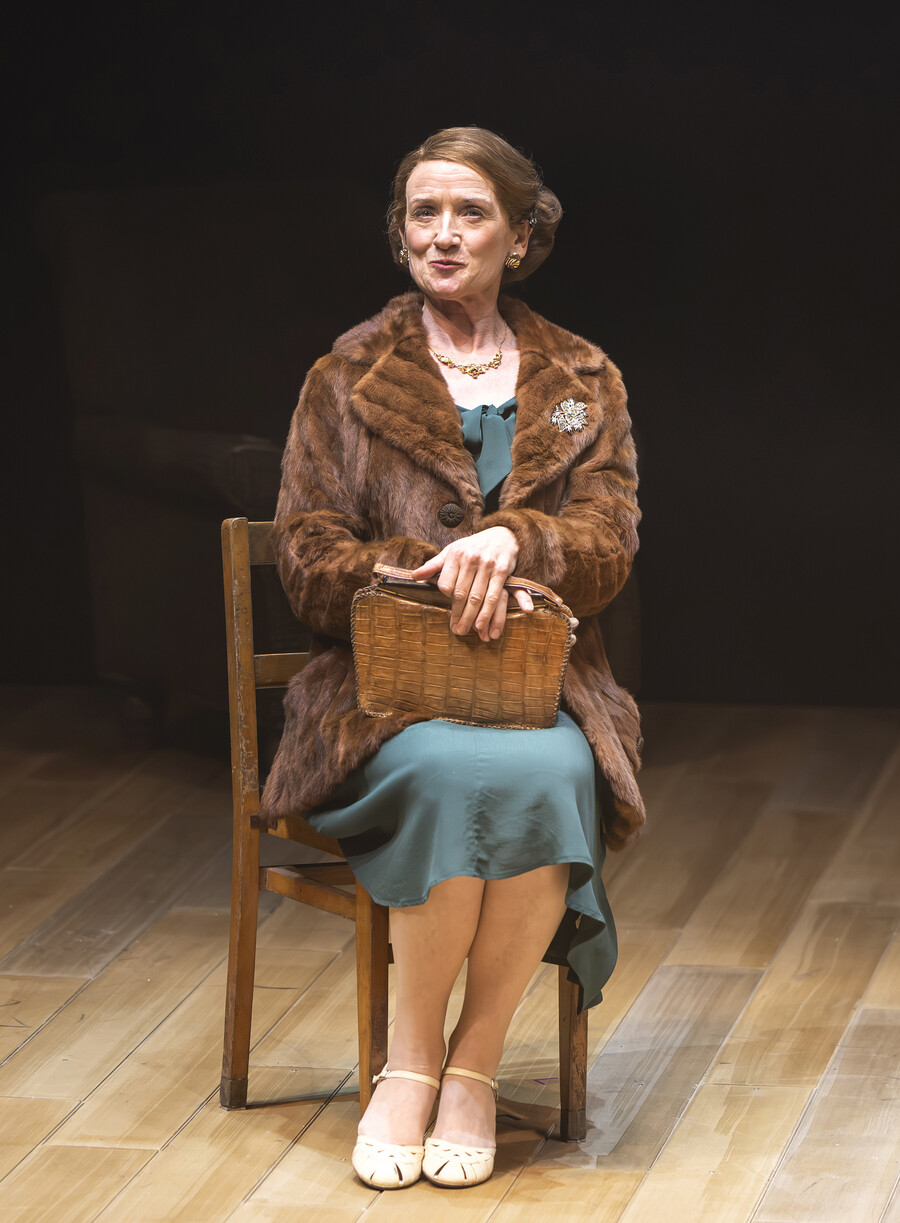
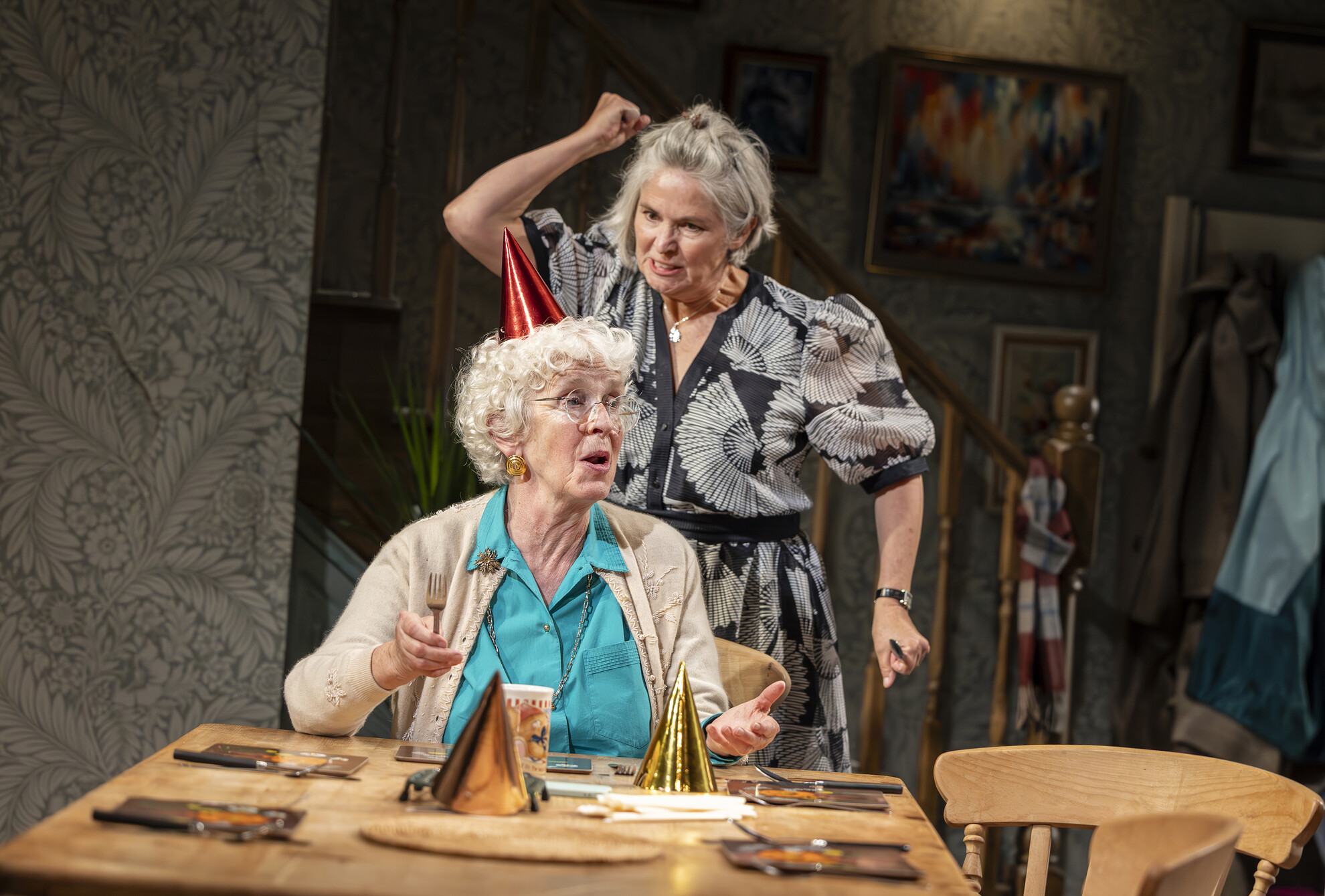
Both Hortense Joseph from Kingston (played by Anna Crichlow) and Queenie Bligh from Lincolnshire (played by Bronté Barbé) are sent to live with an Aunt. Both become assistants of a kind. Both enter loveless marriages for strategic reasons; where chaos offers escape for men, it is marriage the women must rely on.
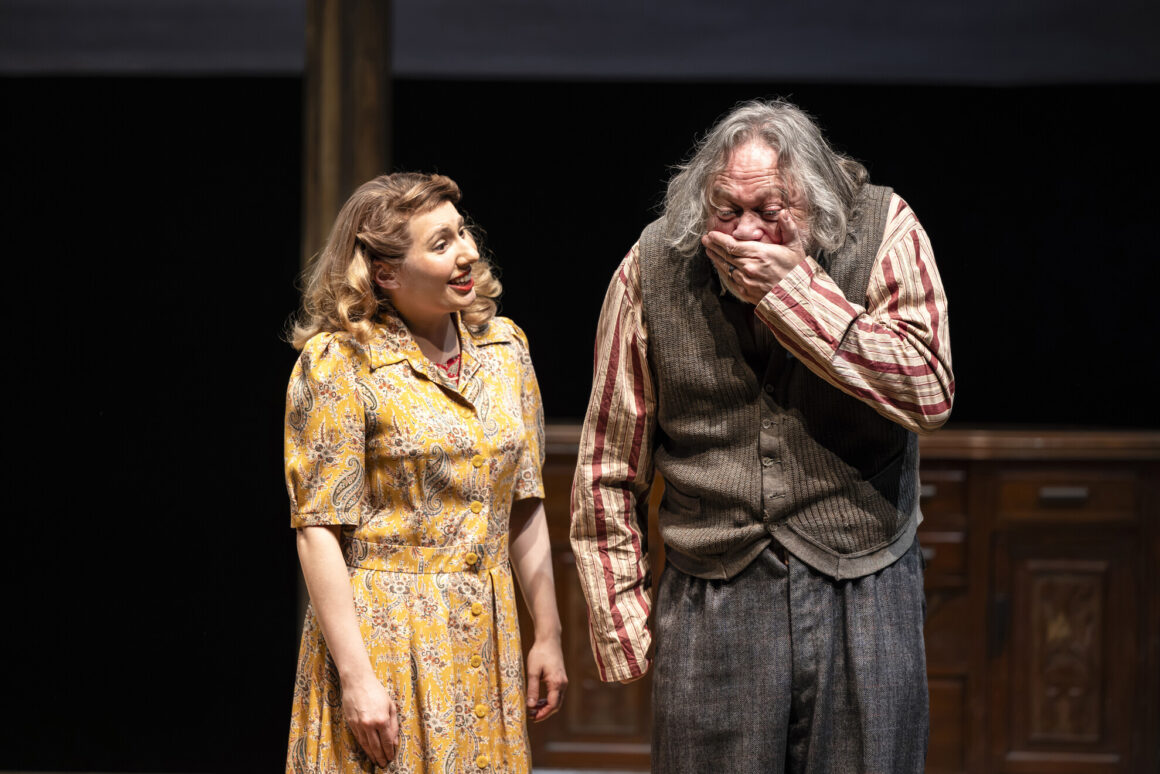
Act Two is one of tightening tension. The set itself twists round, revealing that two small islands have
conjoined into one small house. Hortense and Gilbert Joseph are on one side of the rotating set, Bernard and Queenie Bligh on the other.
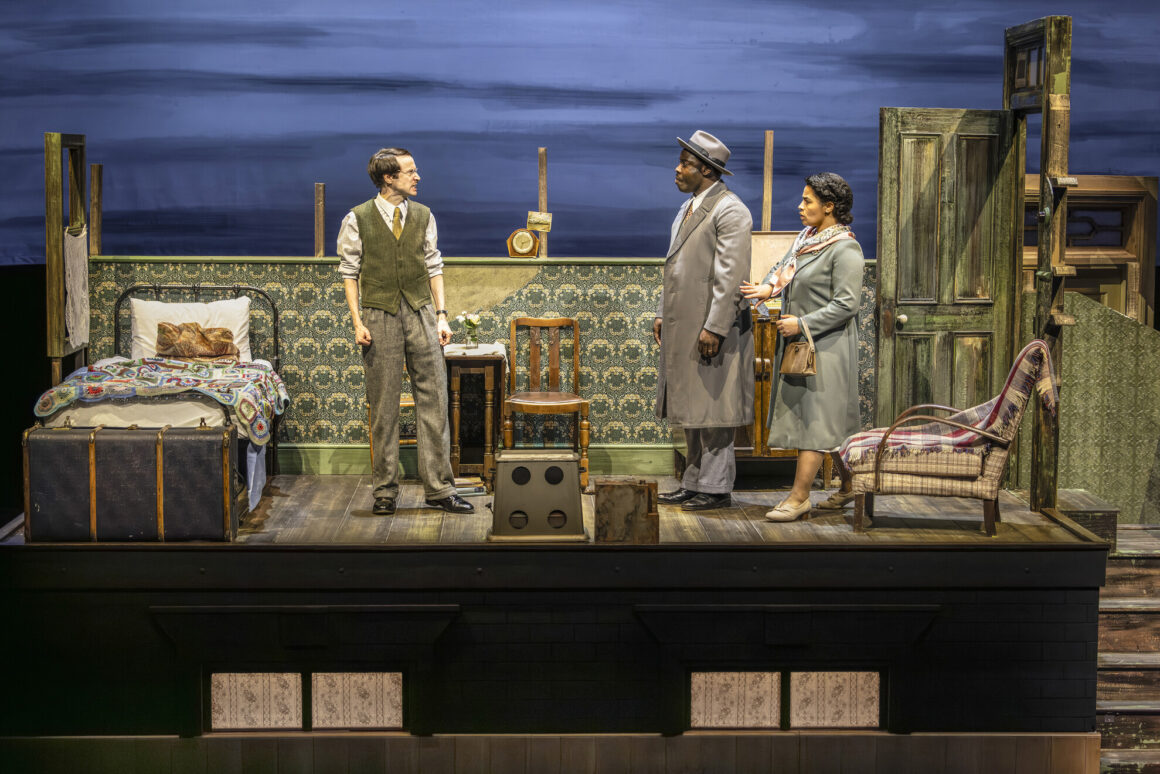
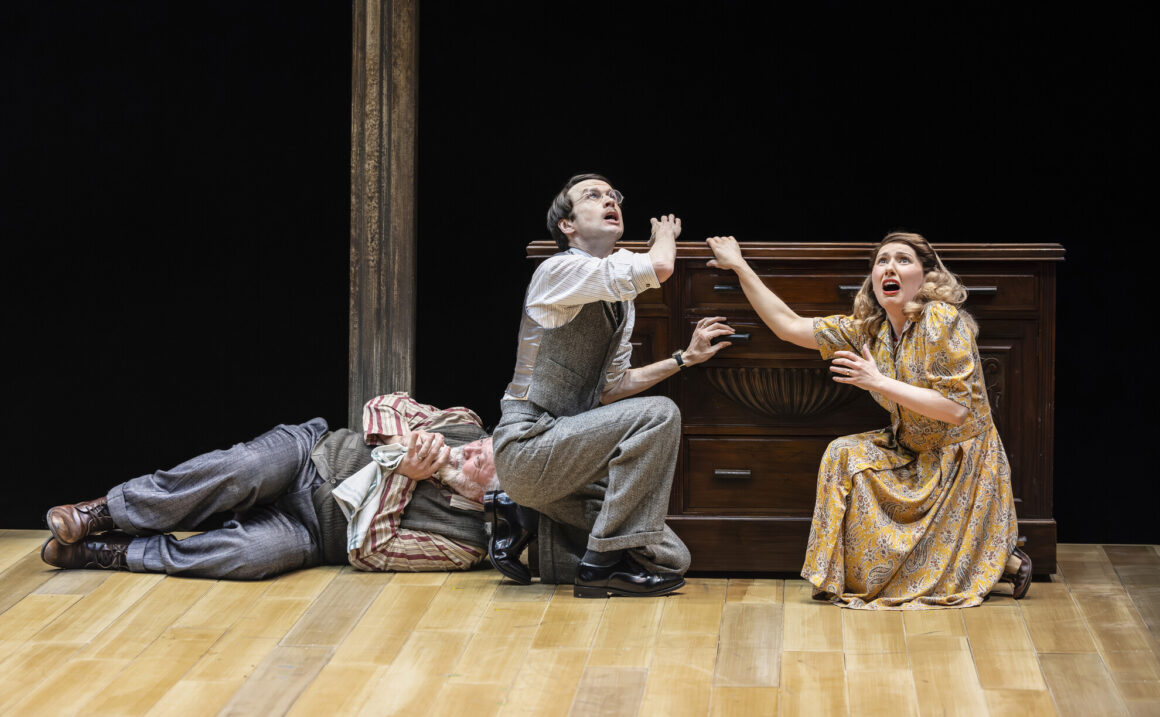
The audience gasp and then laugh and then gasp again as characters are repeatedly revealed as complex beings. Any other play might have descended into melodrama, but Small Island has stuck closely with its characters and has earned the right to its revelations.
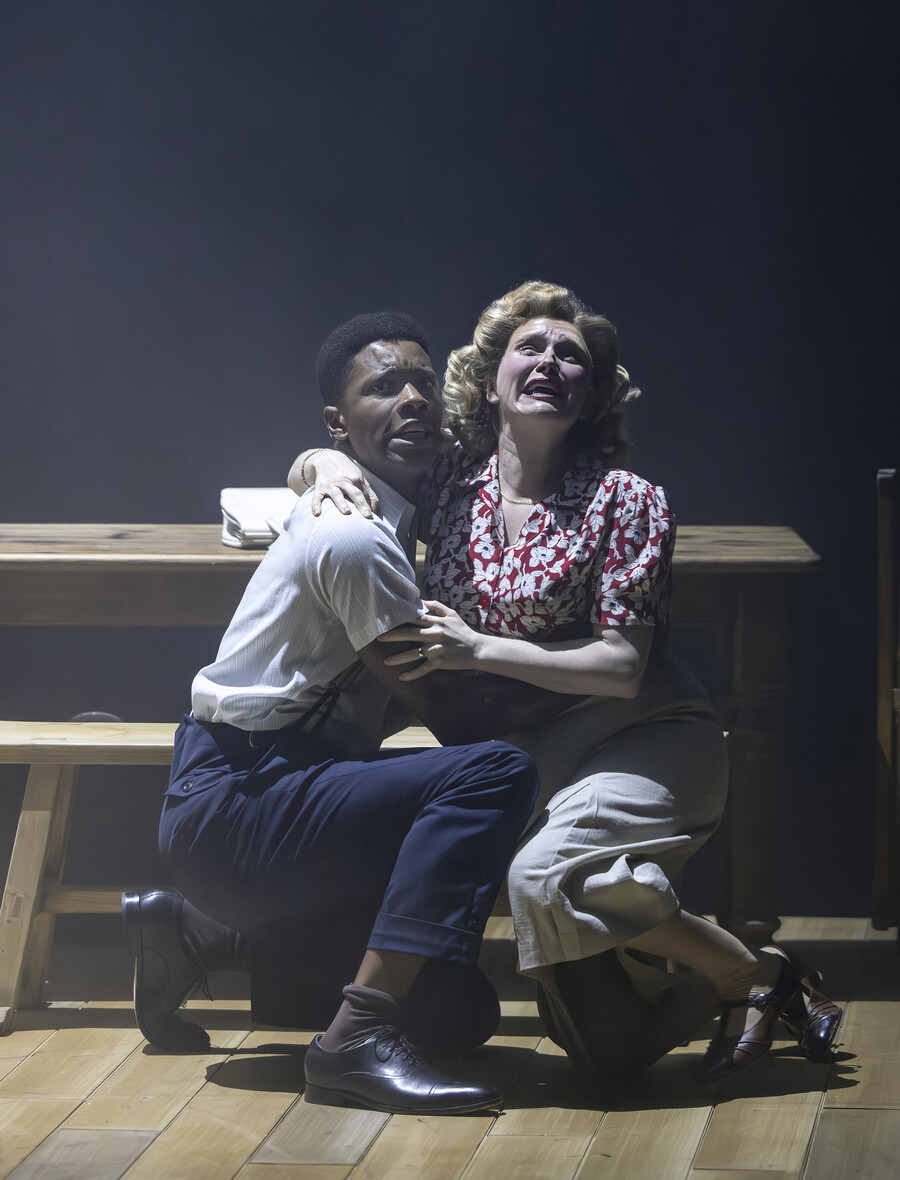
There is suggestion of redemption and then more racism. There is laughing at uncooked chips and then the challenging of whiteness. Both tenderness and fear are found in unlikely places.
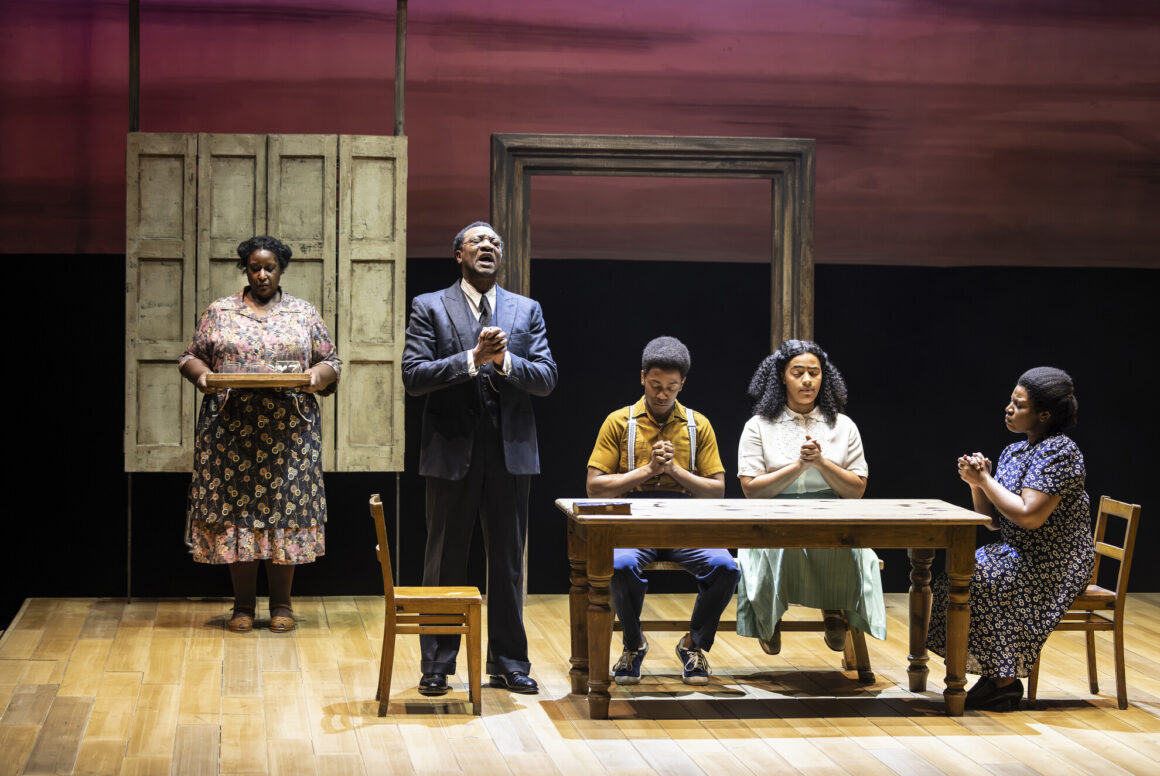
Small Island offers an ending as satisfying as it is uncomfortable. While there are suggestions of hope,
these suggestions just as quickly point to the divisions still to come. Despite the high drama, Small
Island is ultimately a play rooted in realism. It is this that allows it to speak so aptly to modern Britain
today.
Photography by Pamela Raith. Main image: The full cast.