The Thackray Museum of Medicine’s latest exhibition, ‘Blood: Ties and Tensions’, offers an exploration into the significance of blood in medicine, culture and society.
This engaging showcase delves deep into the symbolism and essential role of blood and its impact on social relationships and medical practices.
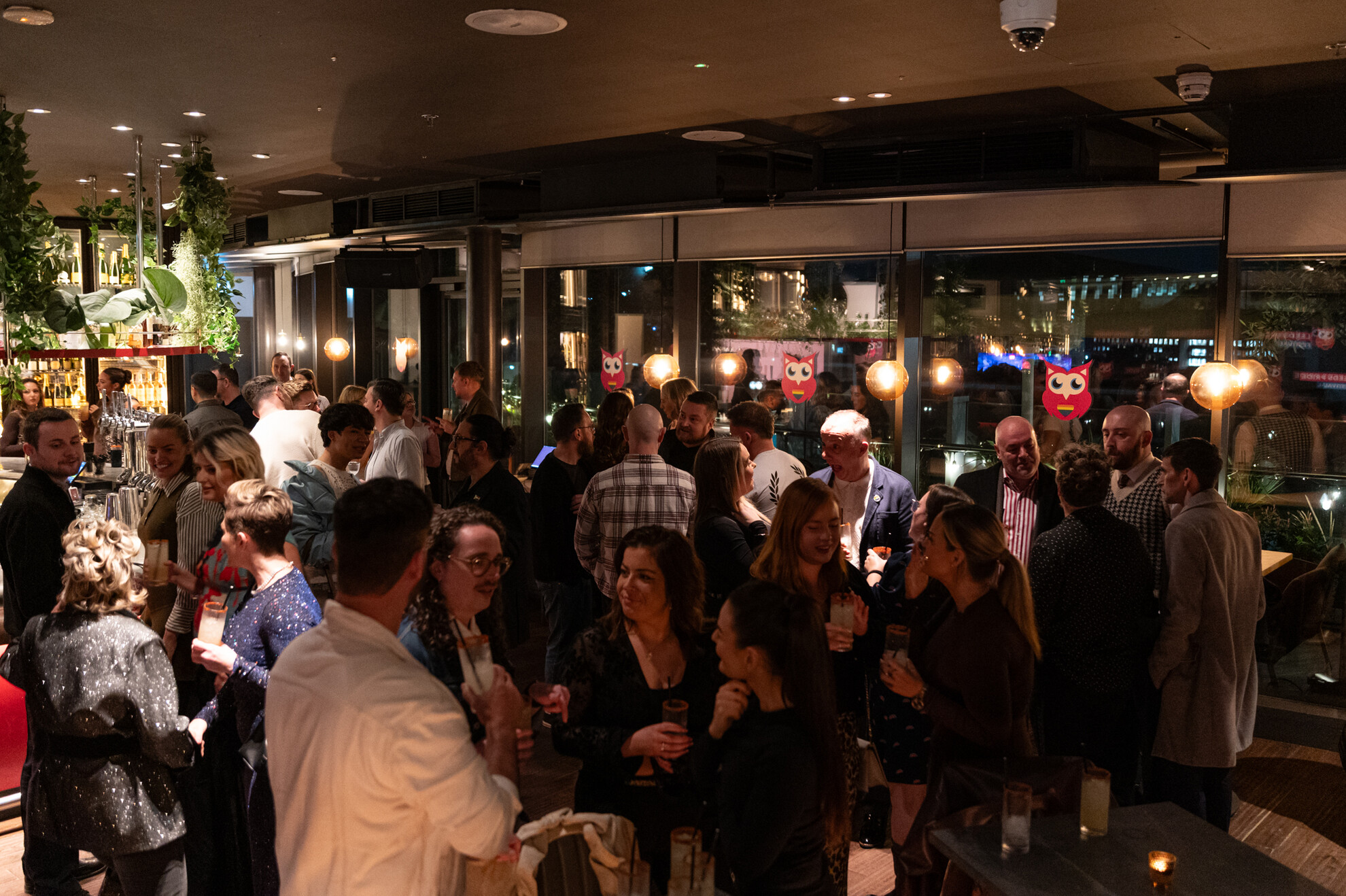
I was fortunate to be able to attend a private viewing of the exhibition amongst those involved in its
creation, as well as being alongside those who work at the Thackray museum and the community groups involved in this piece.
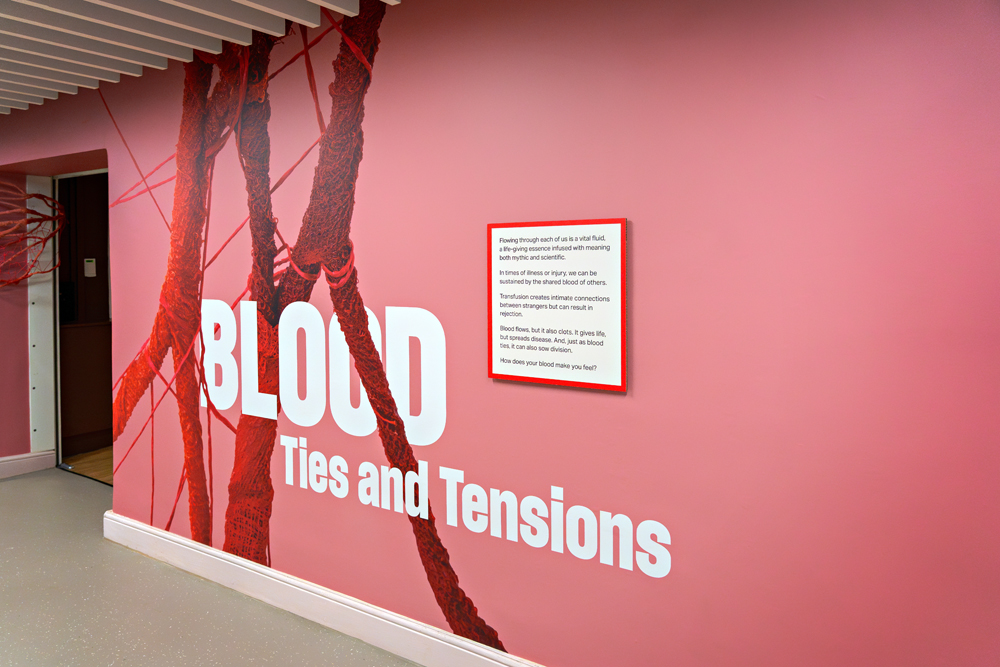
Developed in collaboration with the Hematopolitics project, led by Dr Jieun Kim from the University of Leeds, the exhibition draws from extensive research into the societal and political factors of blood donation, particularly in South Korea and Japan. This partnership introduces new insight into the Thackray Museum’s collection, demonstrating how blood has been used both as a unifying force, as well as a source of division. Dr Jieun Kim’s work explores the ways in which blood donation contributes to national identity and social relationships, encouraging visitors to reflect on the broader implications of blood beyond its medical function that you may not usually consider.
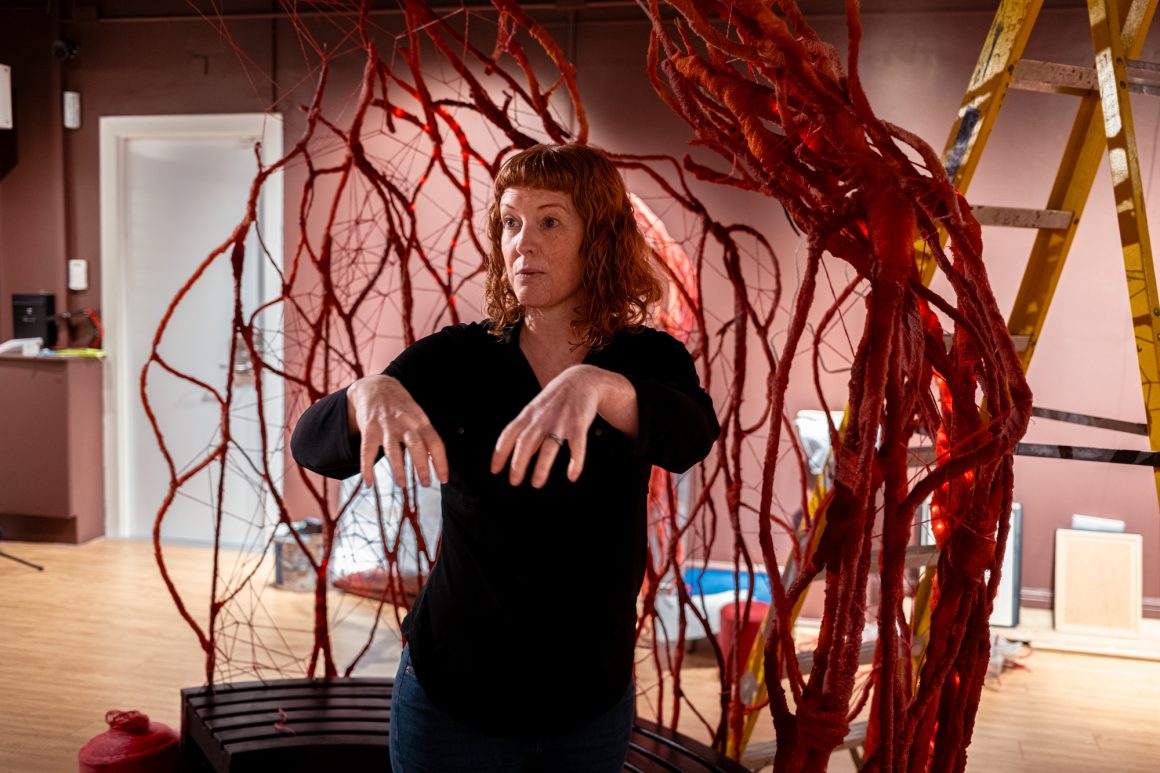
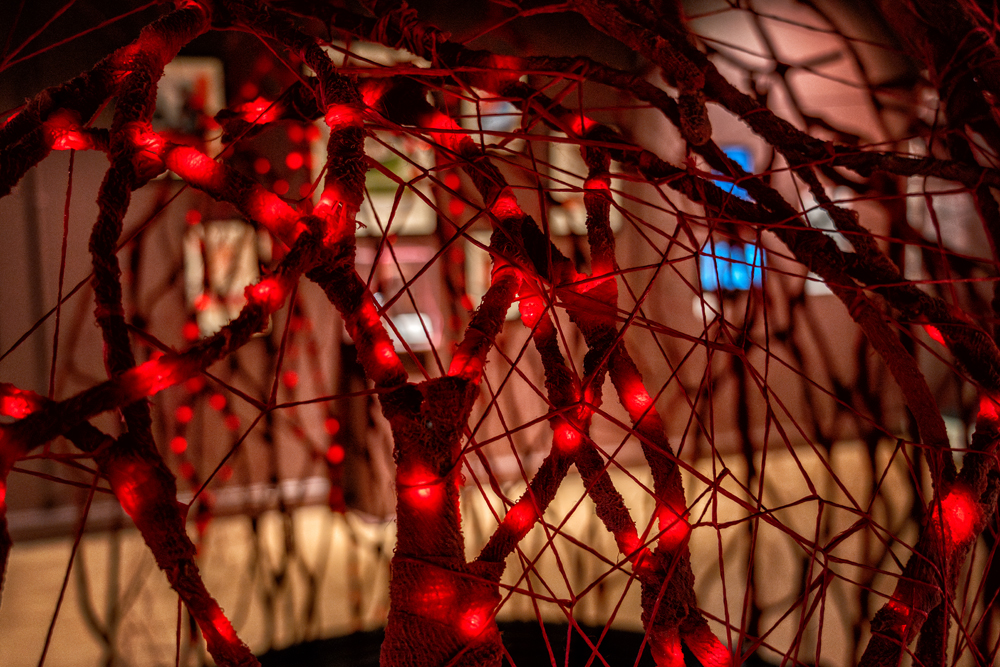
One of the standout installations is the ‘Vessel’, an imaginative piece created by Yorkshire based artist, Gemma Wood. This piece uses light and sound to recreate the intricate networks of blood vessels. The structure serves as both a literal representation of the body’s circulatory system and a metaphor for human connection, particularly between blood donors and recipients. Gemma described the ‘Vessel’ as a sanctuary-like space that encourages reflection and conversation.
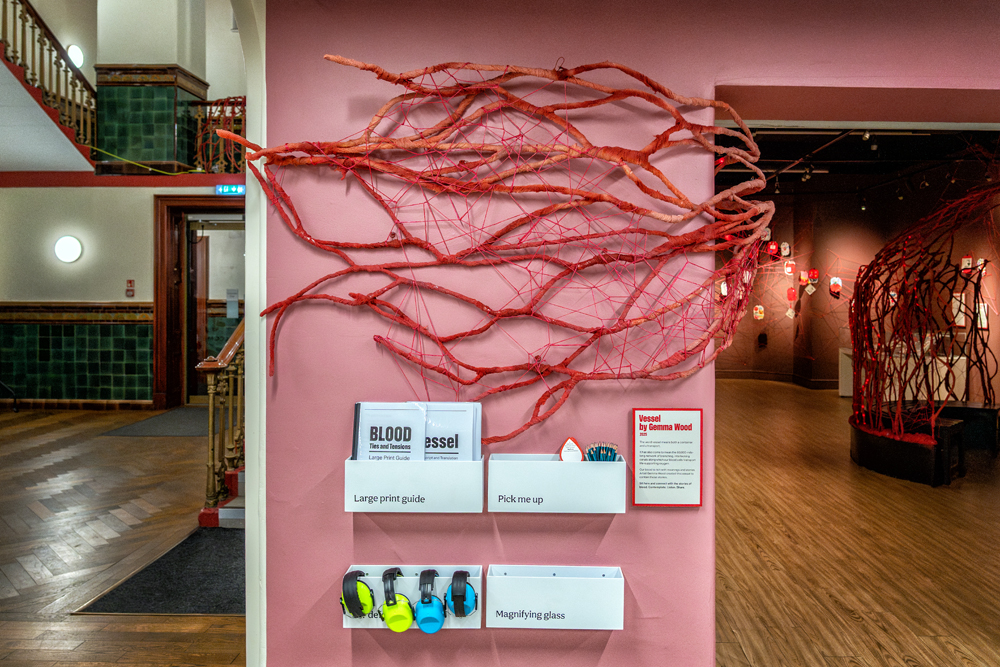
The exhibition also features ‘The Blood Bag Project’, led by artist Leigh Bowser. This includes sessions with the Korea Leukemia Patients Organisation, showcasing handcrafted blood bags that symbolise the personal stories of those affected by blood related conditions.
The museum also collaborated with community groups Mohila Neer and Shore-Up Social Club to create blood donation posters. Inspired by personal experiences and historical designs from the museum’s archives, these posters aim to raise awareness and encourage people to donate blood, further showing the community’s active role in the exhibition.
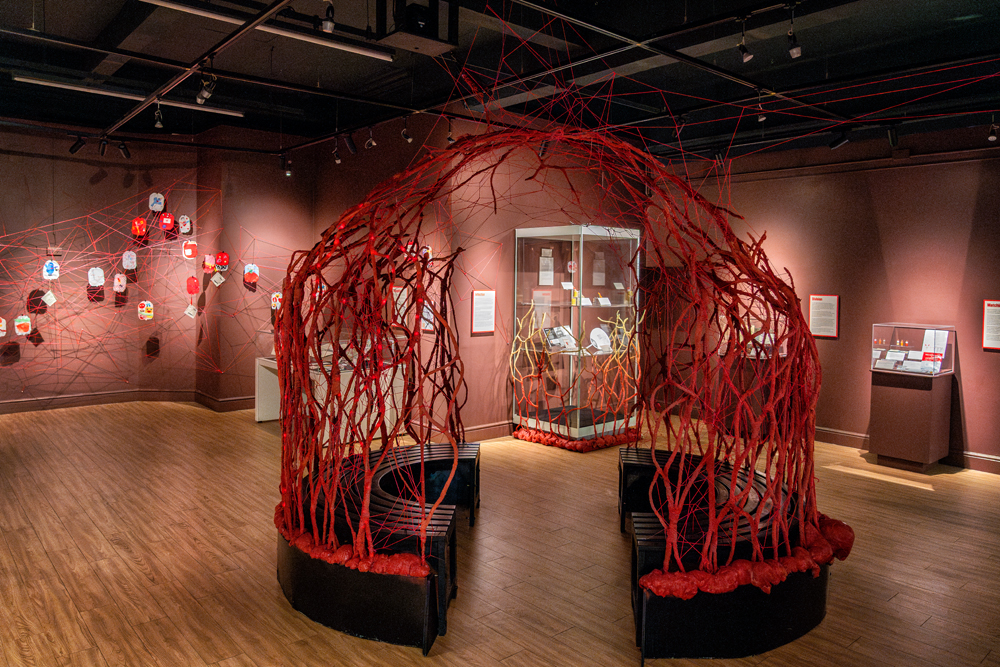
I found the exhibition to be very educational and something truly different. It offers a deeper insight into the topic of blood, going beyond the biological aspects to explore deeper into its historical and societal significance. Each display is interactive, providing both visual representations and informative narratives that educate visitors on various aspects of blood, from its medical uses to its symbolic roles. The exhibition doesn’t just present facts; it encourages reflection, rounding off each section with questions that prompt you to consider the many layers of meaning and impact that blood has in our lives. It really made me think more critically about something we often take for granted.
Adding to the evening was the selection of food and drinks provided by Anand Sweets, offering a delightful array of nibbles, soft drinks, beer and on-theme bloody mary cocktails. This thoughtful detail contributed to the welcoming atmosphere of the museum.
The museum also offers a series of lectures and events. The April Insights lecture will feature Dr Jieun Kim and Dr Ros Williams from the University of Sheffield, who will discuss the ethical implications of blood. These discussions provide attendees with an opportunity to delve deeper into the themes presented in the exhibition.
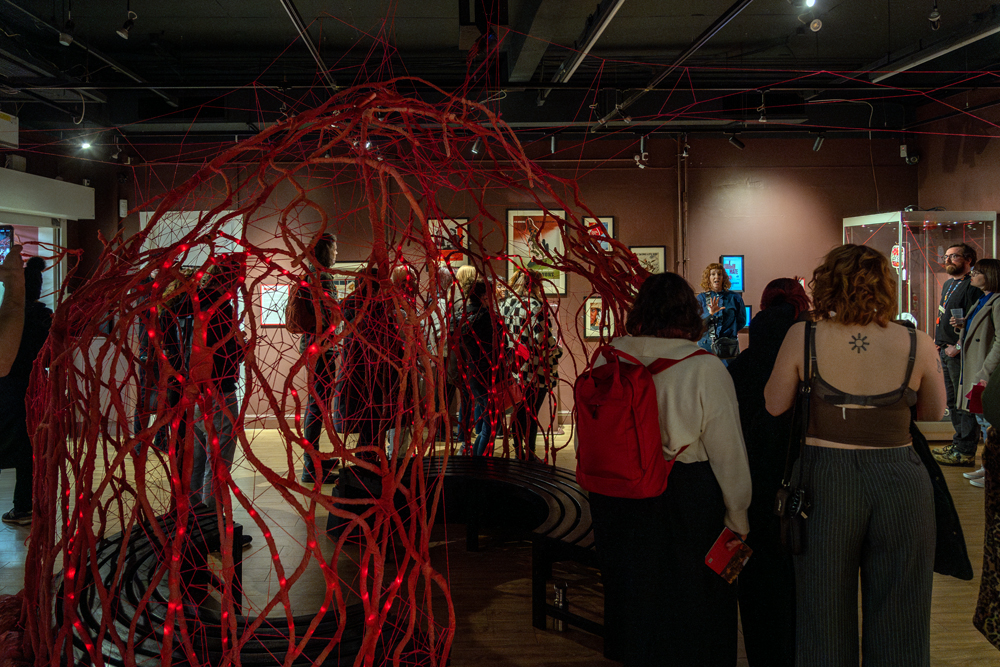
‘Blood: Ties and Tensions’ stands as a compelling and educational experience, blending art, science and personal stories. It challenges visitors to contemplate the significance of blood beyond its bodily functions, highlighting its role in shaping identities and creating connections. This unique exhibition not only informs but also inspires, prompting a more appreciative side for something as simple as blood.
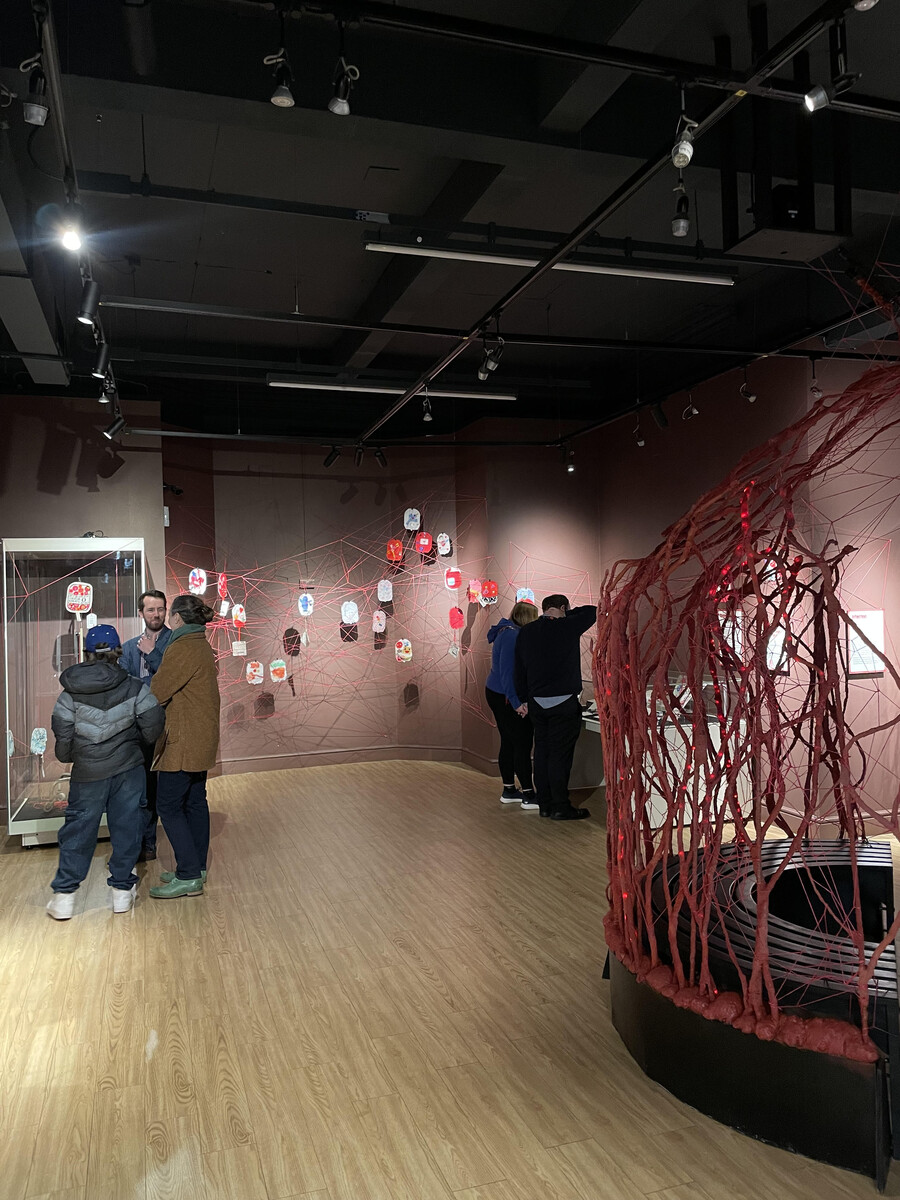
I would highly recommend this exhibition to anyone who has an appreciation for intricate artwork and enjoys quirky, eye-opening exhibitions that are both fun and educational. If you’re someone who likes to learn something new and develop a deeper understanding of topics you may not have thought about before, this is the perfect experience.
Unless otherwise accredited, photography is by Roblin Photography. Main image: Gemma Wood. Photograph by Simon Fogal Chapter 81.