Debbie Rolls has been discovering places to visit on day trips out of town.
Community has been at the heart of bringing Wentworth Woodhouse back to life. It is also at the heart of this year’s summer exhibition.
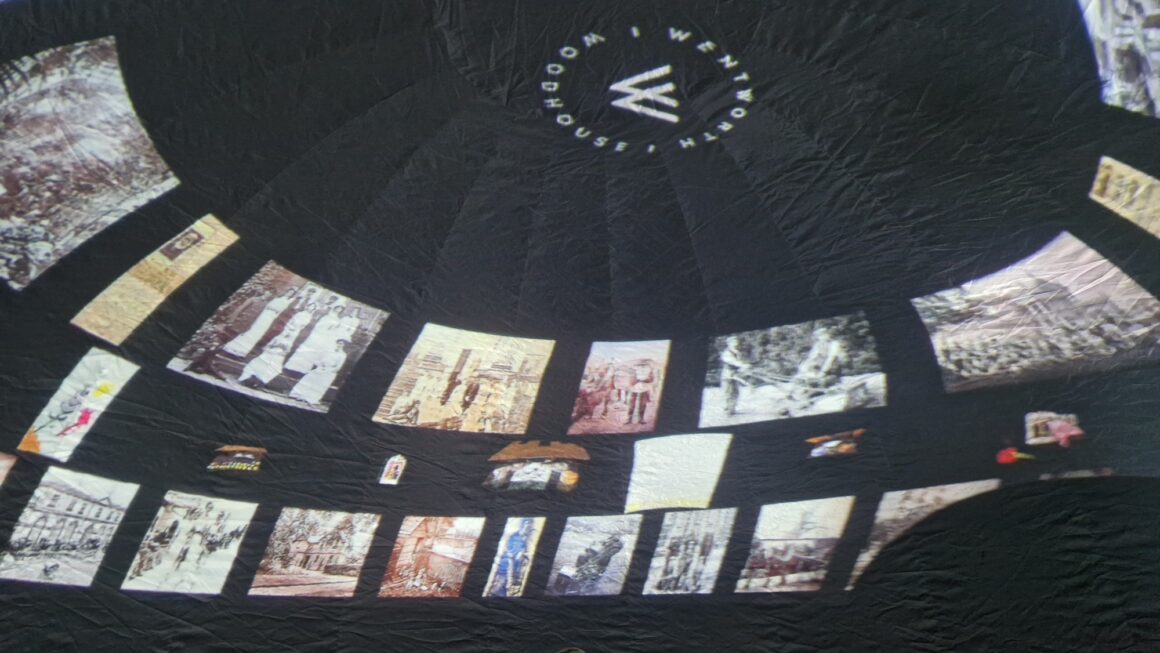
Echoes of the House: Stories in Light and Motion uses historic and modern cinematic techniques to bring life into the once deserted rooms. Those stories are about the people of the past and present; not the rich who once owned the land but ordinary working people who have ensured the smooth running of the impressive building.
Woodhouse, once recognised as one of the great British houses alongside Chatsworth and Blenheim, was in danger of collapse. In the twentieth century it became a teacher training college, failed to be converted to a private dwelling, and then became vacant. The Wentworth Woodhouse Preservation Trust (WWPT) was set up in 2017 with the mission of saving and restoring the site for the benefit of the local community.
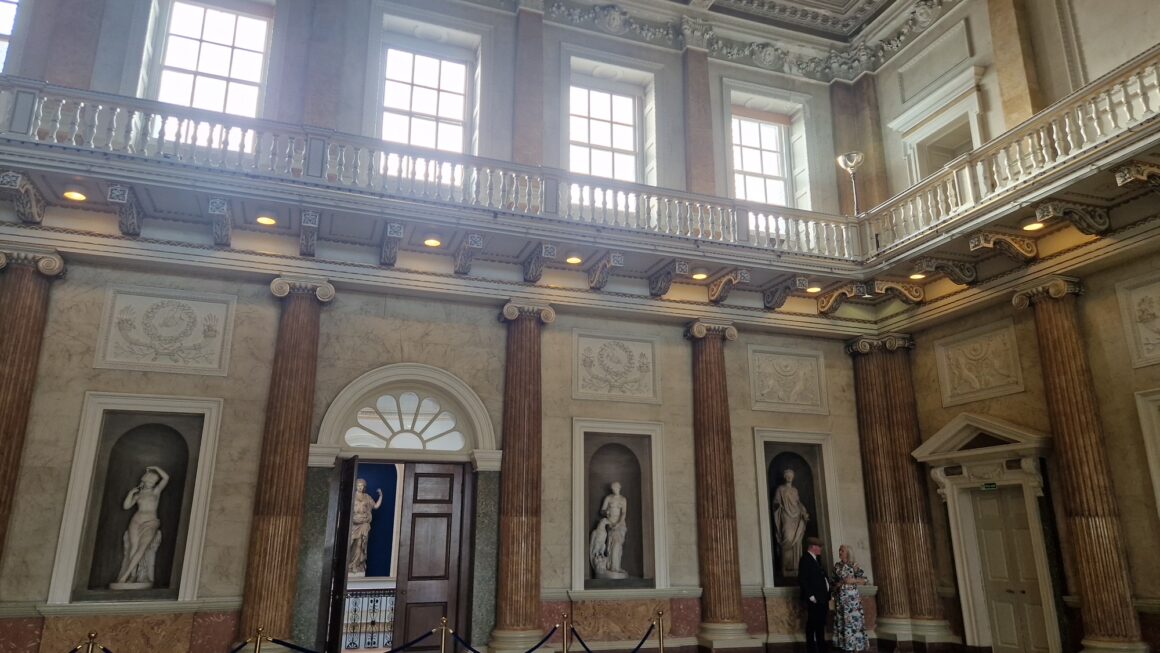
While other grand houses are full of goods provided by current or earlier owners, or dressed in collections from local museum services, Wentworth Woodhouse is in many places a blank canvas, albeit one dressed in magnificent architectural features. The grade 1 and 11 buildings are on an epic scale. The house alone has 300 rooms, while the stable block is as large as some country houses. The restoration process is even more epic.
When introducing the exhibition, the trust’s Chief Executive, Sarah McLeod, praised the volunteers, community groups and small staff team, ‘who all worked more hours than they were paid,’ who on the project. A commitment to research and community engagement became clear as I followed the route of the exhibition.
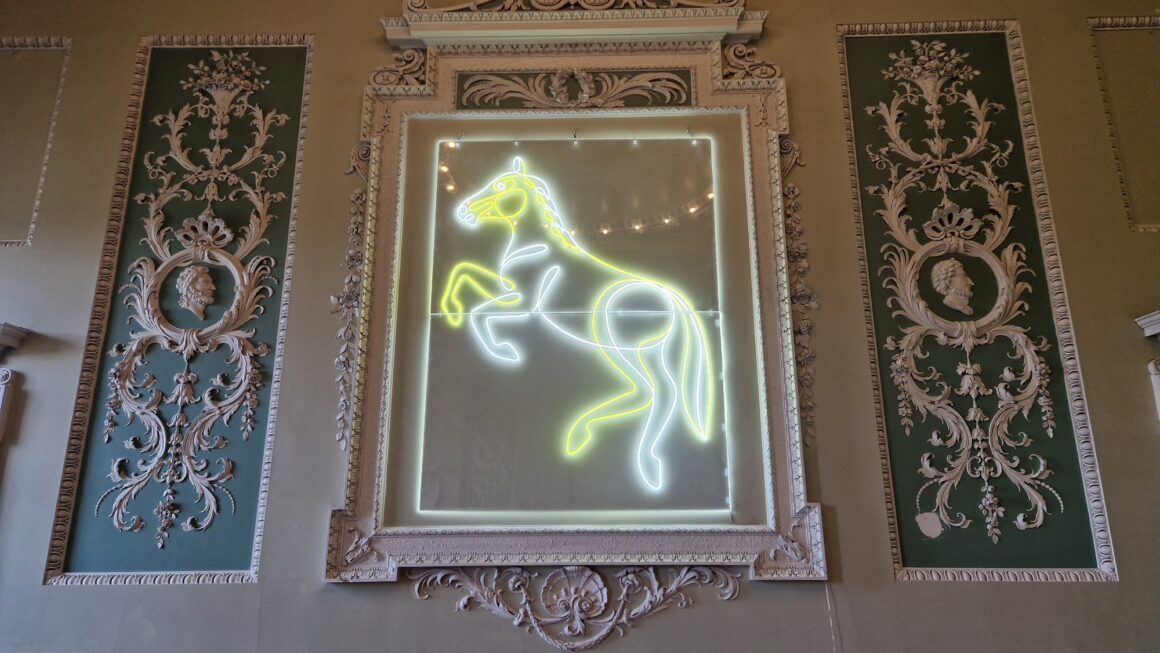
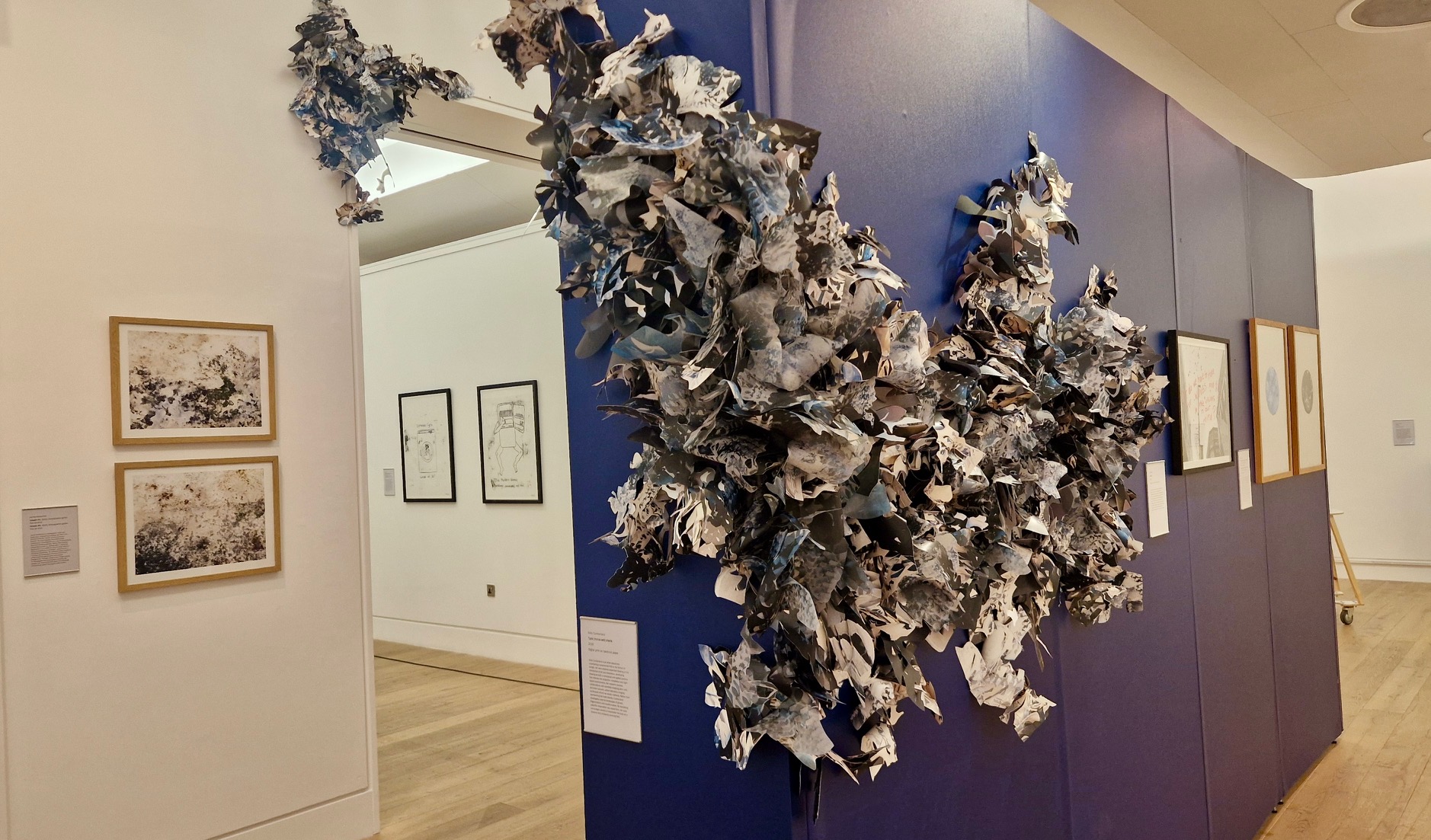
Each room reveals stories of labour, pride, resilience and belonging across time. The digital media involved includes photography, a neon horse portrait, a digitised shadow puppet show, projections inside a domed tent, video and an impressive zoetrope by influential artist Mat Collishaw. All add to the story of the house. Unusual stories include those of black servants who once worked here, such as Henry Fryday and George Senegal, whose incomplete stories have been brought to life by multimedia artist Cole Morris.
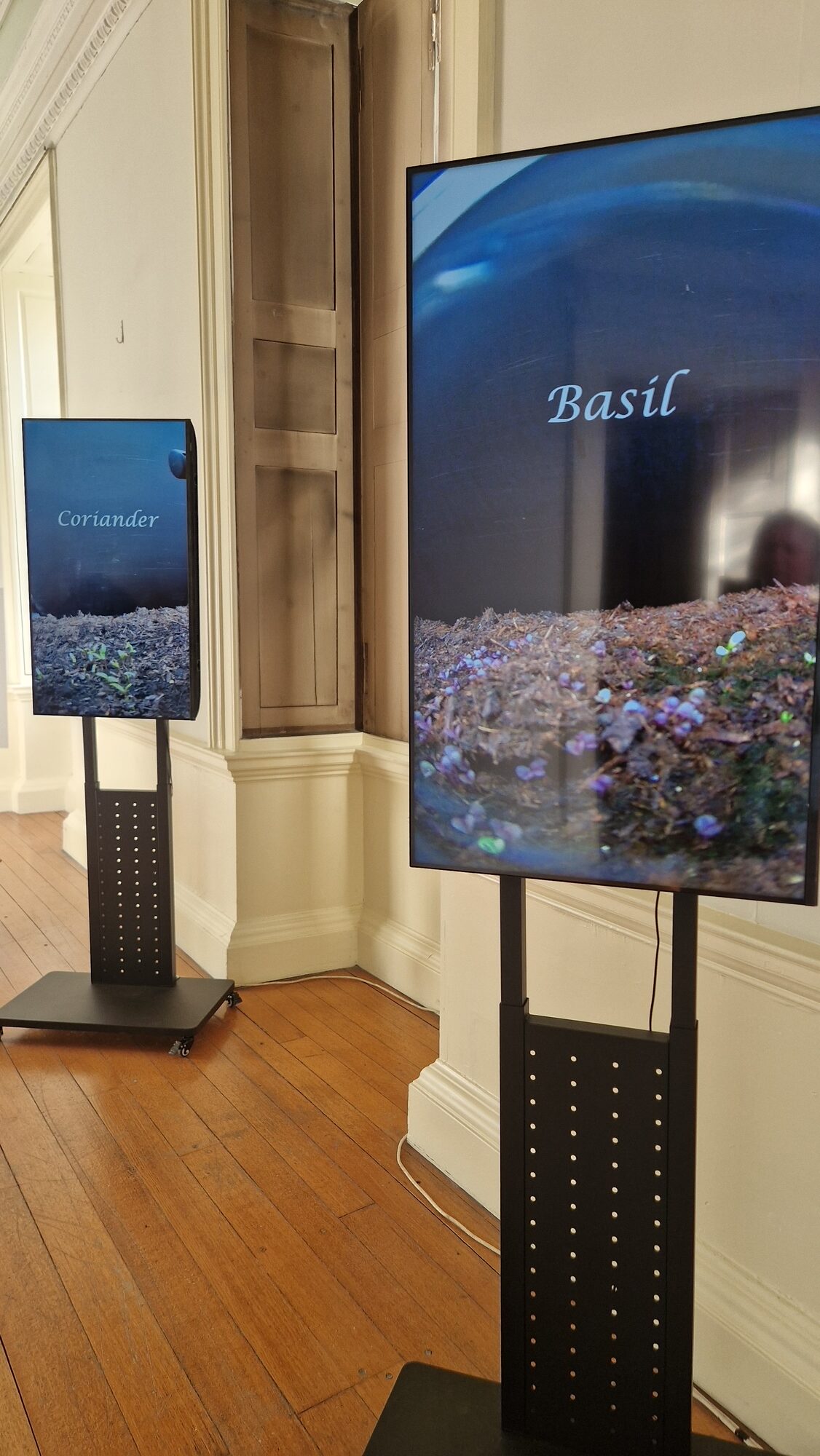
My personal favourite installation was a video called In Her Hands. It tells the story of Louise Webb who had the age of 25 has become head chef, having started in a junior role. She talks movingly about her grandmother’s love of Wentworth and shows us the watercolours she painted before the onset of dementia. The video is accompanied by artist panels showing the life cycle of the herbs she uses to cook. The herbs are nurtured by community gardeners.
It is clear that Wentworth Woodhouse has a commitment to helping young people. Many of the staff are young and panels outlined how traineeships were offered as part of the creative process of forming this exhibition. In 2025, Rotherham was the first Children’s Capital of Culture and the trust was keen to be part of this programme. Bethan Maddocks worked with a range of local youth and community groups, including Apna Haq, BME Disabilty Family Network and Rotherham Fostering Children in Care, to explore the archives and bring stories to life through pop-up art cards.
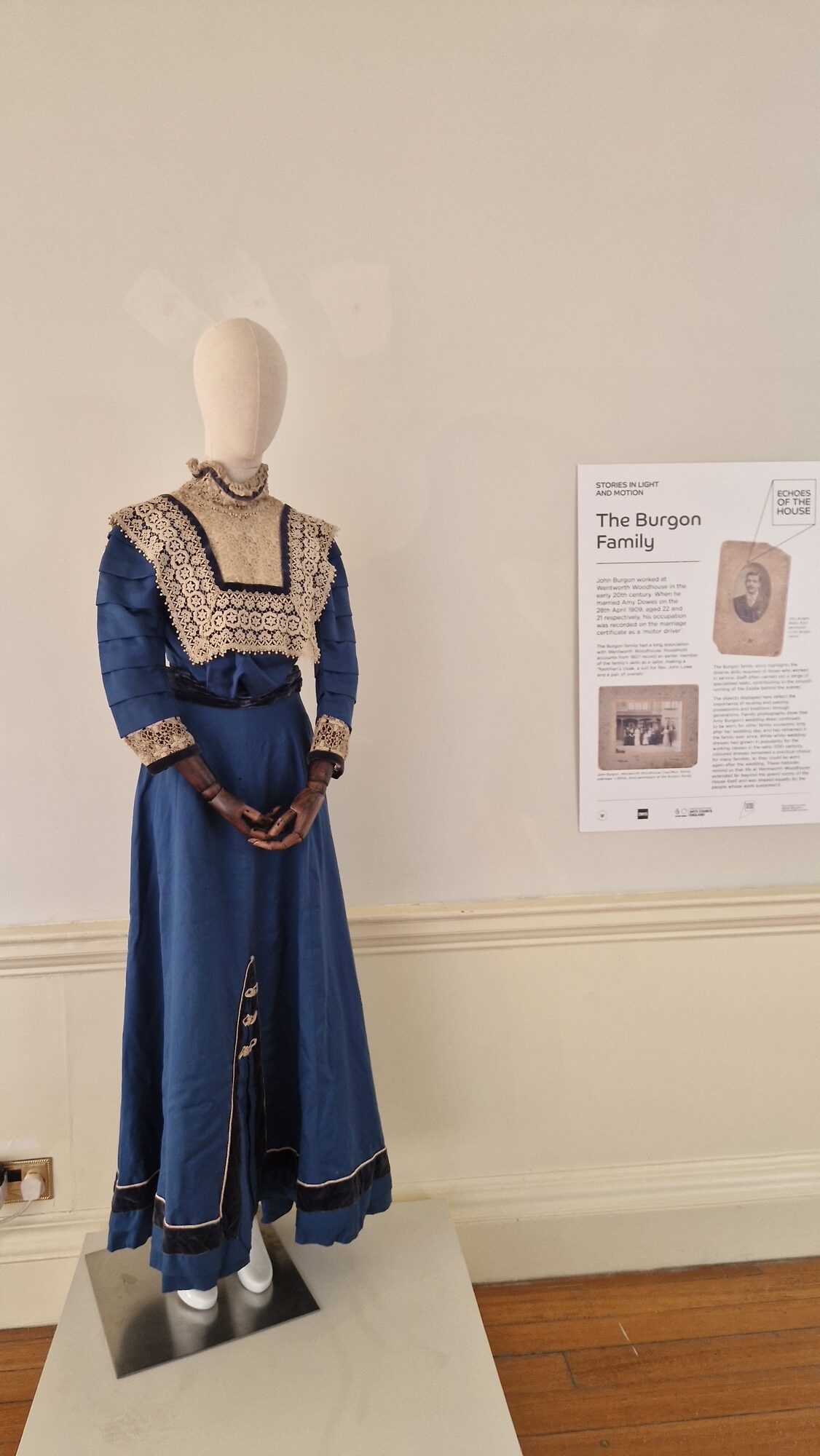
There are various displays about people from the past that have been put together through archive research. However, the staff and volunteers knew there were many more stories that lay buried in the community and put out a call for people to bring their own stories and artefacts. Two artefacts stand out as a result if this process; a portrait and a wedding dress. The dress was worn by Amy Dowes, when she married the house’s chauffeur, John Burgon, in 1909. The family had kept the dress in a drawer, not knowing what to do with it. Her grandson told me that she continued to wear the blue dress at weddings and christenings for many years.
The portrait is rare as it portrays a member of household staff. William Denton was a butler. It is believed the portrait dates from the late 1850s when William would have been about 60. No one knows who painted the portrait or why. Usually only the rich were represented in paint. The oil painting spent many years in an attic but is now on loan from his great-great-grandson, 85-year-old former British Steel works engineer Don Rose, who will give it pride of place in his home when it returns.
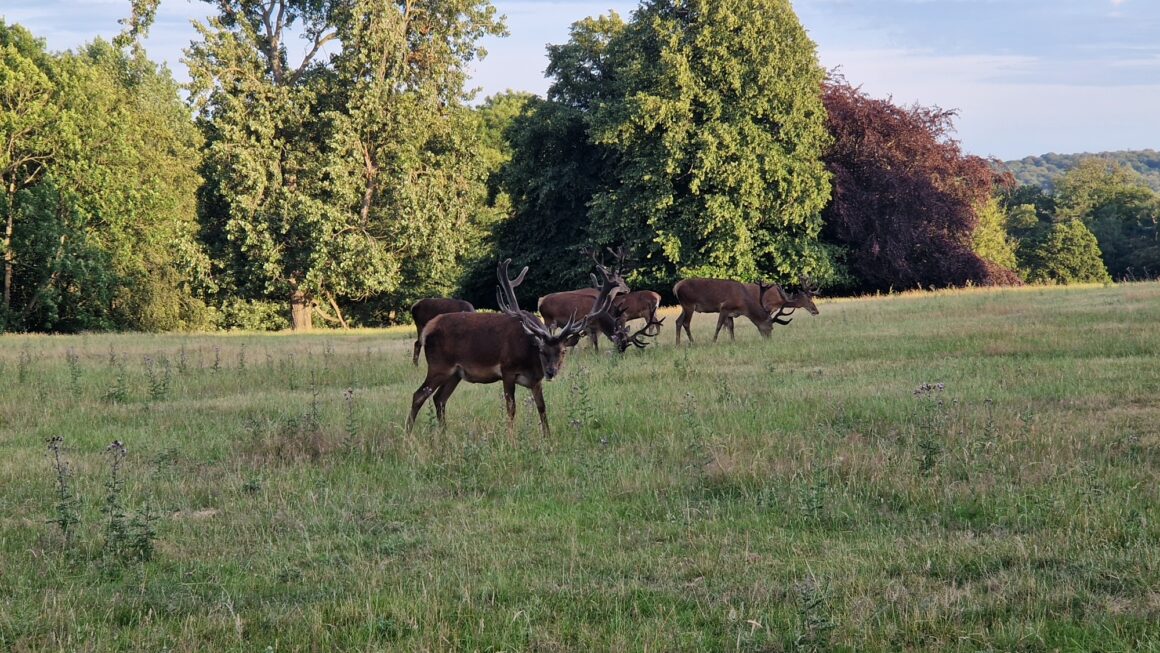
Wentworth Woodhouse is a 40-minute drive from Leeds. There is a charge to enter the house and formal gardens, but car parking is free and there are miles of footpaths that cross the parkland surrounding the house. You could easily spend an entire day exploring the exhibition and grounds.
https://wentworthwoodhouse.org.uk
Photography by Debbie Rolls.