I’m not one who generally ventures into the world of exhibitions, my low attention span suiting live theatre more. However, it’s the summer holidays and I have a bit more time, so I jumped out of my comfort zone straight into the deep end – of the sea.
I was worried about finding the location of the event, but it’s in a large corner building on Headrow where Home Sense used to be and the reception desk is right as you enter (on a side point it’s also the same venue that has a huge LEGO exhibition on now, too).
My first realisation is that there are exhibitions, and then there’s Titanic: A Voyage Through Time. This is something I’ve never experienced before —a bold leap into the future of storytelling that seamlessly fuses virtual reality with historical exploration. From the moment you don a headset, you’re no longer simply observing history—you’re living it.
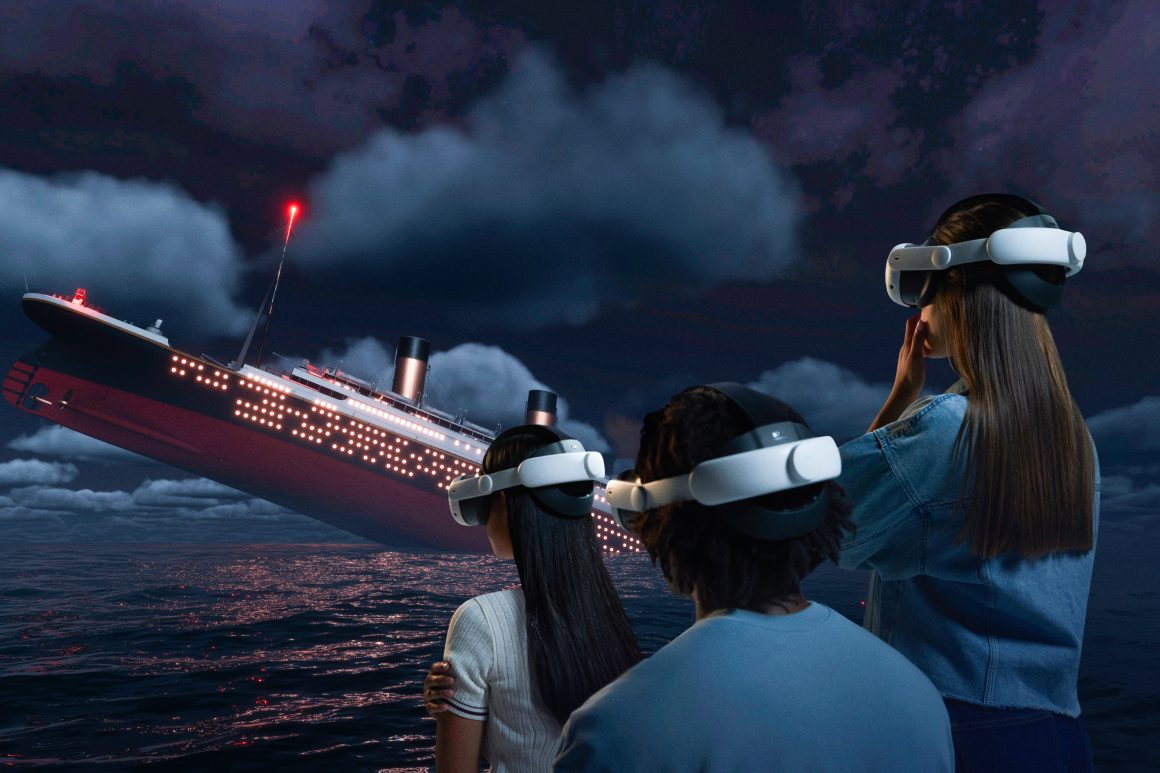
This is in no way your typical static display. Instead, you enter a very large room in small groups as you are called in. You are given a short explanation and a VR headset to wear. The space instantly changes, but you can make out the avatars of the people in your group, so you can interact with them throughout the tour (and avoid walking into them, too). An avatar guide then appears and he is the one who confidently takes you around the exhibition.
You begin the tour by exploring the ruins of the ship, experiencing the 3800 meter drive down in a sub as you see fish past you by. The ruins are haunting and the guide explains brilliantly exactly what you are seeing. You have a bit of time to explore the space (although we would have liked even more, especially of the inside) before the guide whisks you away and you’re instantly transported onto the decks of the RMS Titanic as it was on its departure day.

On this part of the tour, you’re able to stroll past gleaming brass railings, peer over the side at the endless Atlantic, and wander through first-class staterooms with richly detailed décor. You walk more around the space now and, although there are other groups at various stages of the tour in the room, the VR cleverly ensures you avoid crashing into both them and the walls by using visual barriers to warn you. You can also peek down to the floor under the headset if you’d like a little reassurance that you won’t crash into anything or hold on to someone’s hand (hopefully someone you came with!)
I particularly liked seeing the style of the ship as it was when it first set sail, being able to wander around a 1st class suite and even pick stuff up like champagne glasses and the menu to read. You can even descend the sweeping Grand Staircase (of Kate Winslet fame), which although it made me feel a little bit terrified of falling over, was actually absolutely fine. My husband discovered you can walk through the wall of the ship and stand floating terrifyingly high over the water – making me nervous even though I knew it was all VR.
My husband as an engineer loved exploring the bustling engine rooms, and you could even “join” the crew by shovelling virtual coal into the furnaces, which children would love. One moment you’re mingling in the opulent dining saloon, the next you’re standing in the wireless room as operators tap out urgent messages.
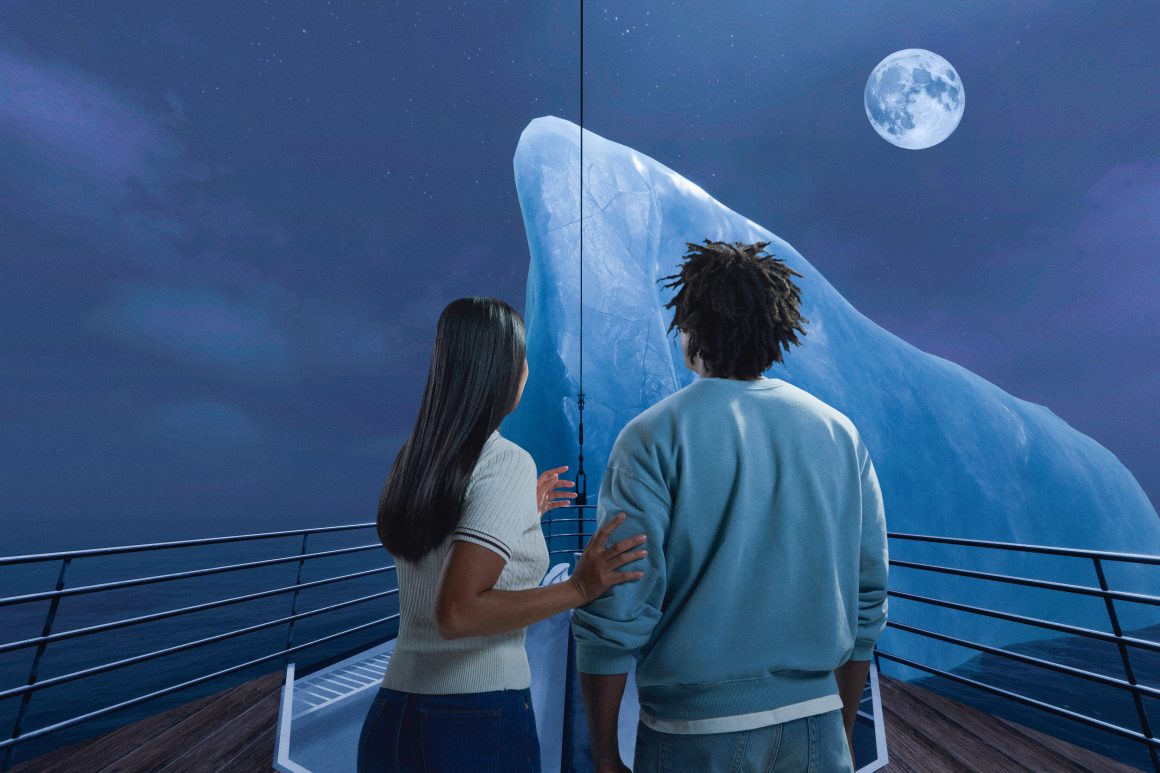
Standing on the bridge was another highlight for me, not only because you could pull the fog horn and operate the levers, but because you could look up at the stars, the sea and then the fast approaching iceberg. You even see the moment the Titanic crashes into the iceberg!
What makes this exhibit really stand out is its human heart. It isn’t merely about the ship; it’s about the people. You’ll meet the passengers and crew—men and women who dreamed, lived and perished aboard the Titanic. Their stories are woven into the experience, giving it emotional reality and depth. I particularly liked the information and photos at the end about some of the passengers who survived and others who perished.
For older kids—those just beyond picture books and school-room lessons—this exhibit hits the sweet spot parents are after between education and entertainment. The minimum age is 8+, making it accessible for children mature enough to grasp deeper themes. The children will be gripped by the virtual experience, not realising they are actually learning. The adults will be gripped by the detail they go into regarding the history and the mechanisms of the most famous ship ever built. This exhibition isn’t just age-appropriate; it’s actively engaging. Instead of reading plaques or listening to audio guides, kids walk the decks, uncover stories through action, and physically interact with the environments—even if they do it all wearing a VR headset.
What makes it fascinating is how beautifully modern tech serves a historical purpose. VR isn’t a gimmick here—it’s a portal. Presented by the company Fever, they have worked in collaboration with experts and universities to ensure the exhibit brings scholarly accuracy and immersive flair together, achieving educational integrity alongside visual spectacle. Moreover, the experience is accessible—held indoors, fully wheelchair-friendly, lasting around 50 minutes (budget an hour for gear handling), and presented in English and Spanish.
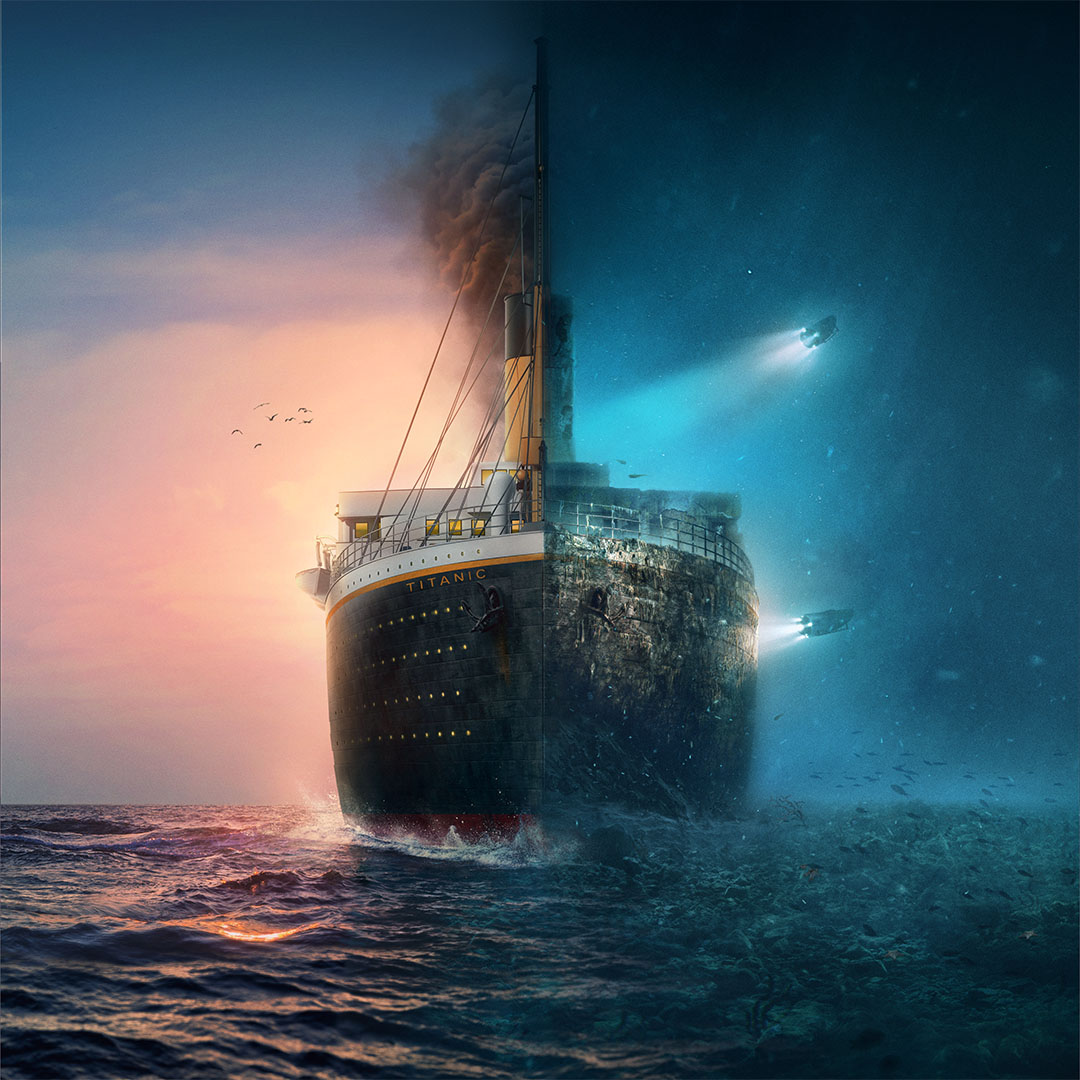
Titanic: A Voyage Through Time is nothing short of remarkable. It’s a bold, inventive way to bring history from still photographs to life. It’s educational yet thrilling, respectful yet cutting-edge. For families with older children—especially those teetering on the edge of engagement—this is history delivered via the language they understand: immediate gratification. A brilliant, modern tribute to a timeless tale—this is history as you’ve never seen it before. This is the future of exhibitions and is certainly the best one I’ve experienced. Let’s hope there’s more innovative, interactive events like this in Leeds soon!
- Location: Unit 3, Broadgate, 22-26 The Headrow, Leeds, LS1 8EQ
- Duration: 45 minutes
- Price: From £13 (Child) & £15 (Adult)
- Website: https://titanicexperiencevr.com/leeds/
Titanic: A Voyage Through Time – images courtesy of Fever.