Shawshank Redemption: A powerful story that still resonates
The Shawshank Redemption is, at its core, a story about injustice, endurance and the quiet, stubborn power of hope. First penned by Stephen King and later immortalised in its iconic 1994 film adaptation, it’s a narrative that already carries enormous emotional weight and expectation. No stage production can realistically rival the scale or legacy of the film, but this version doesn’t try to. Instead, despite a few flaws, it offers a thoughtful and engaging retelling…one that captures the spirit of perseverance and human connection at the heart of the story, and ultimately delivers an enjoyable evening of theatre.
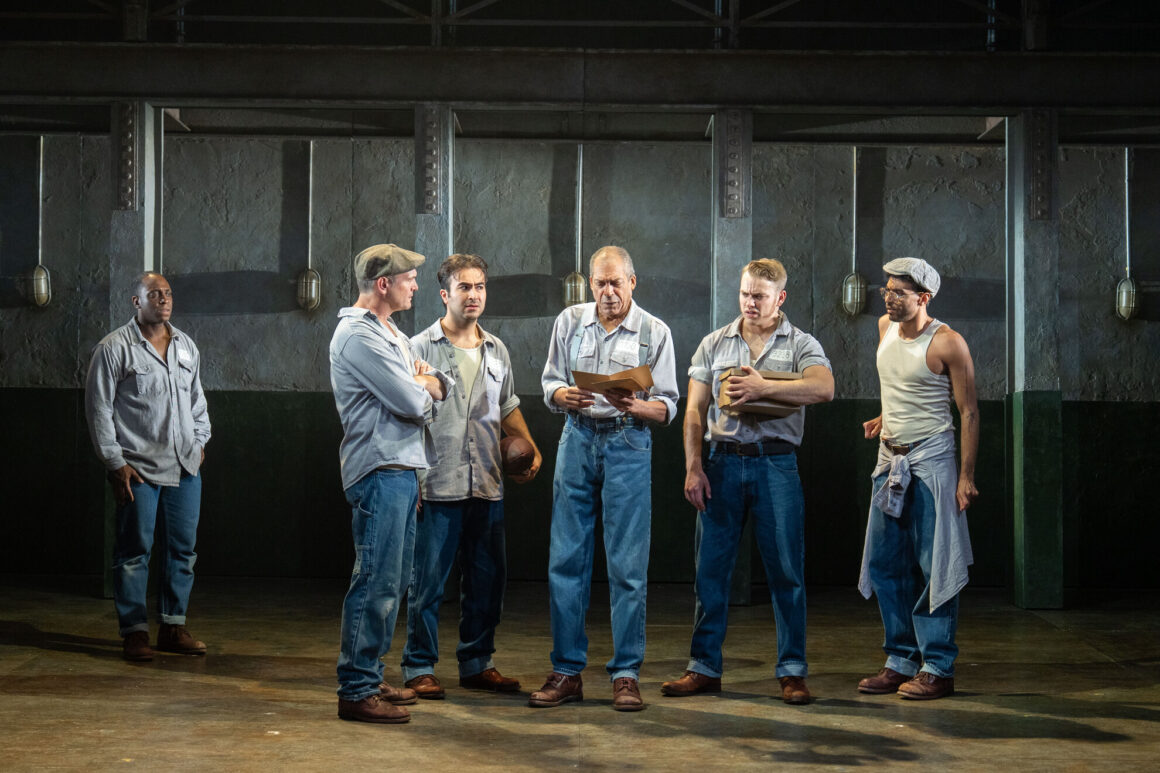
The story follows Andy Dufresne, a quiet and intelligent banker who is sentenced to life imprisonment at Shawshank Prison for the murder of his wife and her lover; a crime he maintains he did not commit. Inside the brutal and corrupt prison system, Andy forms an unlikely friendship with fellow inmate Red, played so memorably on screen by Morgan Freeman. Over the years, Andy uses his skills to gain favour with the guards while quietly resisting the dehumanising effects of prison life. As time passes, his resilience, ingenuity and unwavering sense of hope begin to affect those around him, building towards a carefully orchestrated plan that ultimately challenges the very system that sought to break him.
The film adaptation, now widely regarded as a cinematic masterpiece, was nominated for seven Academy Awards and has since taken on an almost mythical status. Any stage production, therefore, arrives with an enormous burden: not just to tell the story, but also to contend with audiences who already feel they know it inside out.
This touring production, currently playing at Leeds Grand Theatre, wisely leans into the strength of the source material rather than attempting to outdo its screen counterpart. The themes remain firmly intact: the brutal injustice of the judicial system, the endurance of hope, and the quiet, transformative power of human connection. And while it may not reach the emotional scale of the film, it offers a compelling and often affecting evening of theatre.
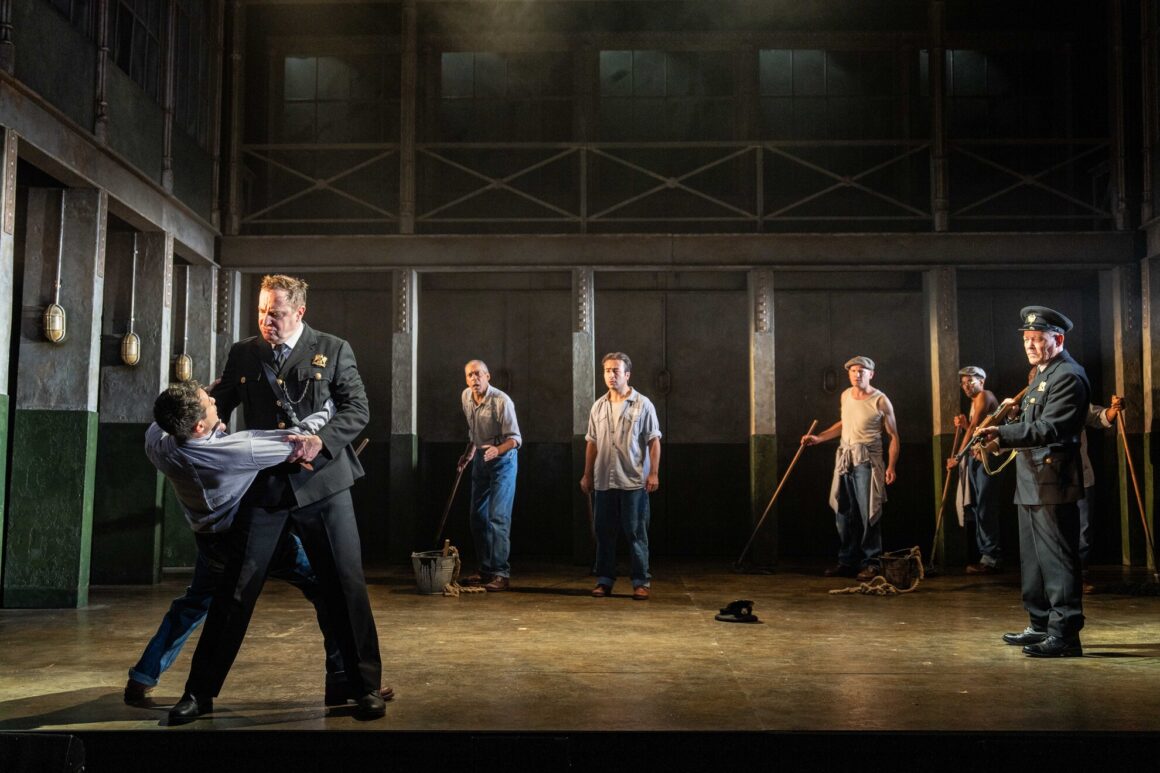
Visually, the production is striking. The set design is one of its strongest assets, immediately immersing the audience in the oppressive world of Shawshank Prison. Stark, metallic cells frame the stage on three sides, while harsh, hanging lightbulbs cast a cold, institutional glow. The effect is deeply claustrophobic – you feel the weight of the walls closing in, the monotony of years stretching endlessly. It’s a clever, atmospheric design that does much of the storytelling before a word is spoken.
The soundscape supports this effectively. Scene transitions are punctuated with well-chosen music, including bursts of 1950s rock that both ground the piece in its era and provide a welcome contrast to the otherwise intense mood. It helps maintain momentum in a story that, by its nature, spans years.
Performance-wise, there is much to admire, particularly among the antagonists. Bill Ward, of Coronation Street and Emmerdale fame, delivers a convincingly sinister turn as Warden Stammas, exuding a quiet, manipulative authority that makes him instantly loathsome. His performance anchors the narrative’s moral conflict, making the eventual unravelling of his power all the more satisfying.
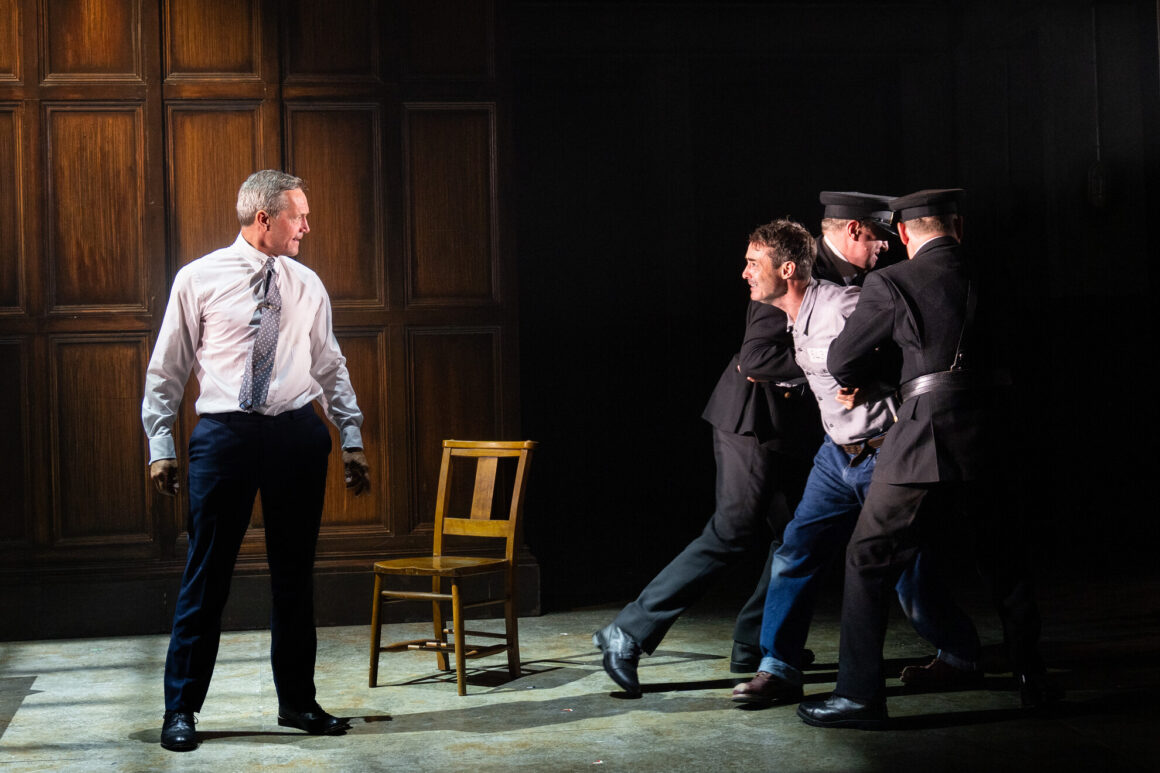
Equally memorable are “The Sisters,” brought chillingly to life by Sean Kingsley and Ashley D Gayle. Their presence is genuinely unsettling, injecting real menace into the production. It’s no exaggeration to say that the villains often steal the show here; their scenes are among the most gripping and emotionally charged.
Ben Onwukwe brings warmth and gravitas to the role of Red, echoing the compassion that Morgan Freeman made so iconic. However, there are noticeable issues with audibility. From a mid-stalls seat, key lines were frequently lost, a frustration echoed by others in the audience. In a play so dependent on narration and reflection, this does undermine the emotional connection at times. One can only imagine the challenge for those seated further back. This issue extends beyond a single performance. The role of Tommy Williams, played with charm and sincerity, also suffers from projection problems, which is particularly unfortunate given the character’s importance to the story’s emotional arc.
Meanwhile, Joe McFadden struggles to fully convince. There are moments where his performance feels overly familiar, the echoes of soap opera roles creeping in, and it lacks the naturalism needed to make the character entirely believable. In a production that relies so heavily on authenticity, this occasionally pulls you out of the story.
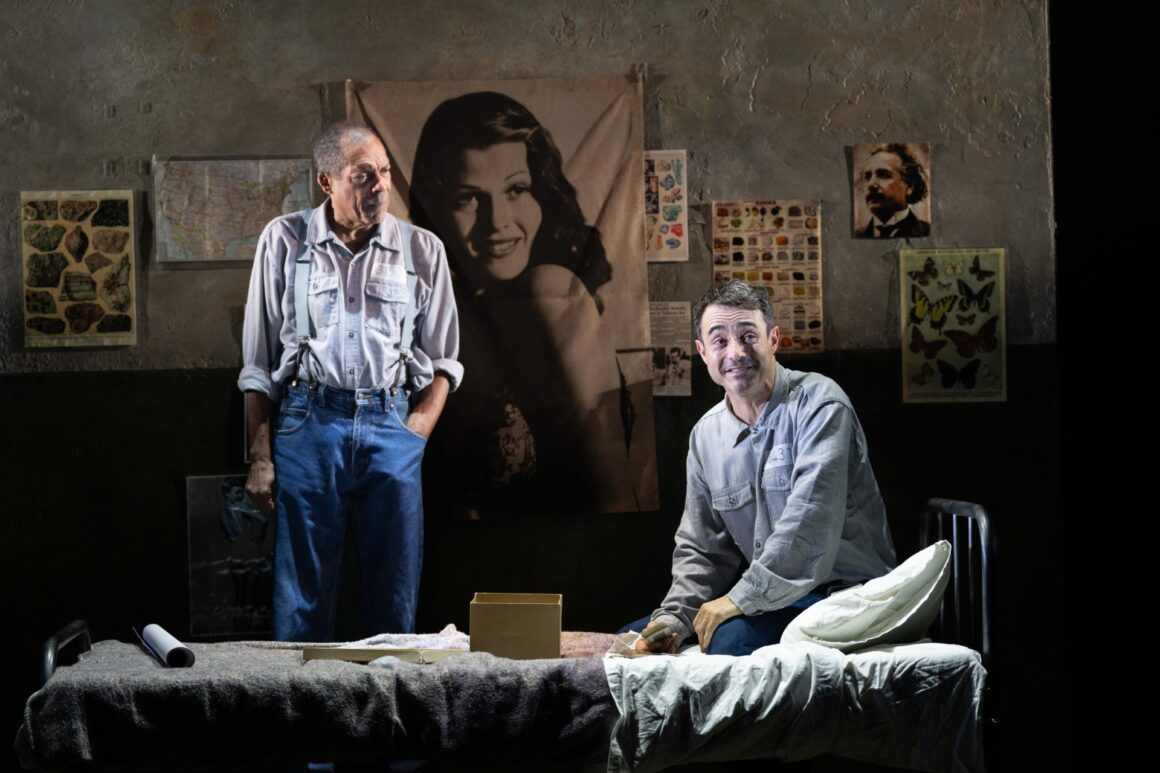
That said, the ensemble as a whole creates a powerful sense of camaraderie. The all-male cast works cohesively to depict the shared experience of imprisonment; the boredom, the brutality, but also the bonds that form in the unlikeliest of places. Some of the play’s darkest moments are handled with sensitivity and restraint, yet still linger long after the curtain falls.
Ultimately, this is a production that succeeds where it matters most: in reminding us why The Shawshank Redemption endures. It may not surpass, or even match, the emotional depth of the film, but it doesn’t need to. It stands as a respectful and engaging retelling of a remarkable story.
If you’re a fan of the original, comparisons are inevitable, but there is still much here to appreciate. And if you’re new to Shawshank altogether, you may find yourself even more absorbed, free from the shadow of expectation, able to experience its message of hope and resilience on its own terms.
https://leedsheritagetheatres.com/whats-on/the-shawshank-redemption-2026
Photography by Jack Merriman.