Windrush by Song, currently at Leeds Playhouse for just one more evening, is a moving celebration of love, resilience, community and cultural identity, told beautifully through music, dance and theatre.
It’s a production that ensures an important chapter of British history is remembered not only through statistics or headlines, but also through the lives of real people, in a creative and highly engaging way.
Written and directed by Omari Swanston-Jeffers, and performed by Omari Swanston-Jeffers and Catrina Nisbett, this multi-disciplined show tells the story of Sorel and Ginger, a Caribbean couple whose journey mirrors that of so many members of the Windrush generation. Through the eyes of their grandchildren, who discover an old photograph and begin asking questions about their family’s past, we are transported back to the Caribbean and then forward to post-war Britain as their story unfolds.
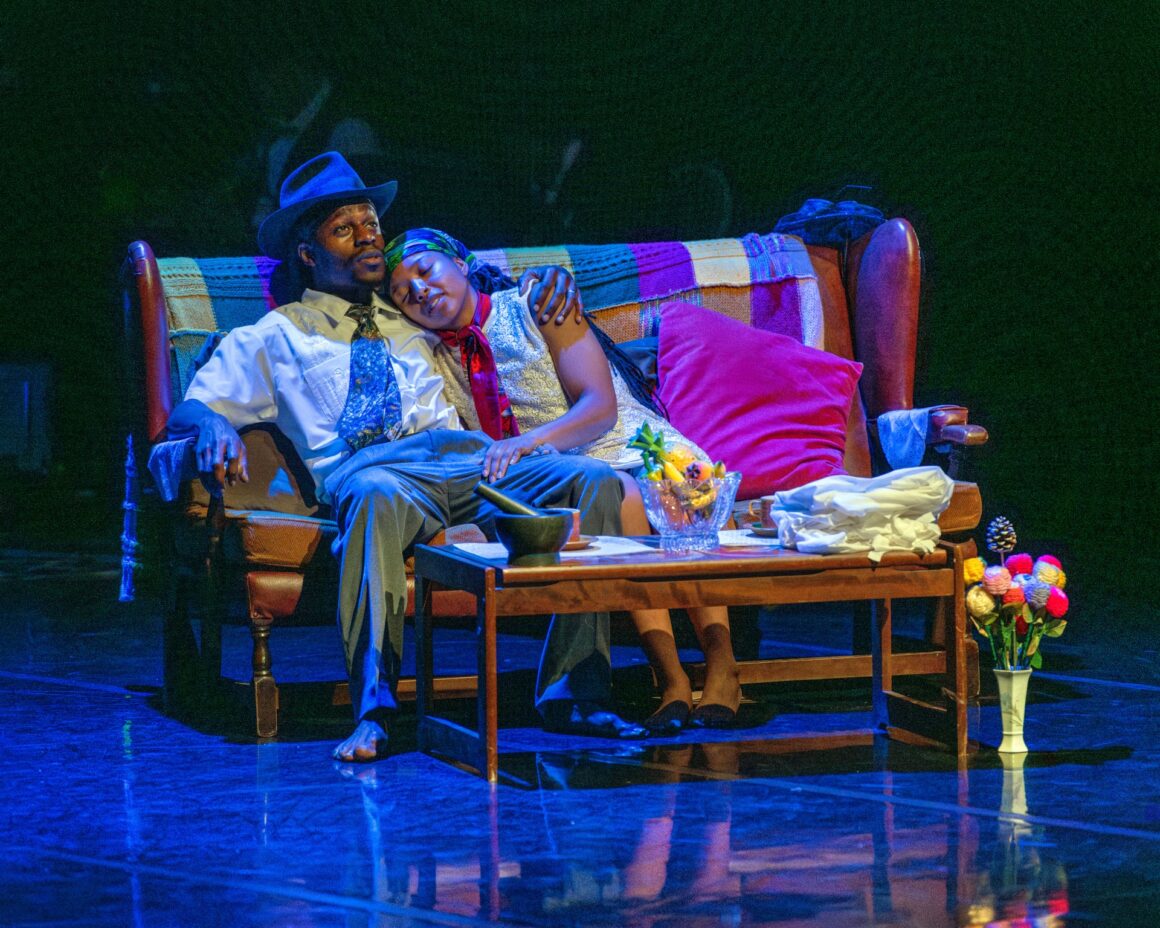
What makes Windrush by Song so affecting is its framing. The production is built around recorded conversations between generations, allowing Sorel and Ginger to tell their own story. As we hear their memories, we simultaneously watch those memories come to life on stage. The result is intimate and deeply human. These aren’t distant historical figures; they are grandparents, parents, neighbours and friends. Their experiences feel immediate and personal.
At its heart, this is a love story. We witness the sweetness of a young couple falling for one another, their playful courtship, their hopes for the future and their determination to build a life together. One particularly charming sequence, ‘By the Sea’, captures the innocence and joy of those early days and provides some of the production’s most tender moments.
Yet alongside that warmth sits a far more challenging story. Like many who answered Britain’s call to help rebuild the country after the Second World War, Sorel and Ginger arrive filled with optimism and excitement. Through stirring music and heartfelt storytelling, we see their belief in the promise of the so-called “Motherland”. However, that hope is gradually confronted by the reality of racism, exclusion and prejudice.
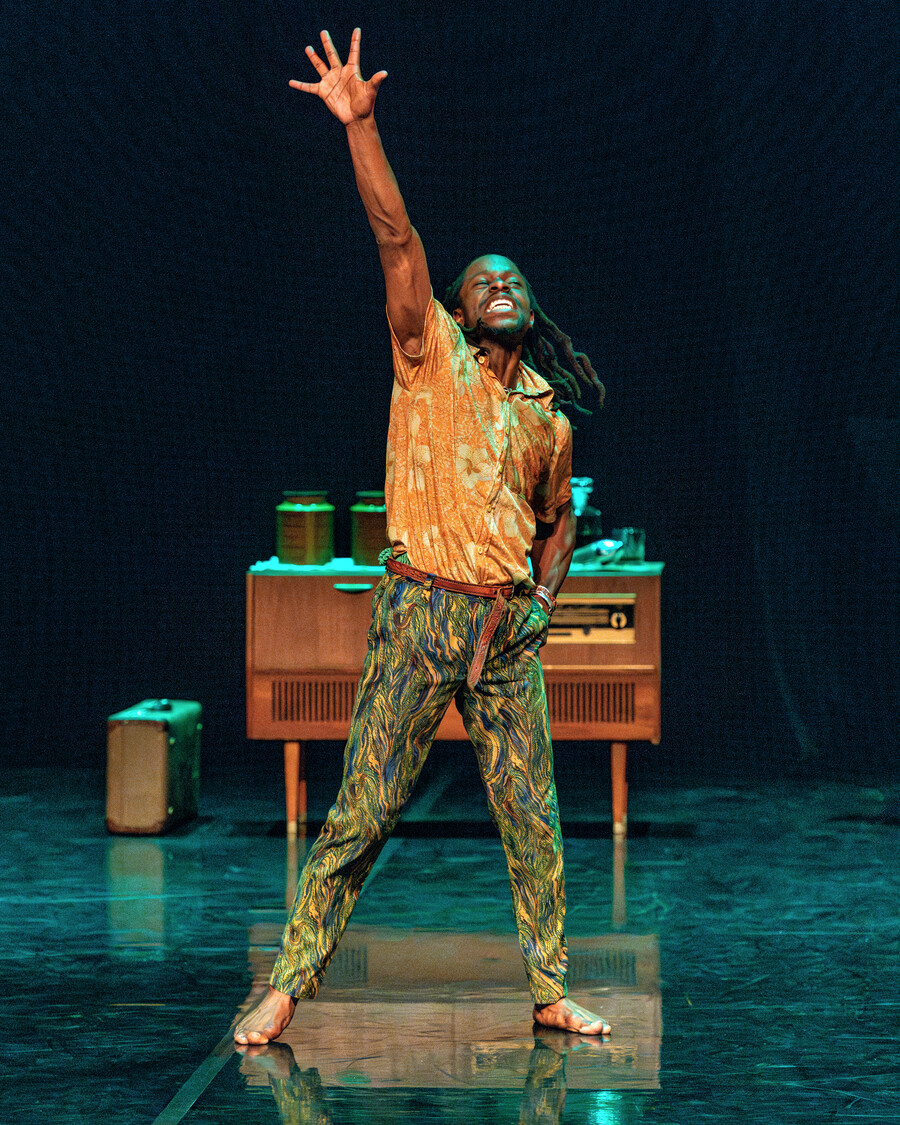
The production doesn’t shy away from these darker truths. It highlights the painful disconnect between what many Caribbean migrants were led to expect and what they actually encountered on arrival. Moments of discrimination land heavily, not because they are sensationalised, but because they are presented through the lived experiences of ordinary people trying to build a better future.
What prevents the show from becoming overwhelmingly sombre is the sheer joy woven throughout it. Humour, family, faith, music and community shine through every scene. The production celebrates Caribbean culture just as much as it documents hardship, and it is this balance that gives the piece its emotional power.
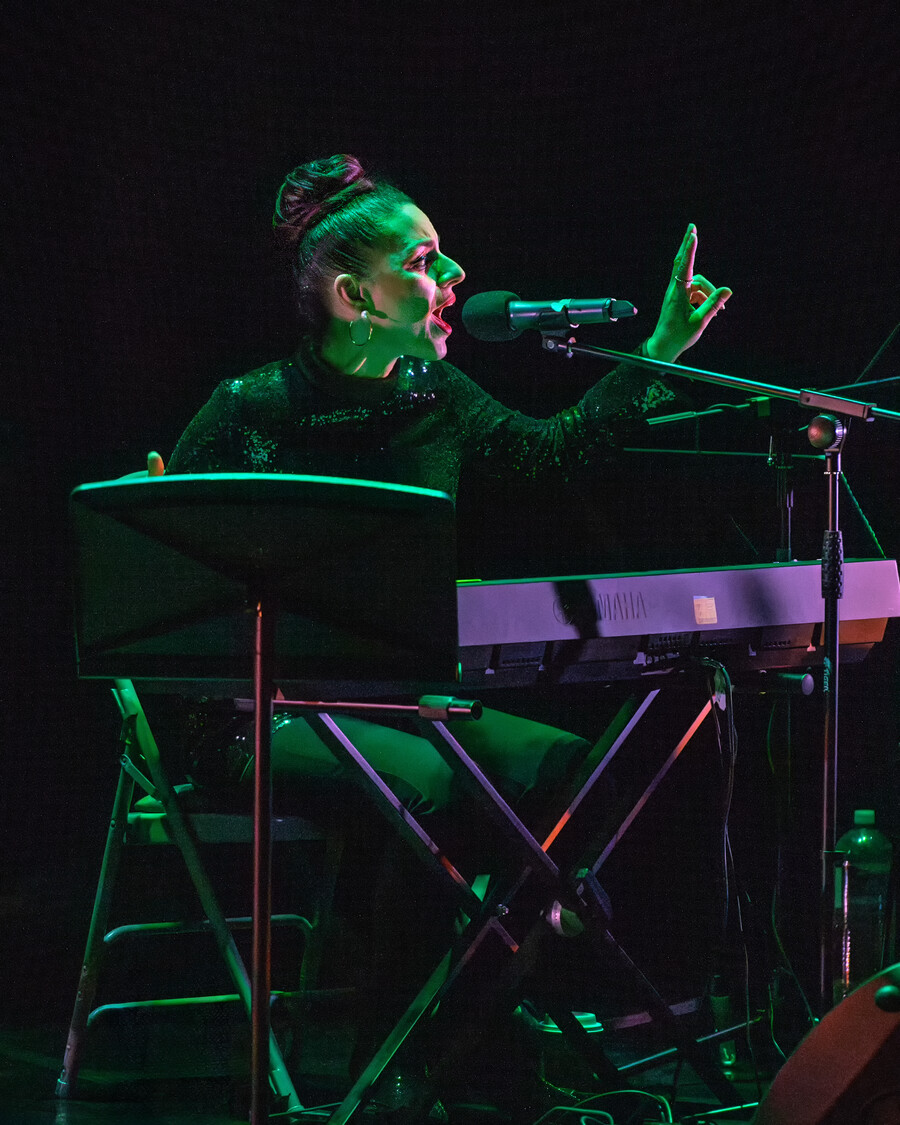
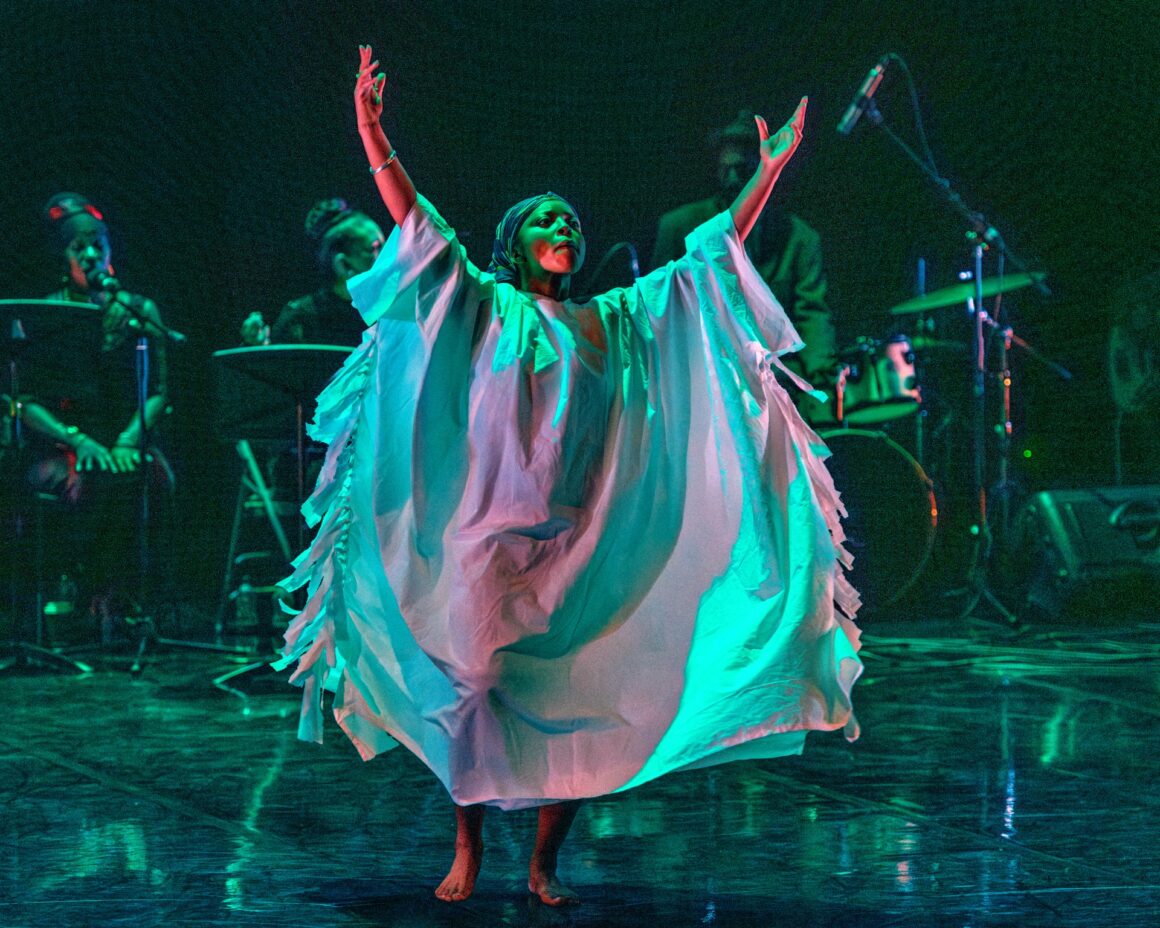
Musically, the show is exceptional. The onstage band provides a rich and vibrant soundtrack, blending gospel, Caribbean rhythms and folk influences into something utterly captivating. Featuring guitars, keyboards, bass, double bass, steel pan and hand percussion, the musicians create a glorious soundscape that feels as much a character in the story as the performers themselves.
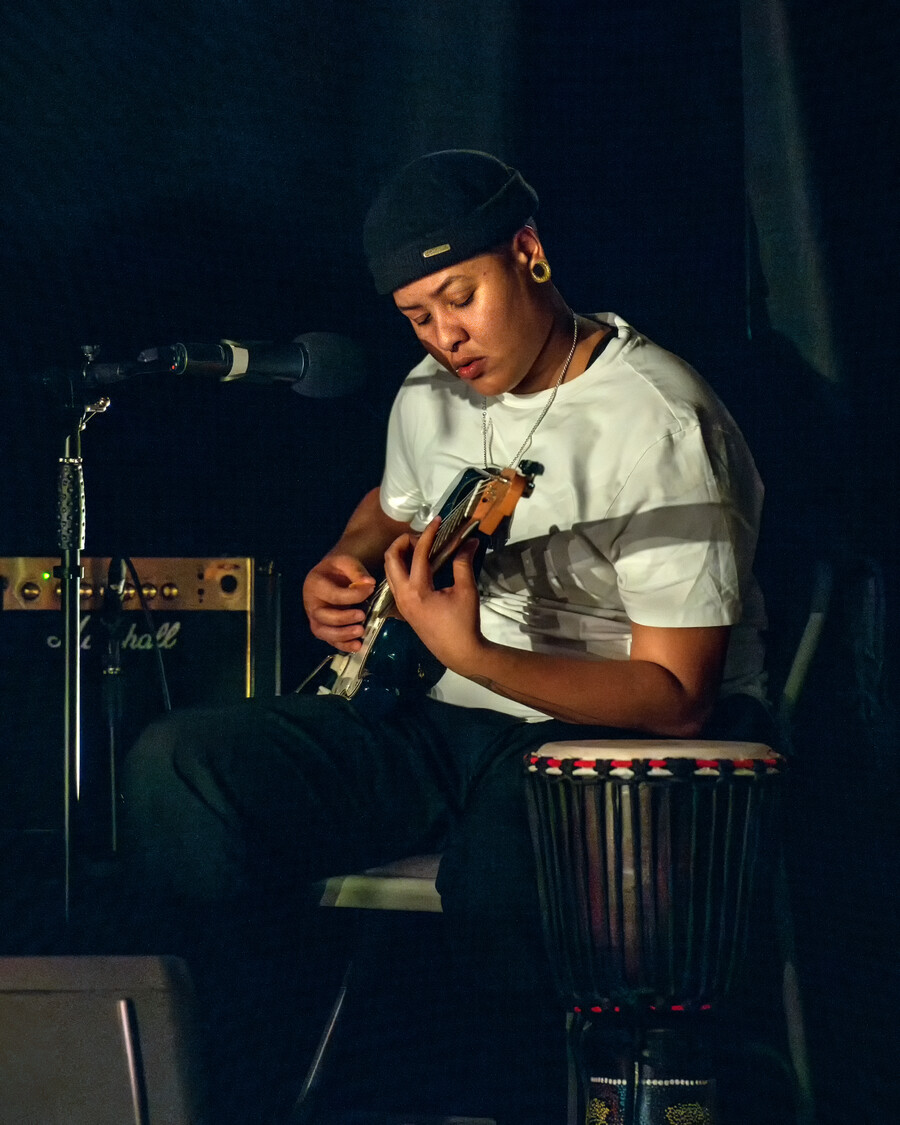
The standout musical moment is undoubtedly “River Jordan”, a soaring gospel number that perfectly captures the excitement, hope and anticipation of those preparing to leave everything they know behind. It is a genuinely uplifting sequence and one of the most memorable moments of the evening.
Alongside the music, the choreography plays a vital role in the storytelling. Much of the couple’s emotional journey is expressed through movement rather than words, with dance conveying everything from romance and joy to separation and struggle. The physical storytelling is elegant and often beautiful, adding another layer to an already richly textured production.
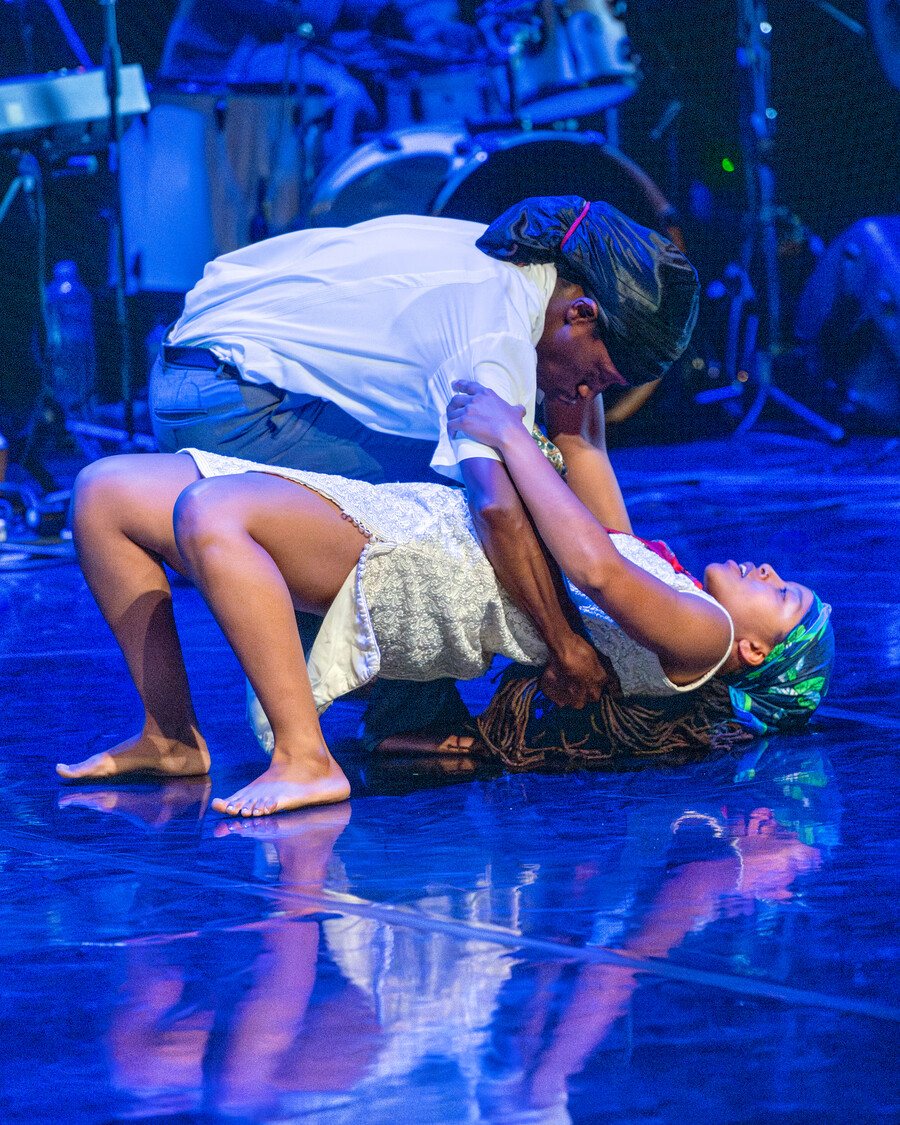
There are a few moments where the pace dips slightly. One scene involving a drunken return home loses some of the momentum established elsewhere, and on opening night there were occasional microphone crackles and sound issues. However, these are minor concerns in a production whose strengths far outweigh its imperfections, and technical glitches are likely to be ironed out quickly.
Perhaps the most striking aspect of Windrush by Song is its cultural importance. At a time when conversations around immigration, identity and belonging continue to dominate public discourse, this production serves as a timely reminder that history is not abstract. The Windrush generation helped shape modern Britain, and their stories deserve to be heard, preserved and understood. By placing personal experiences at the centre of the narrative, the show encourages empathy rather than judgement and understanding rather than division.
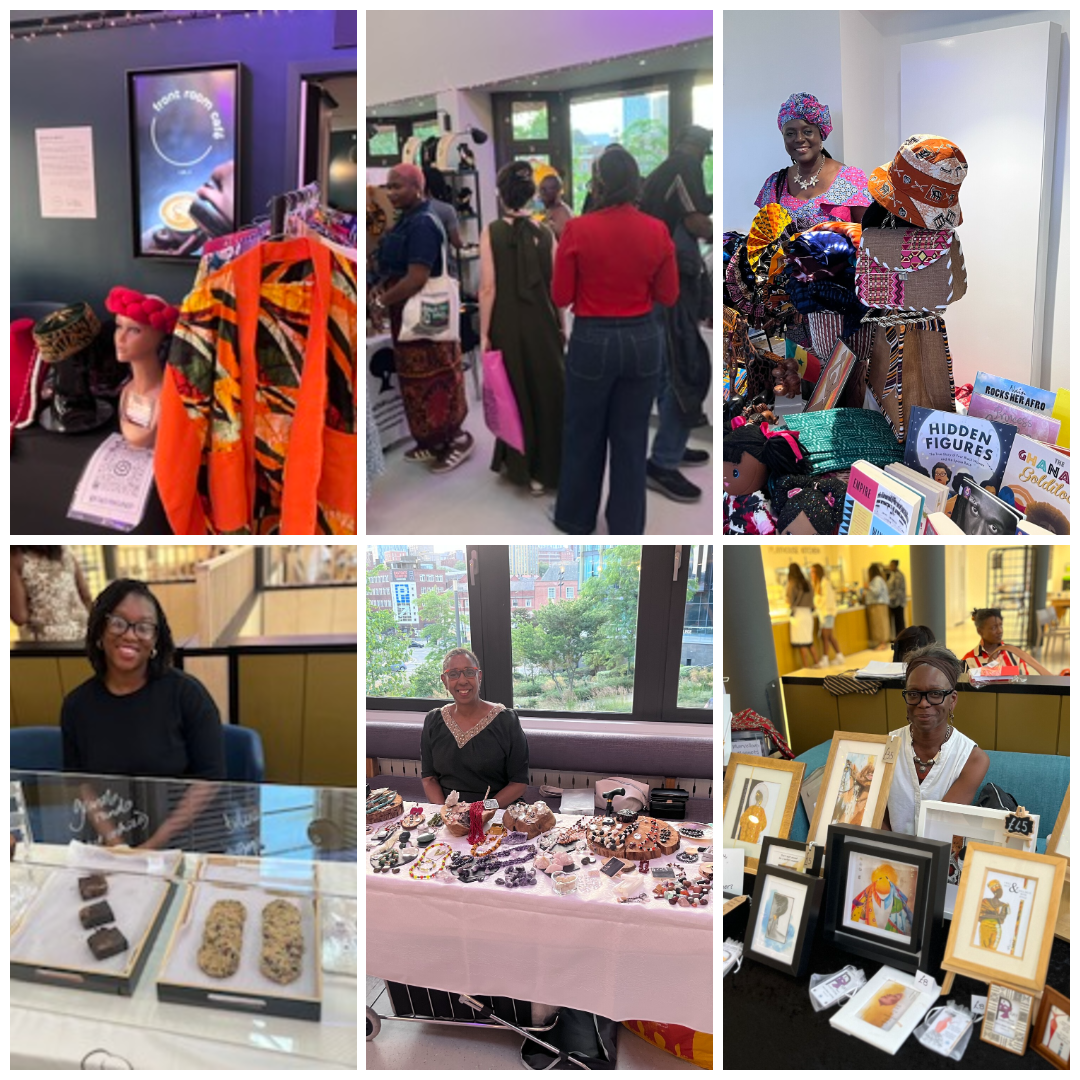
The celebration extends beyond the stage itself. Before the performance, during the interval and afterwards, Leeds Playhouse’s foyer was alive with Caribbean music, stalls and a genuine sense of community. It felt less like attending a theatre performance and more like participating in a cultural event. There was a palpable warmth throughout the building and a wonderful sense of Leeds embracing and celebrating the diversity that enriches the City. That spirit of togetherness is exactly what Windrush by Song captures so beautifully.
If you enjoyed Small Island, or if you appreciate theatre that combines live music, dance and powerful storytelling, this is well worth seeing. More than that, it is a reminder of why theatre matters: preserving stories, celebrating cultures and helping us better understand one another. Warm, uplifting and deeply important, Windrush by Song is both a celebration and an act of remembrance…ensuring that the voices of the Windrush generation continue to be heard by generations to come.
It’s the last night tonight! Tickets are available here.
Photography by Ant Robling unless otherwise captioned.