People make places. Bradford 2025, the yearlong City of Culture celebration, has put people at the heart of the project. Nationhood: Memory and Hope at the Impressions Gallery explores portraiture, community and Britishness in the 21st Century.
Impressions Gallery sits in the centre of Bradford City Square, overlooking the Mirror Pool, which when I visited on one of the sunniest days of the year, was full of children paddling, splashing and laughing.
Impressions, despite its central location, is often missed by visitors and residents, so it was good to hear that footfall has increased following the staging of this important exhibition. For lovers of photography, Impressions is a must visit, the first photography-specific gallery opened outside London.
In an age of digital enhancement and AI, portrait photography can seem a dying art. This exhibition shows how modern media can be embraced but also how photography of ordinary people says a lot about society and continues to be relevant. The diversity of British society is embraced through the medium of photography.
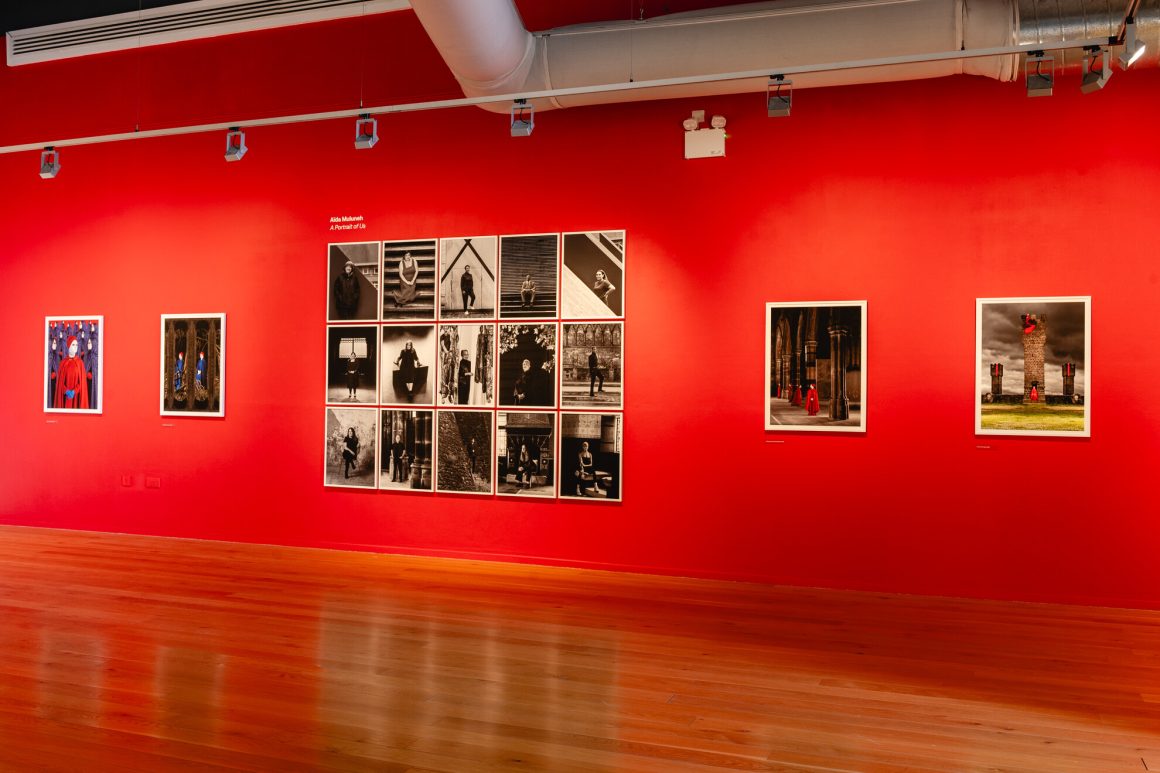
At the heart of the exhibition is The Necessity of Seeing, a major new collection of constructed images by the acclaimed Ethiopian photographer Aïda Muluneh. Her brightly coloured montages borrow from film production. The primary colours used reference the bright colours of Ethiopian churches, whilst filmic elements include a model, make up, costume, props and stage lighting. The framework in these photographs connect to both the lives of unsung heroes Muluneh photographed in Bradford, Cardiff, Belfast and Glasgow, and to wider social issues. One wall has her bright images surrounding a matrix of black and white photos of these community heroes.
The exhibition has been developed in partnership with Belfast Exposed, Ffotogallery in Cardiff, and Street Level Photoworks in Glasgow: bringing together all four nations. After closing in Bradford, the exhibition will head to Belfast, then to each of the other collaborating institutions.
This is the first time Muluneh has worked in a country where she has not lived. Curator Anne McNeill believes that this has given Muluneh fresh insight into the people she has met and places she visited. The black and white photos of her British sitters show the care she has taken to understand them. The pose of each is unique and says much about the person. Whilst her constructed images reflect their lives, passions and geography. The megaphones in Solidarity Forever, connect to a sitter who is a trade unionist, whilst Glasgow is conjured by a Charles Rennie Mackintosh backdrop in Present Past.
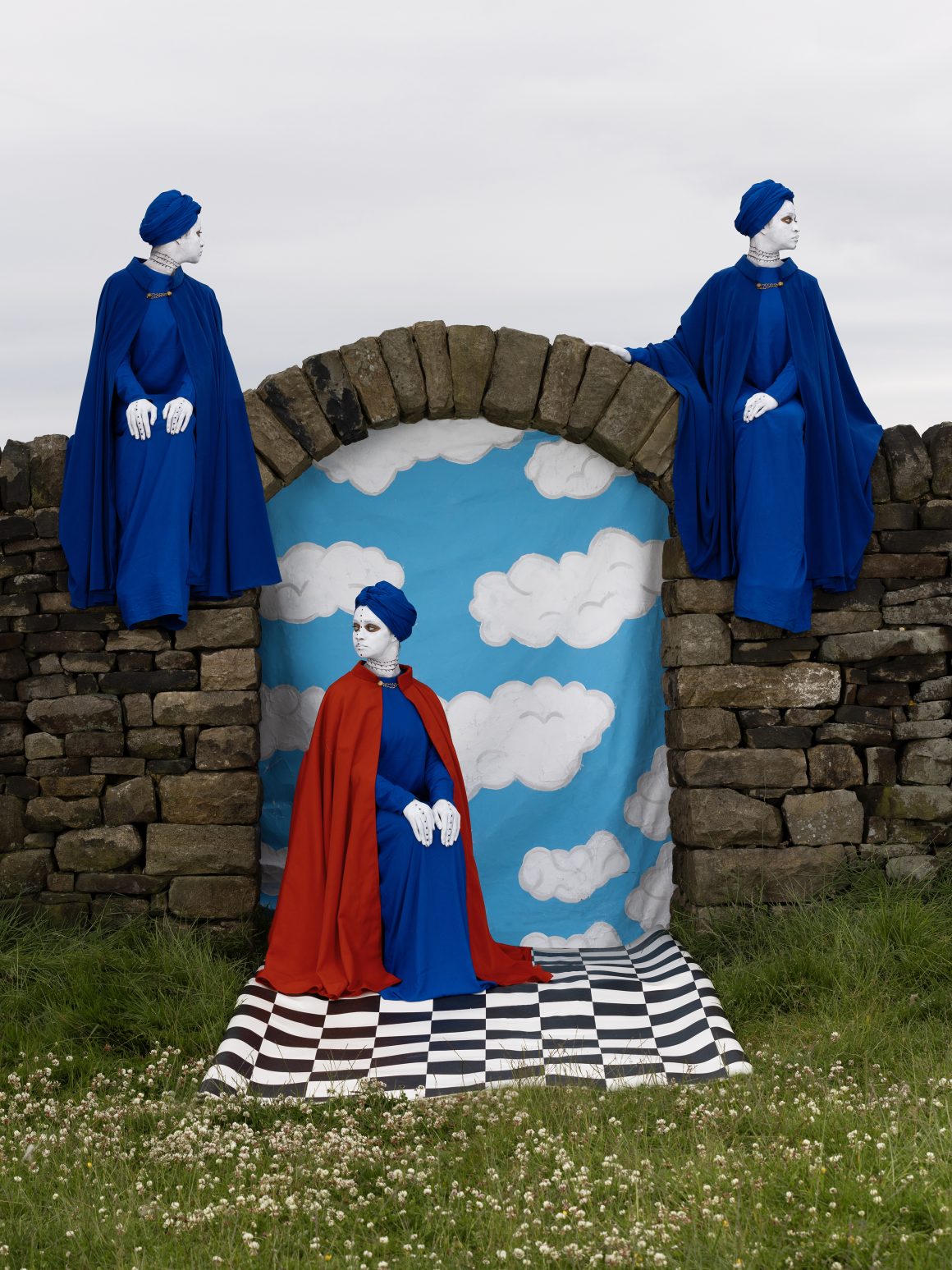
Image: ‘The Edge of Tomorrow’s Memory, 2024’ part of ‘The Necessity of Seeing’ collection © Aïda Muluneh courtesy Bradford 2025 UK City of Culture and Impressions Gallery.
Alongside Muluneh’s photographs, work by emerging artists from all four nations is exhibited. Chad Alexander explores the transformation of the Tropicana in Dungannon, from an Irish National Foresters club into a vibrant multicultural community hub Robin Chaddah-Duke reunites 1970s stalwarts of The Parade Community Education Centre in Cardiff to recreate a group portrait, and Grace Springer showcases the vibrancy of community game changers from the City’s African and Caribbean diasporas.
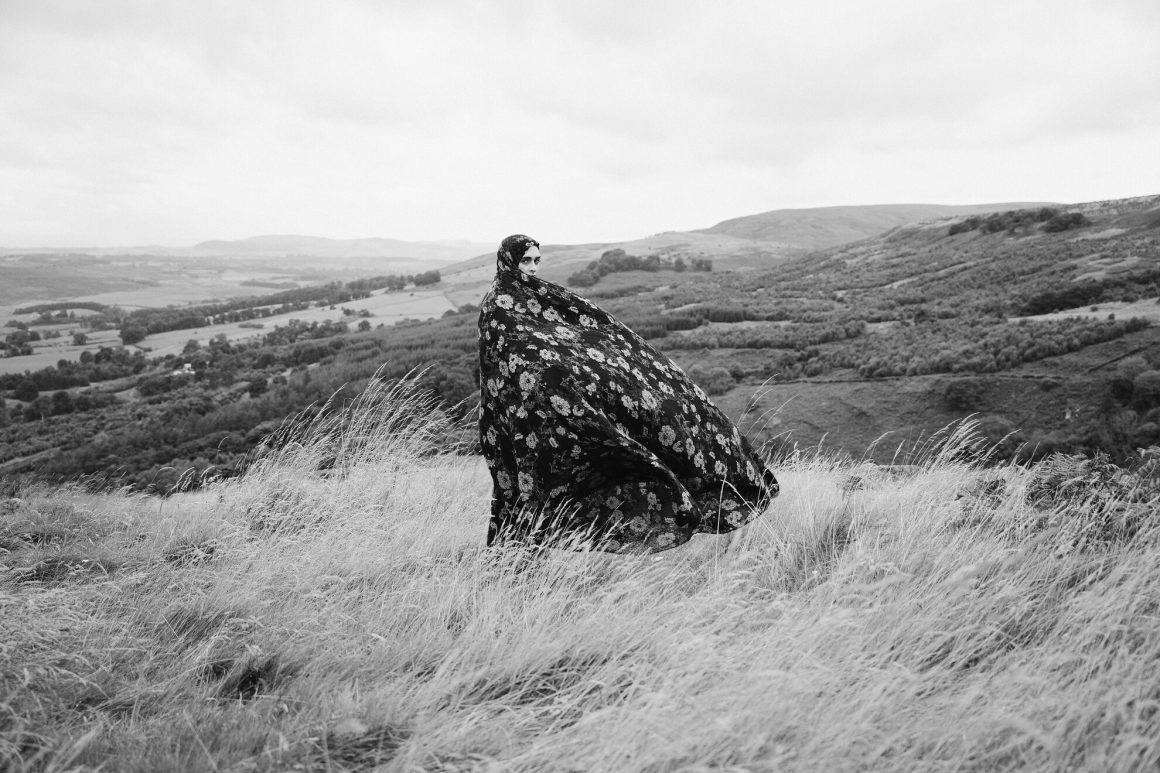
Scottish contributions see Miriam Ali spotlight grassroots activists from community organisations in Glasgow, while the photographs of Haneen Hadiy view the beauty of Scottish landscapes through the lens of Islamic symbolism. Her models in their flowing abaya, hijab and burkas appear completely at home on the windswept hillsides.
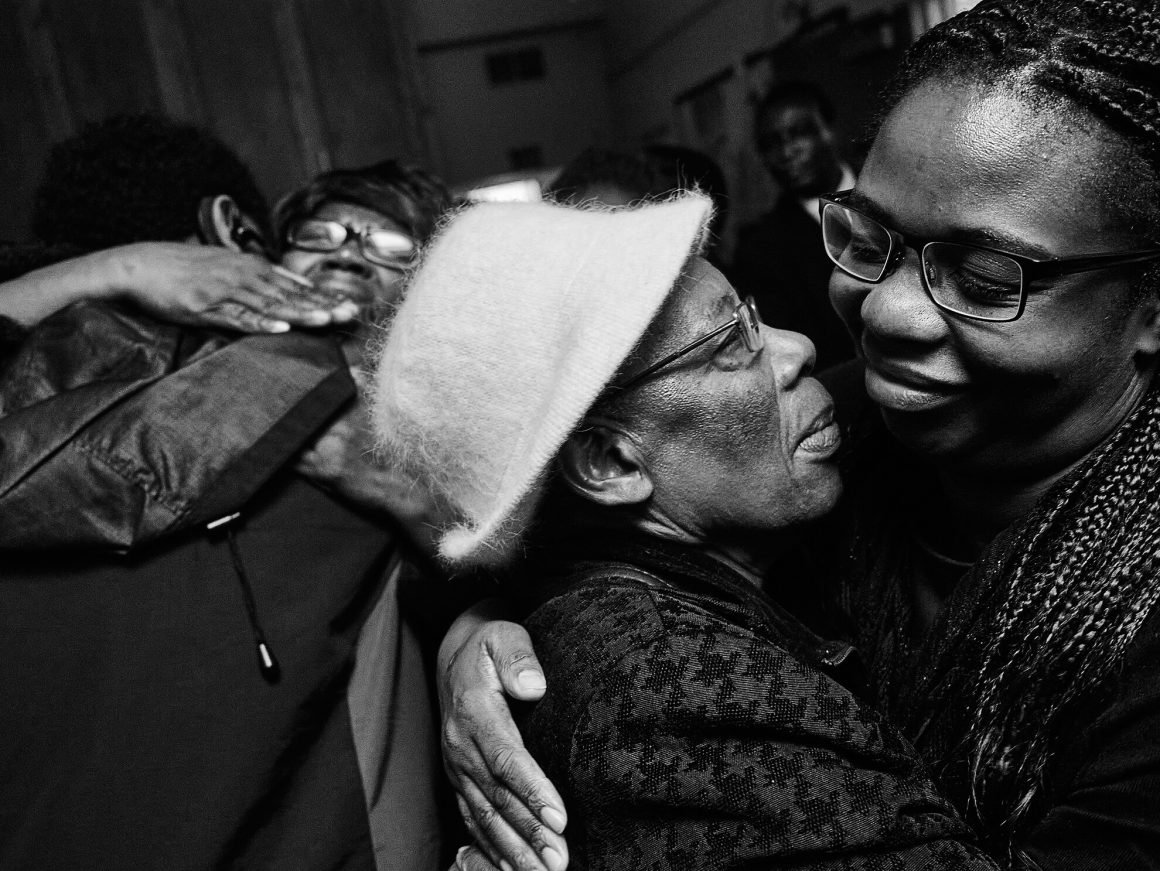
Two Bradford artists, both of whom studied at Bradford College, display portraits of local people. Shaun Connell pays tribute to his Jamaican mother and other Christian faith believers in Bradford. His photos emit a sense of community and support that goes beyond their religious roots. Roz Doherty captures the energy and uncertainty of youth in a new set of studio portraits, which sit alongside portraits of her parents. An accompanying manuscript gives each sitter’s responses to a set of questions about Bradford.
All except one person replied to the question, ‘What bugs you about Bradford?’, with the response ‘negativity.’ Sometimes the negativity of people who live in the City but often that ‘Bradford consistently has a bad reputation from outsiders.’ The one person who did not talk about negativity is a wheelchair user, who was more concerned with limited nightlife opportunities. Where social media commentators often describe Bradford as dangerous, she described it as ‘her safe place’, that is becoming better as more of the City Centre is becoming pedestrianised and accessible to her.
Doherty’s sitters generally were hopeful about the impact of the City of Culture, that the City’s ‘history and architecture would be appreciated more widely’, that ‘more people will visit’, and in the words of a Canadian now living in Bradford, that people would realise, ‘it is a very friendly place.’
This is an exhibition with breadth and depth. Different photographic styles, different communities and supporting commentaries make this an exhibition to linger over. It is also beautifully presented. Bold-coloured walls emphasise the filmic quality of Muluneh’s work. Portraits in galleries are often displayed in one linear line, but here they are broken up with each artist’s work being displayed in a different formation. McNeill’s curation is a lesson in how good display can draw you into an artist’s world.
This is the last weekend of Nationhood: Memory and Hope at Impressions – it closes on April 26th. As it tours the country, it may just bring some more positivity towards Bradford.
Impressions Gallery, Centenary Square, Bradford BD1 1SD www.impressions-gallery.com