A powerful story of resilience, connection and the struggles that shape us.
There’s something genuinely special about Small Island at Leeds Playhouse…a production that feels both epic in scale and intimate in its storytelling. It’s a faithful retelling of a much-loved book, which captures the warmth and power of its characters whilst introducing a fresh, creative perspective that makes it a fantastic theatrical experience.
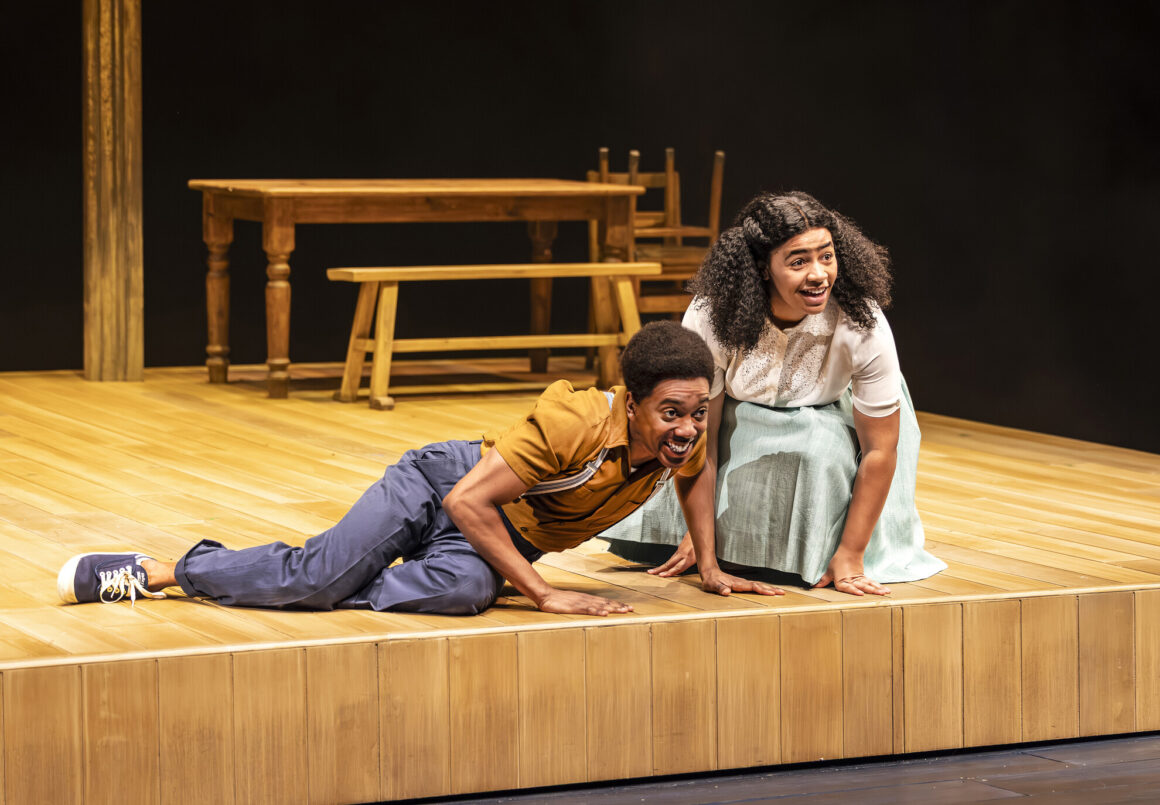
Based on the award-winning novel by Andrea Levy, first published in 2004, it tells the story of the Windrush generation, who travelled from the Caribbean to Britain after World War II to help rebuild the country. It follows Hortense and Gilbert’s journey from Jamaica to post-war London, alongside Queenie’s English experience on the home front, offering multiple perspectives on a changing society. At its core, this is a story of migration, identity, love and misunderstanding.
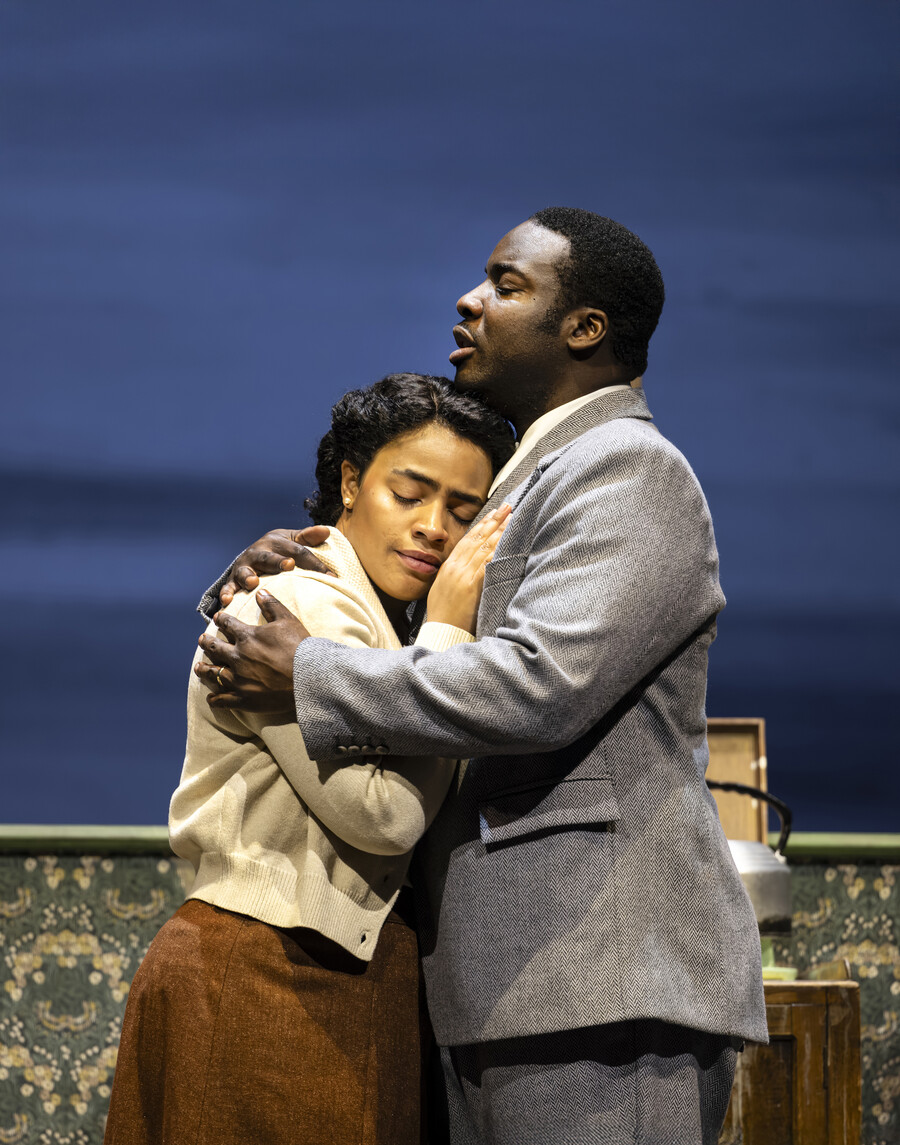
A real skill of this production is its ability to balance humour and heartbreak perfectly. There are plenty of laugh-out-loud moments, often driven by character dynamics, but these never undercut the weight of the story. Instead, they deepen it. The relationship between Hortense and Gilbert is particularly beautifully realised: beginning with sharp sarcasm and a sense that they simply don’t fit, it gradually evolves into something far more tender and complex, rooted in mutual understanding. Around them, the world shifts: war, displacement and prejudice shaping their experiences. However, the storytelling remains clear, sensitive and emotionally grounded.
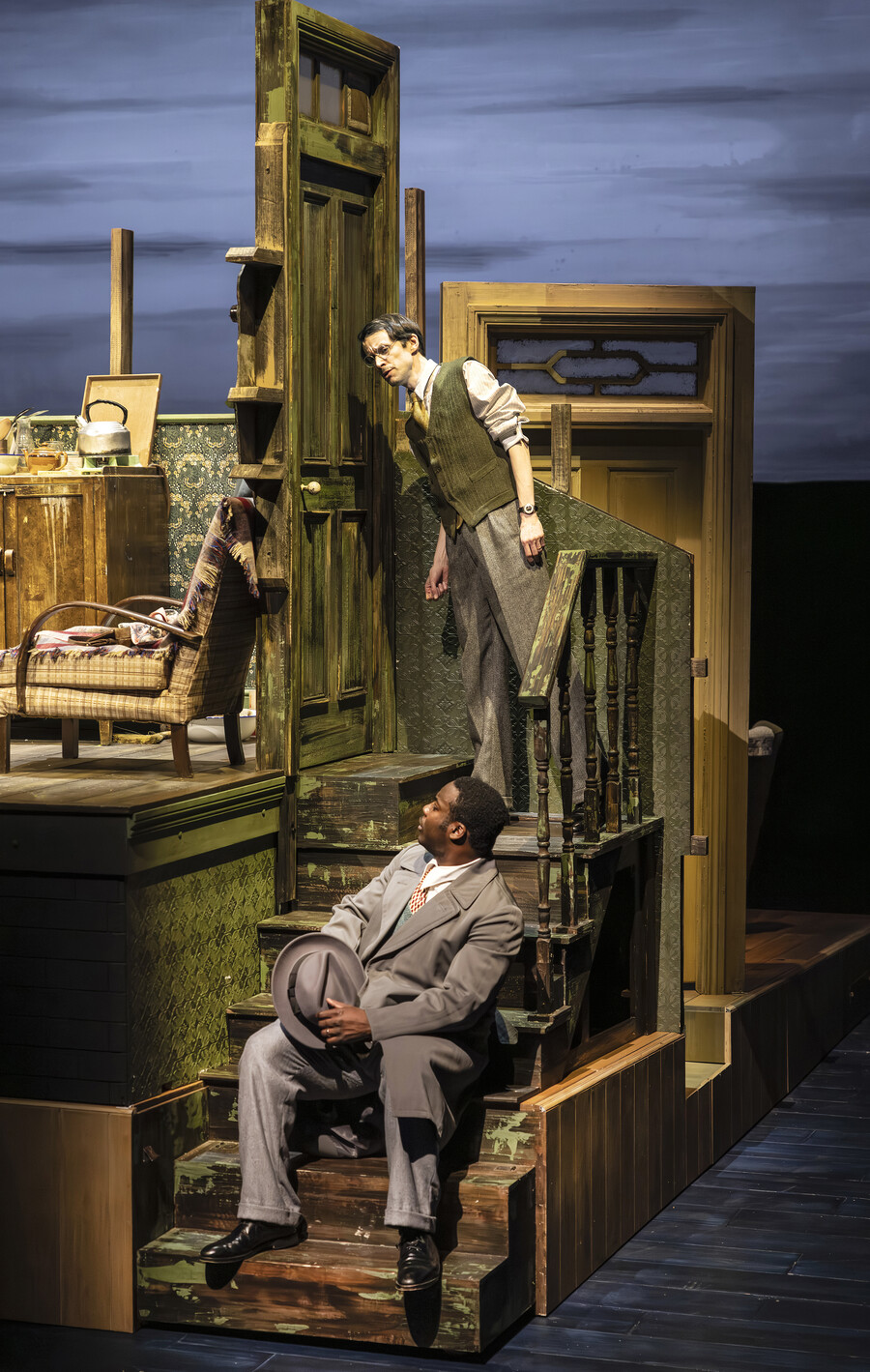
One of my favourite elements of the show was the use of a large video screen, regularly descending to show original archival footage from the 1940s, particularly wartime Britain. It was incredibly powerful and poignant, grounding the story in real history and making its impact feel immediate and personal. Alongside this, the music is a real standout: beautifully woven throughout, it subtly shapes mood, drives pace and adds an emotional undercurrent that keeps the production feeling alive and immersive from start to finish. As a long production of almost 3.5 hours with the interval included, the combination of these elements ensured that I wasn’t once drawn to look at my watch, being absorbed in the action at all times.
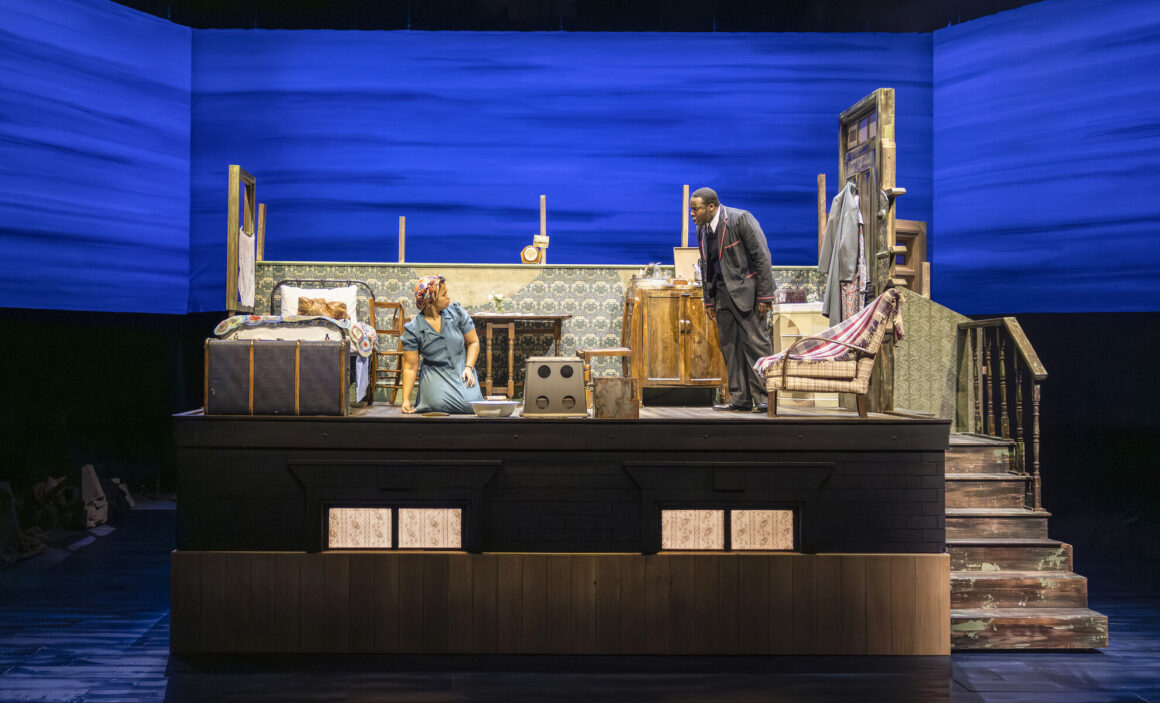
The performances are a huge part of what makes this production so compelling. Anna Crichlow’s Hortense is outstanding, charting her journey from innocent, hopeful girl to a more rigid, sharp-edged adult with remarkable precision. There’s a delicacy to her early portrayal that makes her later steeliness all the more striking, and her physical and vocal ageing is handled brilliantly. Opposite her, Daniel Ward’s Gilbert is a joy: warm, engaging and consistently charming, with a portrayal that feels even more immediately likeable than in the novel. Their dynamic is full of humour and friction, but also real emotional depth as their relationship grows.
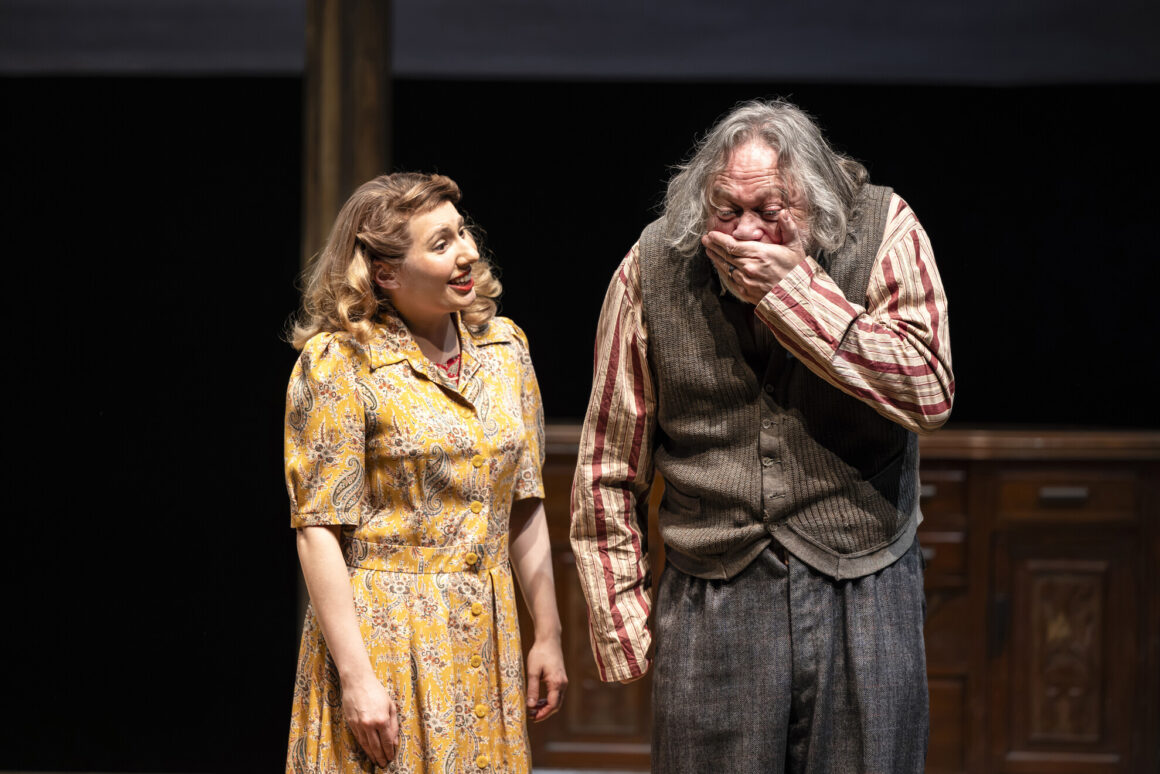
Bronte Barbé brings a wonderful lightness to Queenie, her open-hearted, slightly chaotic warmth making her instantly endearing. She’s a beautifully drawn character: kind, flawed and full of life, and every appearance lifts the stage. And then there’s Paul Hawkyard as Arthur, who achieves something quite extraordinary: a performance containing not a single word that nonetheless dominates the first act. His physicality, timing and presence are so finely tuned that he becomes utterly compelling to watch.
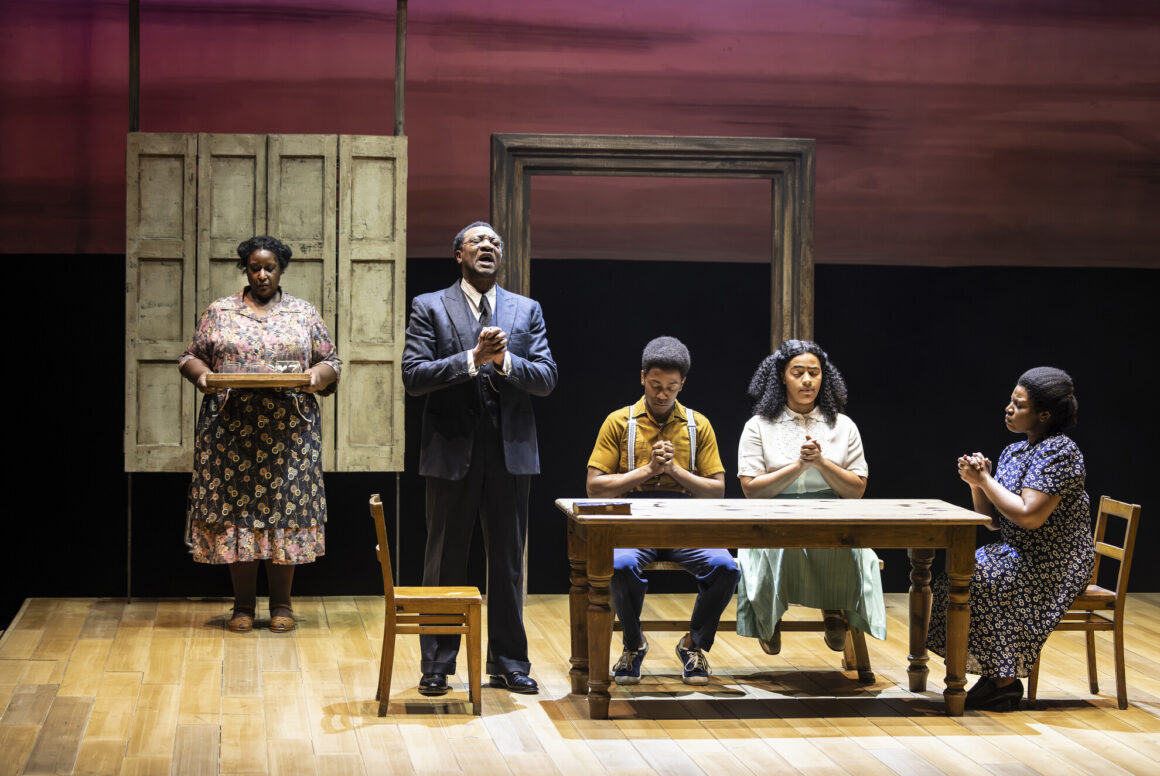
It’s also worth noting how the wider company contributes to the richness of the piece, with a strong ensemble that helps create a vivid sense of place and community throughout. Under the direction of Matthew Xia, the production feels assured and cohesive, blending technical elements and performance into something that feels both expansive and deeply personal.
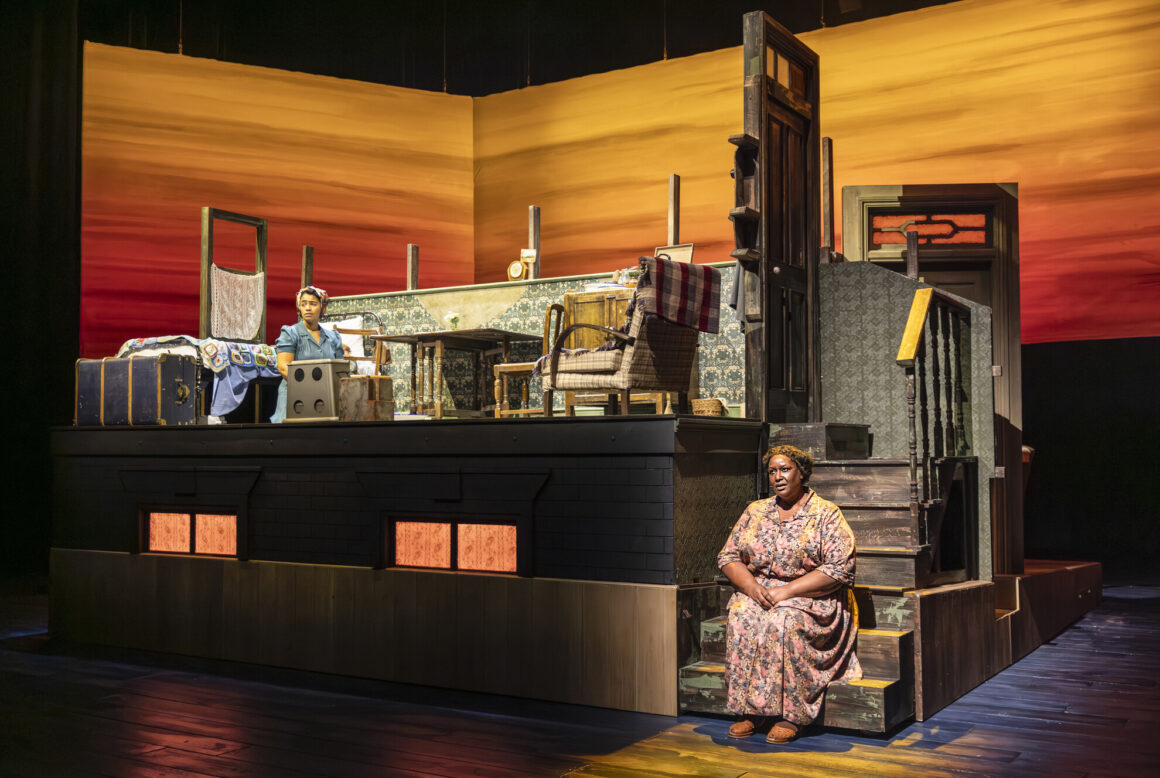
What stays with you long after the final moment, though, is the production’s quiet insistence on the strength of people when they come together. Amidst the prejudice, the ignorance and the systemic barriers these characters face, there is also resilience, humour and an undeniable sense of shared humanity. This is where the production really finds its power…not just in telling a story of the past, but in reminding us how much of it still echoes today. The themes of inequality and belonging are not confined to history; they are uncomfortably present, and this production doesn’t let us forget it. And yet, it never feels heavy-handed. Instead, it invites reflection through empathy; through connection to these characters and their journeys.
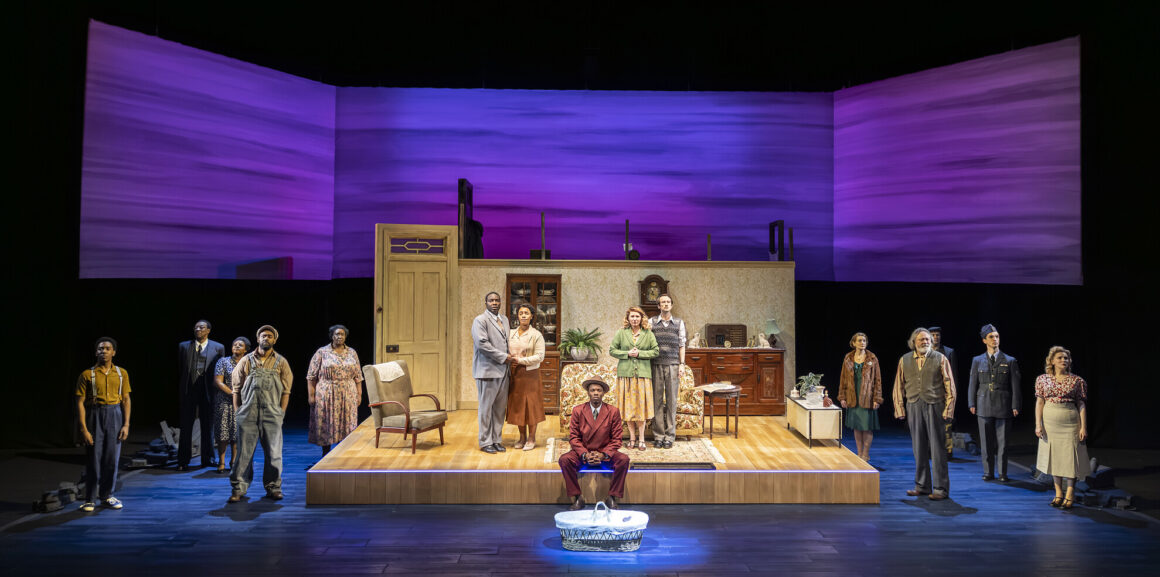
By the end, there’s a sense of having witnessed something both deeply personal and collectively significant. The layering of performance, powerful incidental music and those striking glimpses of real 1940s footage build towards something that feels almost communal in itself…an audience sitting together, absorbing a story about division but also about unity. It’s in those moments that the production feels at its most poignant: when it quietly suggests that change, understanding and progress don’t come from grand gestures alone, but from people – flawed, hopeful, resilient people – choosing to stand alongside one another.
It’s a beautifully faithful adaptation of a much-loved novel, but more than that…it’s a moving and meaningful piece of theatre in its own right: thoughtful, engaging and full of heart.
Photography by Pamela Raith. Main image: Jordan Laviniere Daniel Ward Gilbert and Everal A Walsh