The Art House in Wakefield holds attractive and interesting exhibitions. It is also home to many artists, a Gallery and Studio of Sanctuary and serves as a source of creative inspiration to many in the community.
I visited The Art House on March 26th to view two exhibitions. Portraits in Silence – The Symbolism of Identity by Christopher Hanson and Untouchable Utopia by Manish Harijan.
I was also welcomed into the studio space to admire the work produced by the refugee community.
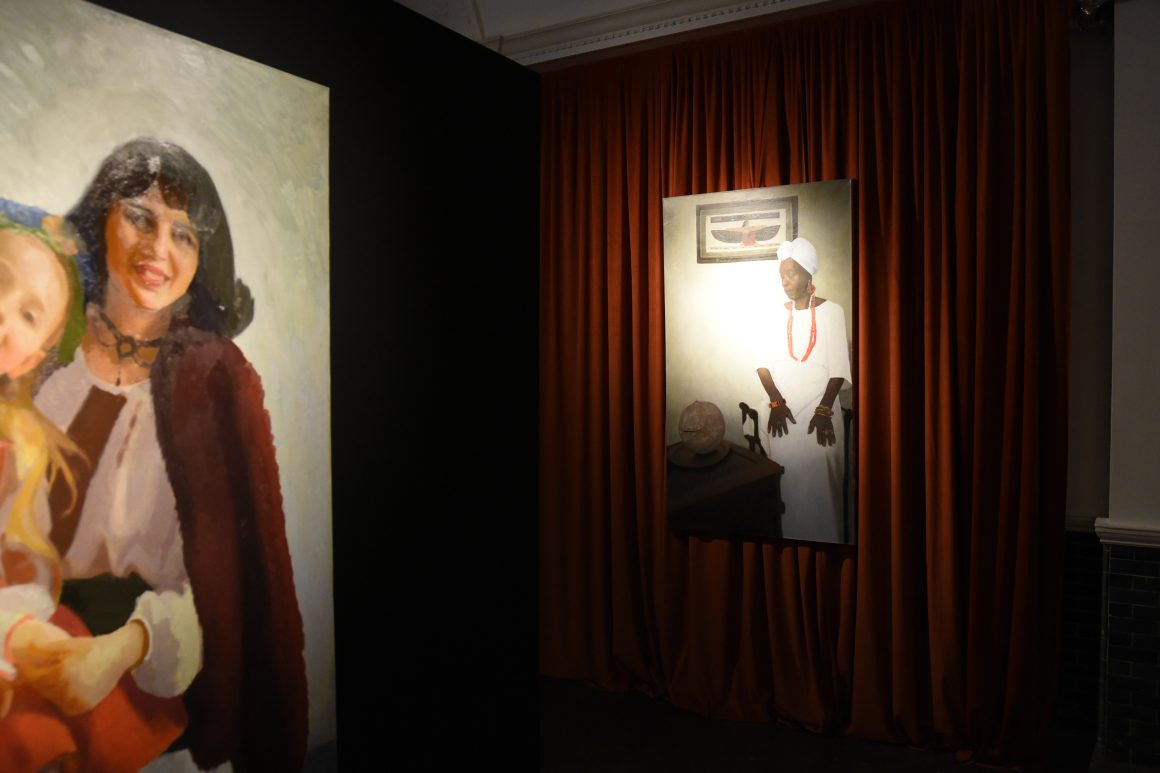
Hanson’s warm portraits feature friends, family and people he met in Wakefield whilst on residencies in 2022 and 2023. The Art House runs 50 artist studios, several of which are kept vacant to enable regular residencies. They also manage a few apartments in the same building, meaning that visiting artists can be fully supported and immersed in the local community.
Drawing on his unique experience as the first and only Black artist to graduate from the London Academy of Representational Art, Hanson’s work explores the beauty, fascination and complexity of Black and Brown bodies. In this new exhibition, he draws upon his classical training to enable viewers to see intimate stories of those historically excluded from classical painting or on the margins of society.
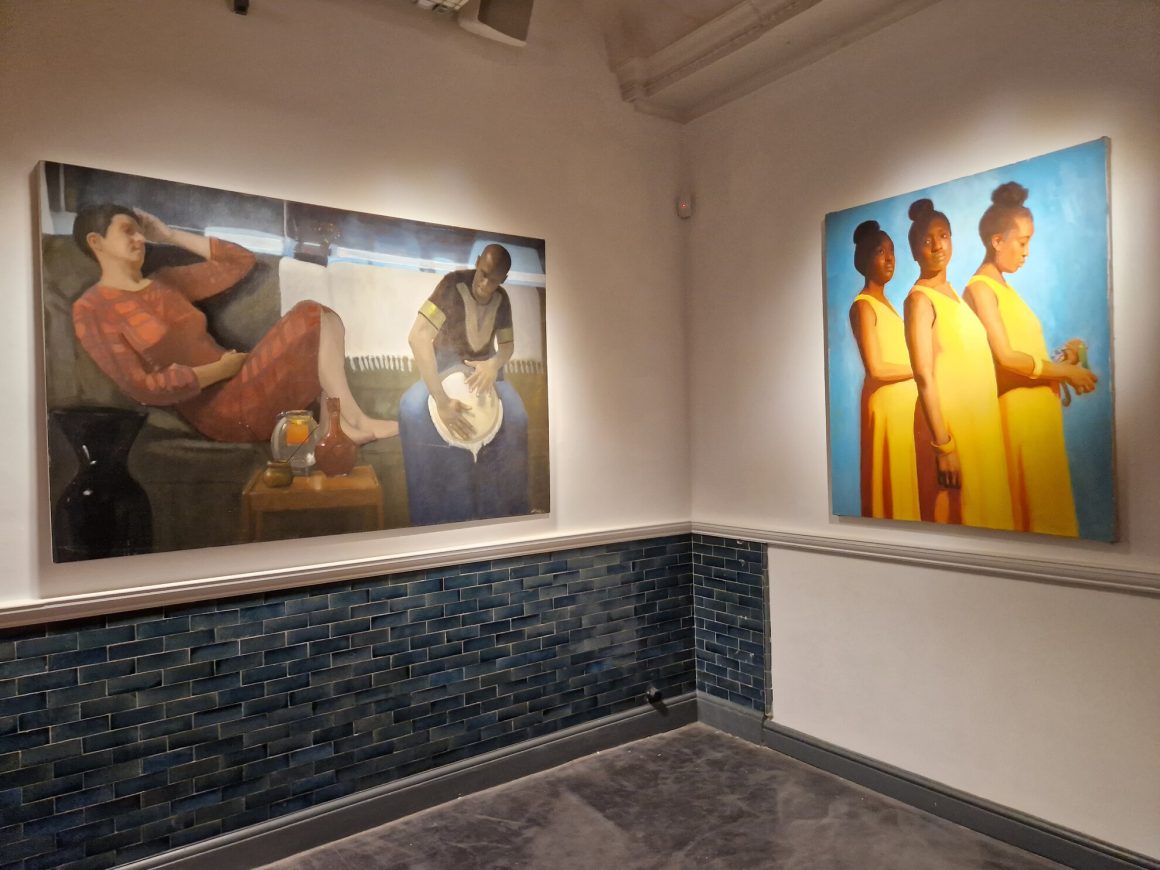
Hanson worked with the gallery’s Studio of Sanctuary, giving voice to those seeking sanctuary in the UK, bringing to light personal histories. It was lovely to meet Elena and her daughter from the Ukraine, posing in front of Hanson’s portrait of them. My favourite portrait was of a friend of Hanson’s playing drums, which managed to convey both energy and calm. The portraits appear to be painted with affection and portray mood as well as physique. One sitter is displayed in three stances in one portrait, each stance offering a different mood and facial expression. Hanson explained to me that the young woman was experiencing multiple sclerosis, the three images reflecting the changeable nature of the condition and its variable impact.
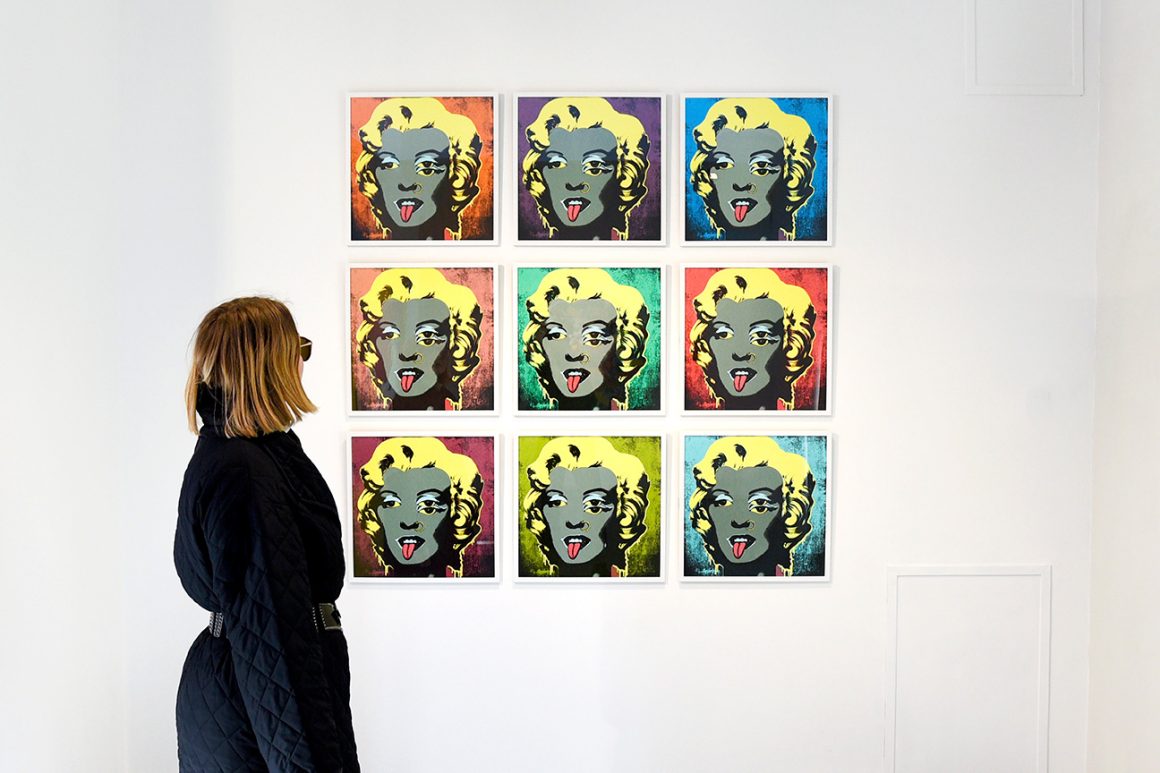
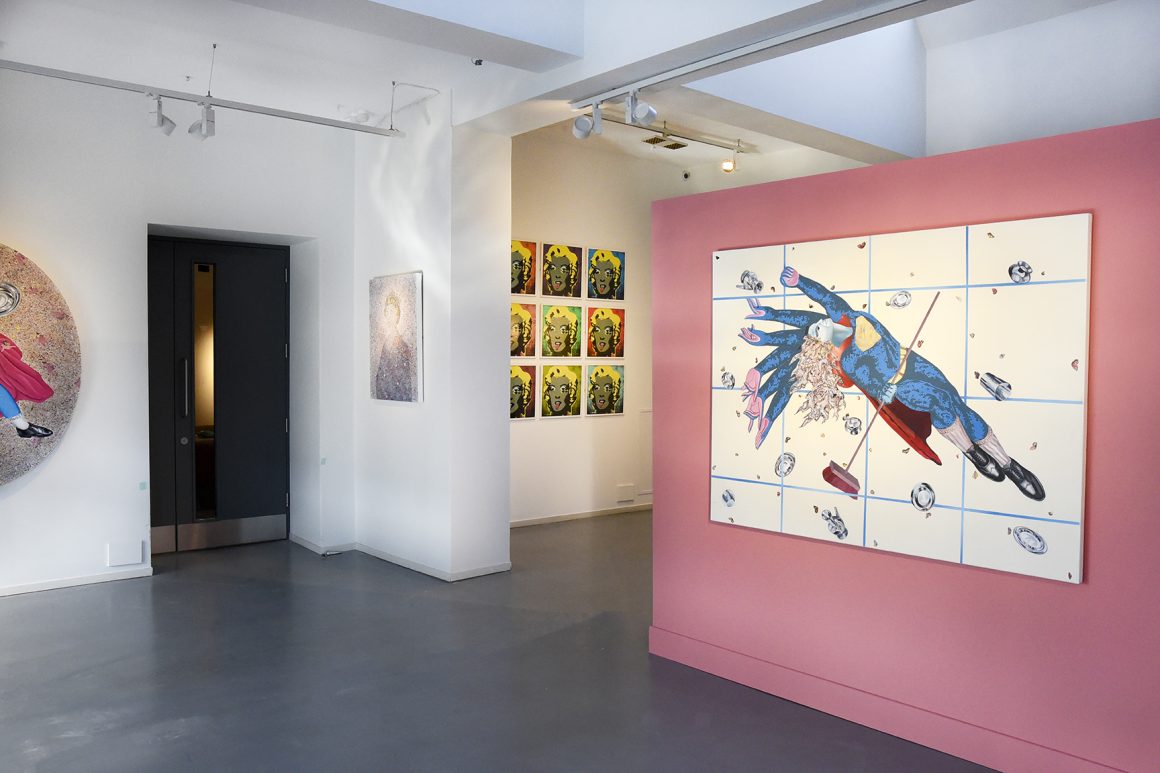
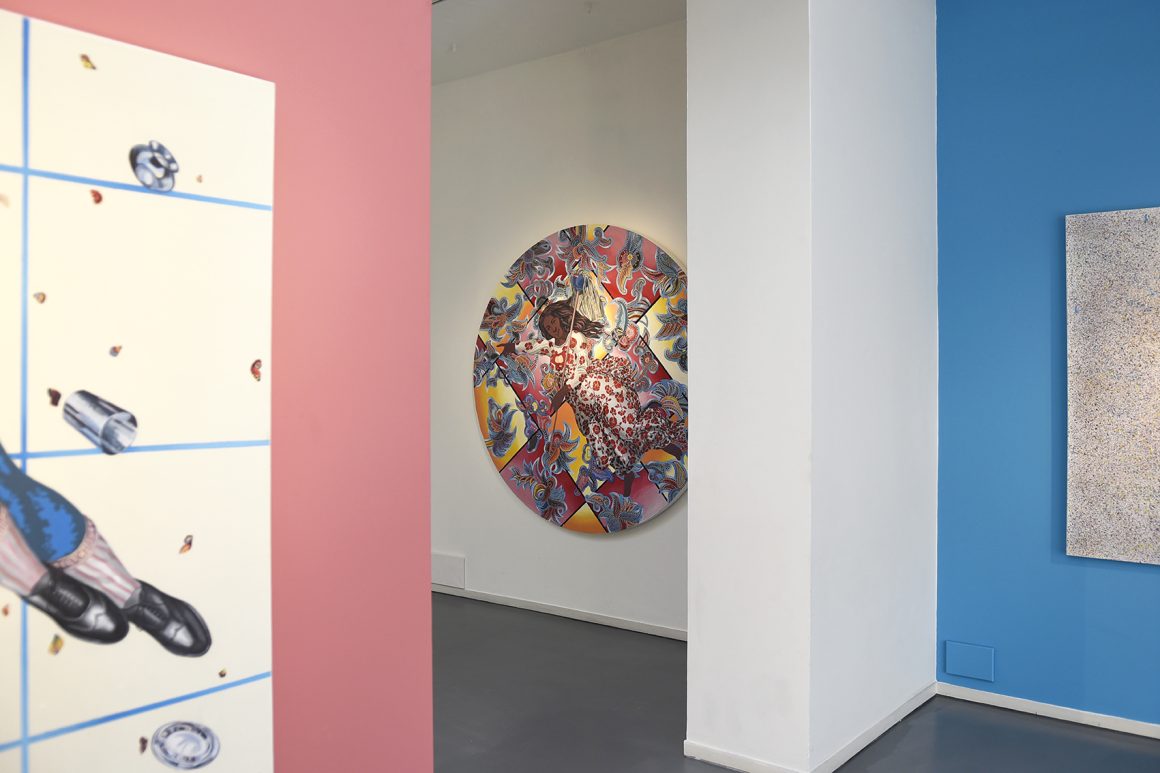
In Untouchable Utopia, Harijan draws upon Hindu iconography but then subverts it through references to pop culture. The outstretched tongue of Kali becomes a feature of a Warhol-based Marilyn Monroe montage. Caste is critiqued by the portrayal of low status workers as superheroes. His work fuses Eastern and Western influences, drawing upon Nepalese traditional art and combing it with manga and other modern graphic styles. The resulting work is bold, bright and thought provoking.
His practice addresses the ongoing issue of caste discrimination. As the son of a shoemaker from Nepal’s so-called lower “Dalit” caste, Harijan uses his art to highlight and act against injustice. In 2012, Harijan was forced to flee Nepal after facing violent backlash from his first solo exhibition, which reimagined Hindu deities as superheroes. He has since settled in Sheffield, but the ongoing challenges faced by refugees were highlighted by his physical absence from the exhibition as he had been advised to return to Nepal to resolve some administrative issues. Although rooted in his personal story and cultural influences, Harijan’s work highlights the struggles of minority communities worldwide.
It was a privilege to visit the Studio of Sanctuary space and see the art produced through the cross-fertilisation of artistic practice between refugees, artists and local community. Linda Fielding, Studio of Sanctuary Programme Coordinator, showed me the work produced in the Friday lunchtime Talk and Draw sessions and Tuesday’s Skill Share. I loved the Come Dine with Me frieze which had enabled workshop participants to share creativity and food culture.
Skills-share sessions encourage refugees to learn from one another. A calligraphy project had led to a banner with attendees’ names written in English, Fari and Mandarin. Knowledge of crochet had been shared to make woollen flowers.
The Art House is keen to put refugees in touch with the traditional skills they bring from their home countries. They may not have formal qualifications, but some bring a wealth of talent. One former skills-share participant now runs a tailor’s shop, having been helped to utilise his textile skills in a new setting.
The roots of The Art House began with the marginalisation of disabled artists. Initially set up to ensure that studio space was available for wheelchair users and other disabled artists, The Art House has always promoted inclusion. The Art House has a thirty-year history of challenging discrimination. Disabled access is still a big part of the offer with fully accessible ceramic, print and photography studios having been established.
OPEN DAY
If you want to see some of the artists at work, and the wonderful former Carnegie Library that houses some of the artists’ studios, then visit on the 26th of April when the The Art House is holding an Open
Studio Day.
Christopher Hanson: Portraits in Silence – The Symbolism of Identity until 10 May 2025
Manish Harijan: Untouchable Utopia until 24 April 2025
The Art House Open Studios: 26 April 2025 10:00 – 16:00,