It is ten years since the Treasures of the Brotherton Gallery opened. Their celebration exhibition, Who Am I to You? looks backwards and forwards.
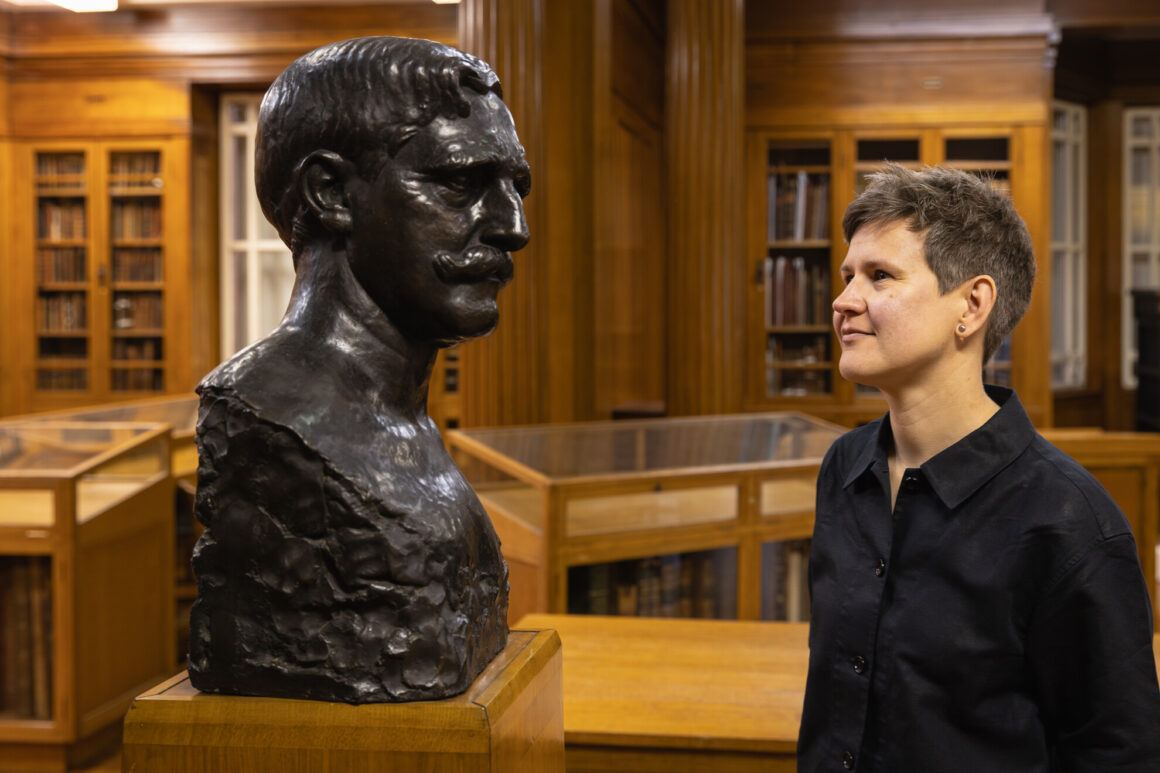
There are books in this exhibition, as befits a gallery set up to explore the archives of the Brotherton Library, but the dominant displays feature busts. These sculptures, many of which were scattered around the library, have been gathered together to tell the story of the university, but also to help us reflect upon the values of the past, present and future.
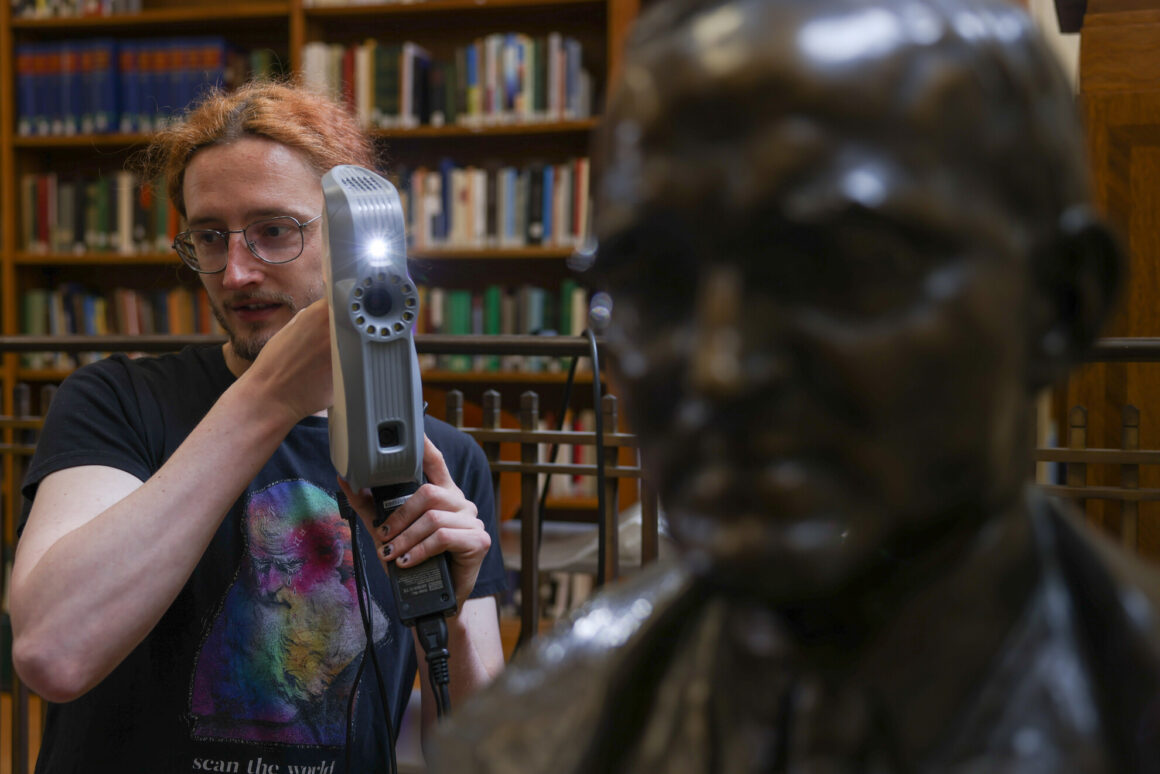
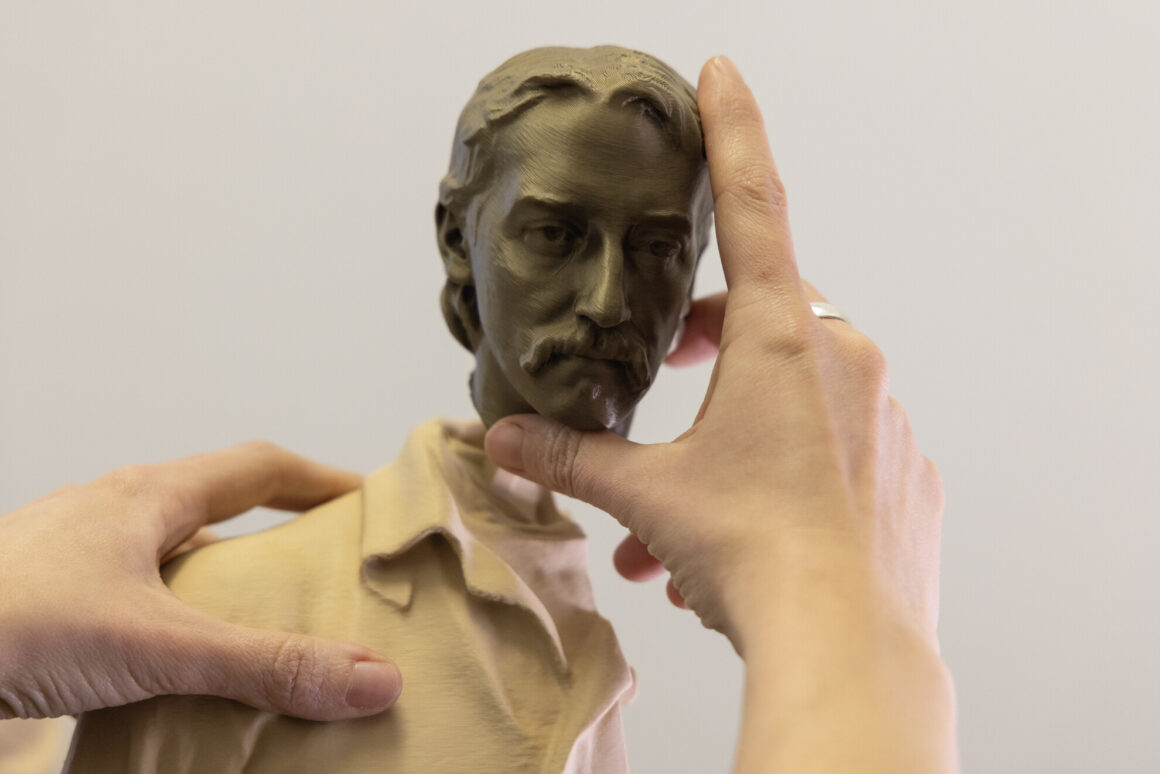
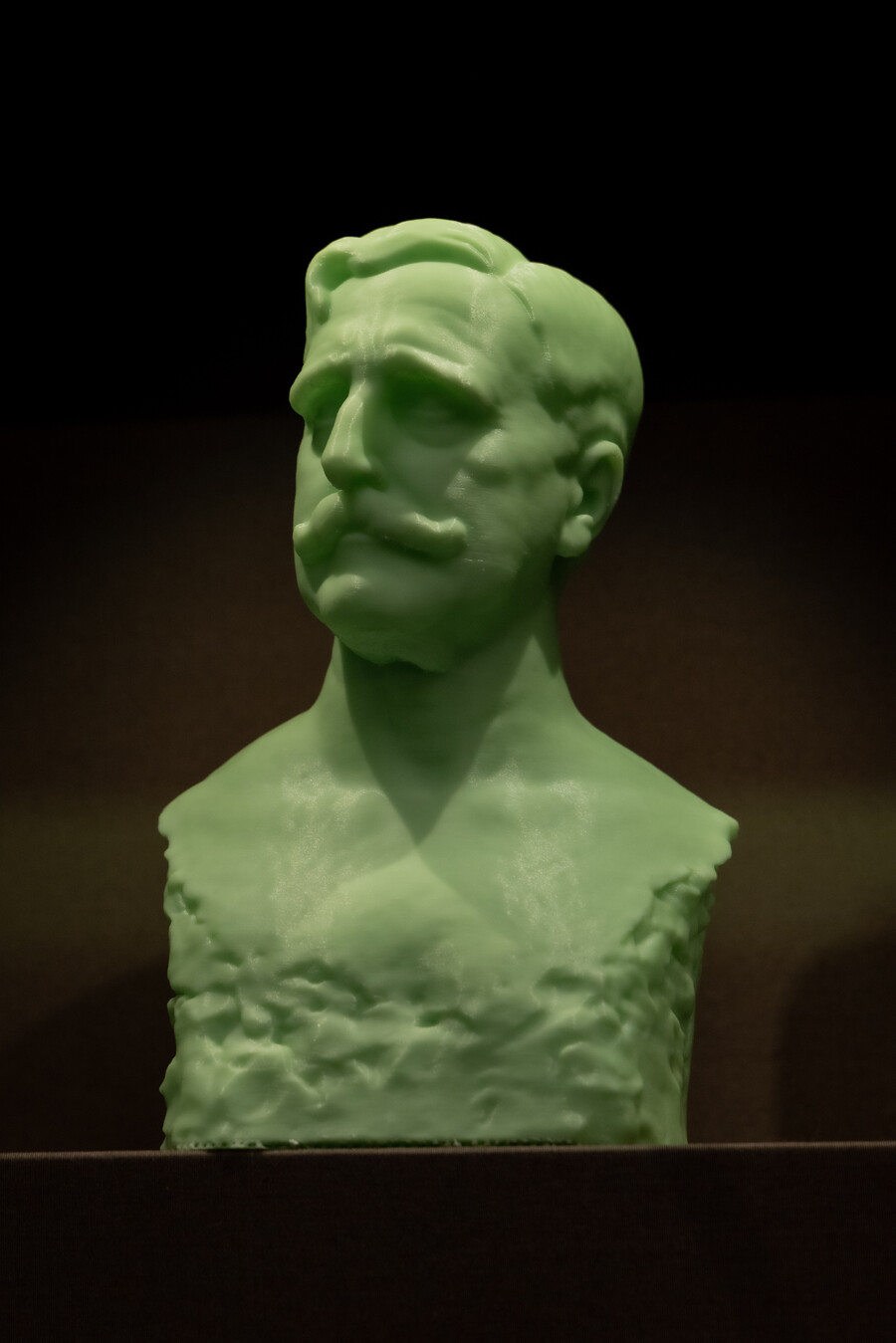
Many of the busts have been modernised through 3D scanning. Green miniature busts glow on shelves in the dimly lit book archive section of the exhibition. Two partially printed busts can be handled so visitors can understand the process. Scanning has enabled the busts to be available to a wider audience through uploading to Scan the World as well as adding a playful twist to the exhibition. In another part of the exhibition, 3D scanning was used to develop a complete model of a figure that was headless when found in the archives.
A section of the books exhibited focuses upon Physiognomy, Phrenology and Eugenics, quasi-scientific theories that attempted to justify the social domination of white male upper class men, such as those represented by most of the busts on display. The measurement and shape of the head, with wildly inaccurate data given as evidence, was often used to promote theories of racial and class superiority. A richly illustrated 1903 book by Francis Galton demonstrates the details these spurious theorists invented in order to promote their prejudices as science.
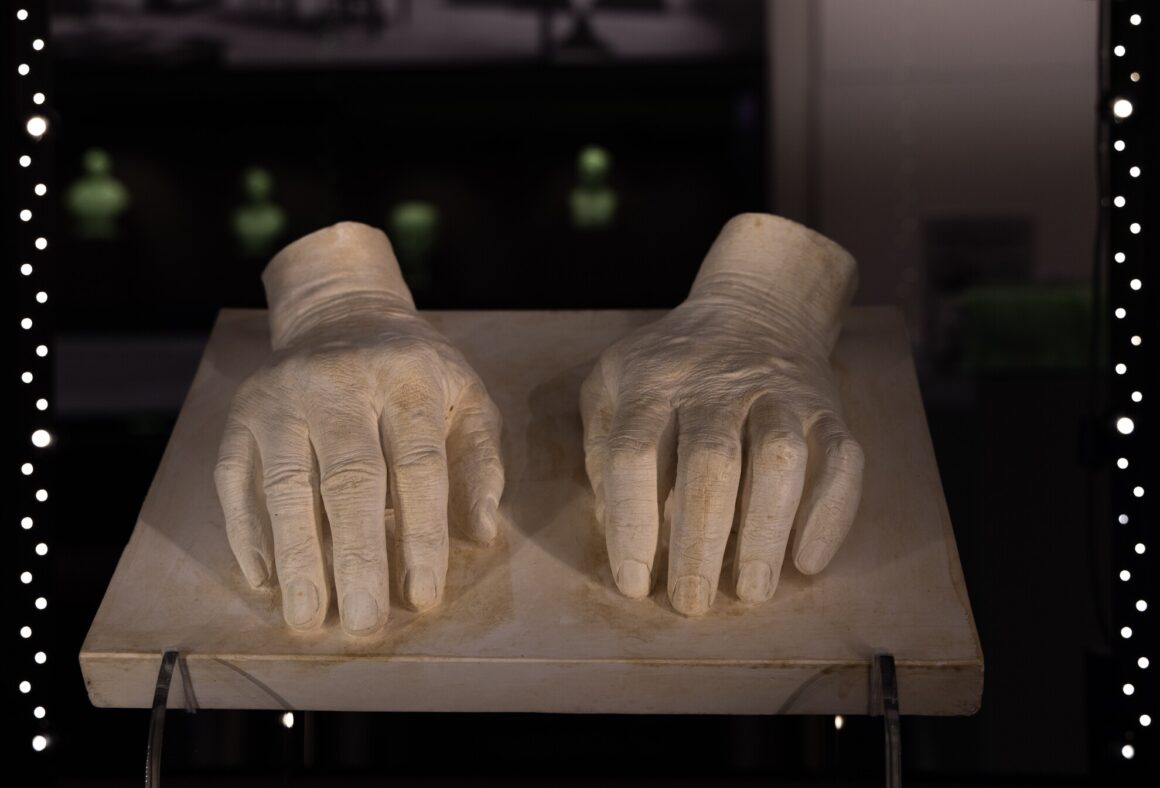
Portraiture is also present through moulded hands. Victorian society showed their respect for those who worked with their hands by replicating. The hands of two surgeons from Leeds Medical School are on display. Volunteers who worked on the exhibition have had their own hands replicated using the same process.
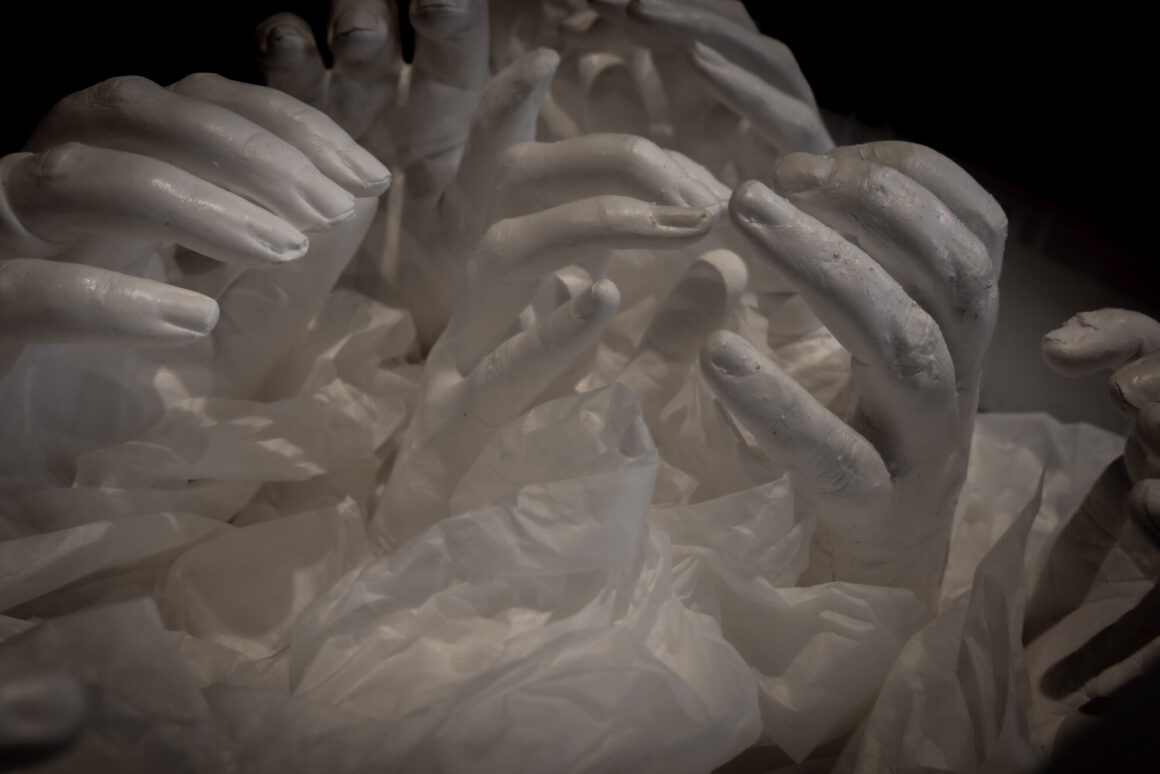
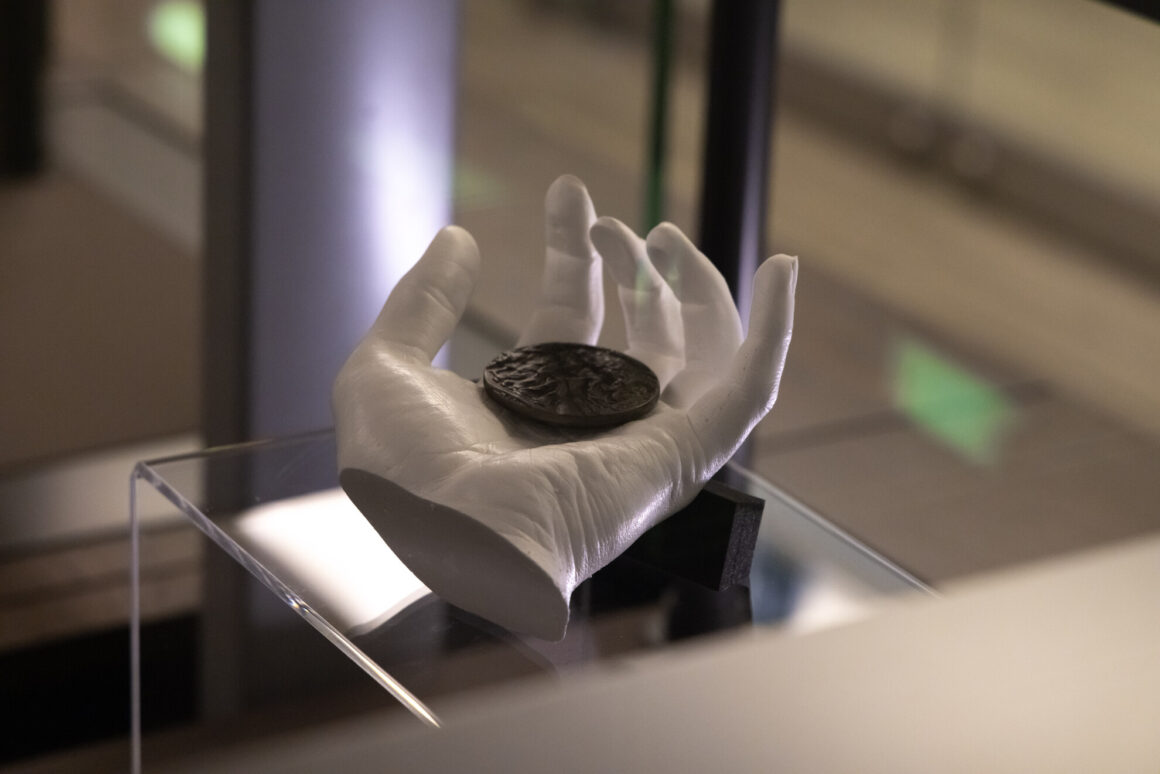
One of each pair is on open display, whilst the other is encased holding an historic coin of the volunteer’s choosing, another form of portraiture.
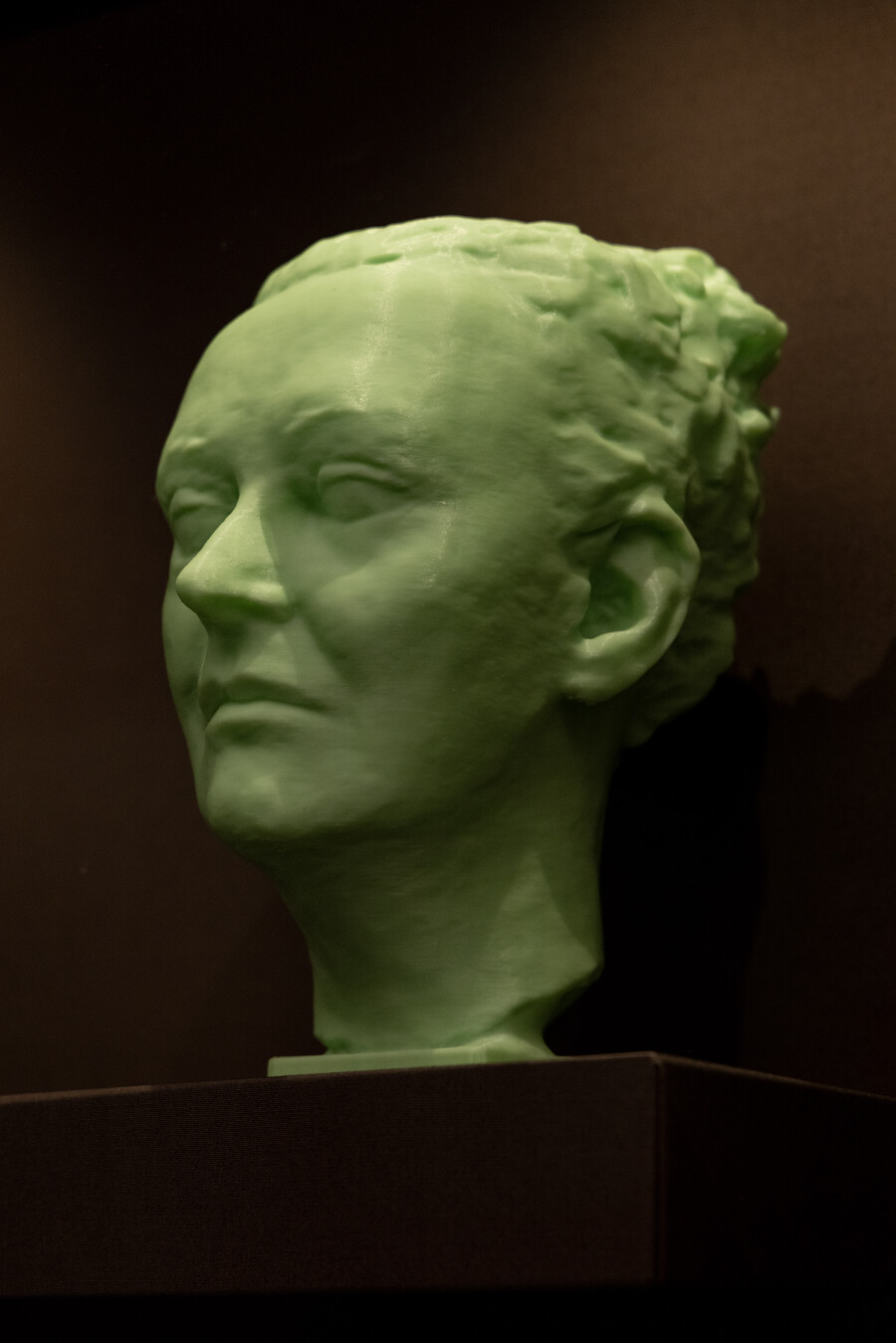
This expressive bronze bust of writer Storm Jameson has been printed in miniature in glow-in-the-dark filament for the exhibition Who am I to you? The original was sculpted by Anna Mahler – daughter of composer Gustav Mahler and Alma Mahler – in January 1948. A pioneering British novelist and essayist, Storm Jameson was known for her sharp intellect, political engagement and literary innovation. She championed writers’ rights as president of PEN International and wrote extensively on war, identity and social justice. Her work reflects a lifelong commitment to humanism and freedom of expression. Credit: University of Leeds Cultural Collection
There are only two female busts amongst many serious-faced men. The Princess Regent, who has not been moved but has been 3D printed, and Storm Jameson. Most students will only know Jamieson through the student accommodation named after her. I admit that until recently I was not aware of her work either, then a literary tour of her home town of Whitby introduced me to one of the most prolific writers of the twentieth century. In her lifetime, her writing received popular and literary acclaim but has largely been forgotten since. Her bust is the work of Anna Mahler, perhaps indicative of a woman’s take on who should be revered.
Women have been important in the story of University of Leeds libraries, so it is sad that they were not commemorated. The University’s first librarian was Fanny Juliet Passavant. A photo of the library she managed (now archives under the Cloth Hall) is part of the exhibition and a Blue Plaque was erected on the Cloth Hall in 2021, but in her lifetime there was no commemoration of her contribution.
Another important woman was Dorothy Una Ratcliffe, the niece by marriage of Lord Brotherton. The impressive Brotherton Library was built with funds from the lord, but he did not live long enough to see the library built. Organising the stocking of the library, using many of the books from Brotherton’s estate, was left to Ratcliffe. Both figures have been immortalised by Ivan Mestrovic. The Reader is a full-size statue depicting Ratcliffe reading a book. In the exhibition, she looks down towards a smaller head and shoulders statue of Lord Brotherton.
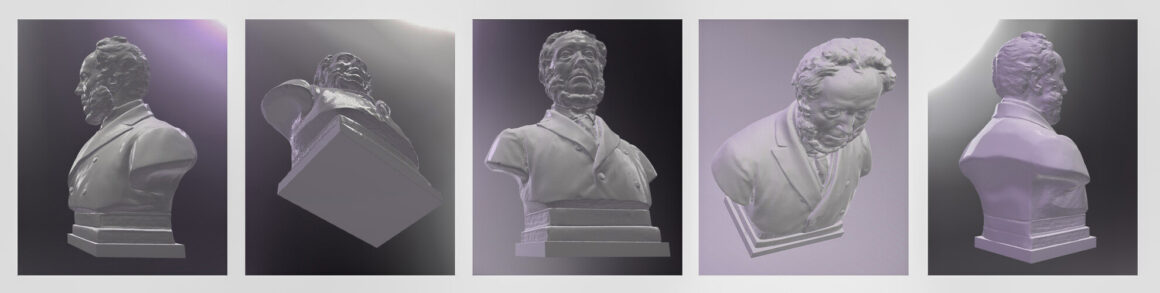
The original busts are displayed chronologically, allowing the viewer to perceive changes in manufacture and composition. The early busts are all in marble or plaster, and solemn. The last three busts, Epstein bronzes, show much more character and emotion.
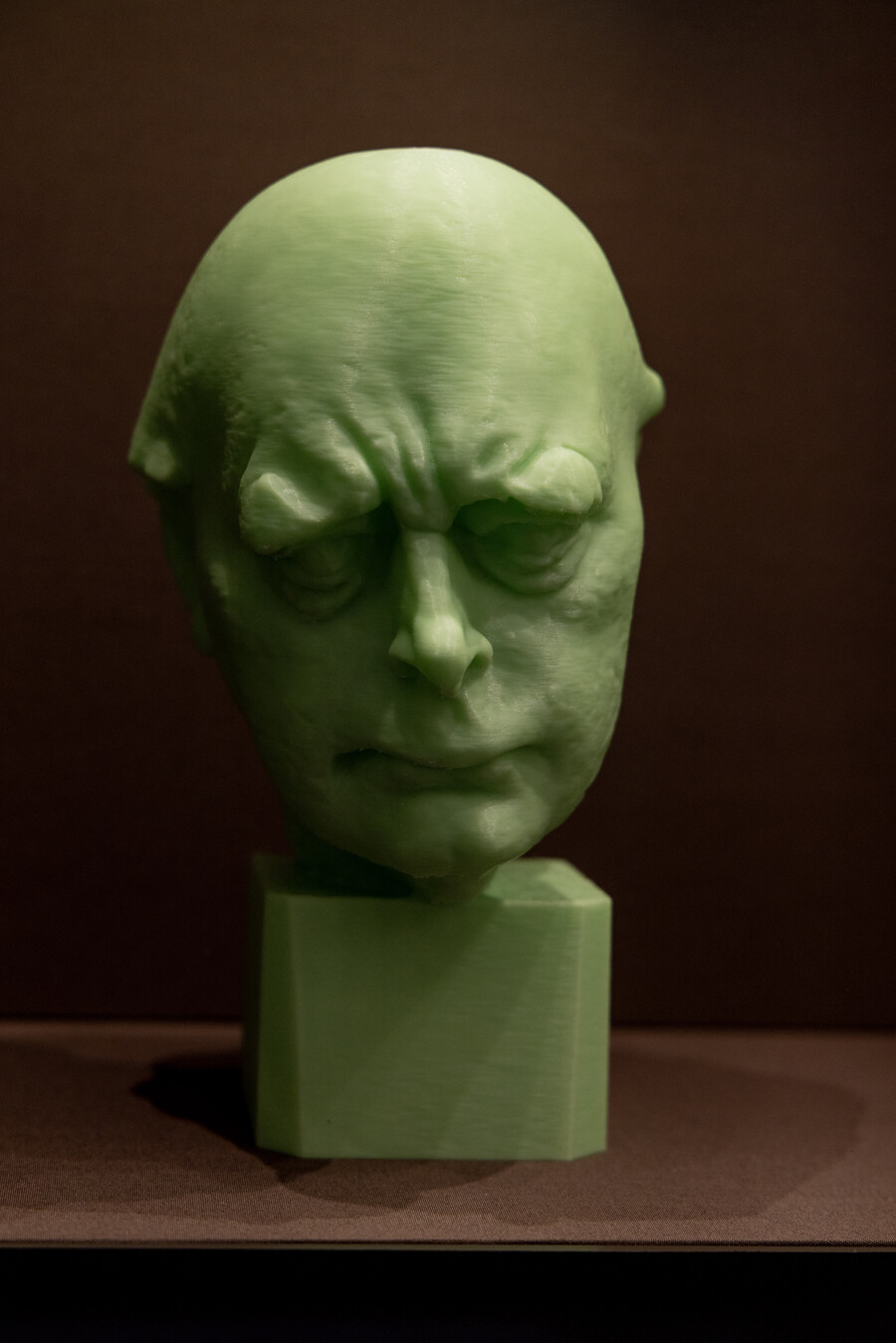
Opposite the busts are exhibited two African artefacts, donated by a social anthropologist in the 1960s. Both are labelled Maker Unknown, a nod to the stories and acknowledgements that are missing from university archives. We can appreciate the skill of these sculptors, the role of the figures represented, whilst acknowledging that the bust collection represents a very partial view of history.
Tuesday 3 February – Saturday 3 October 2026
Who am I to you?
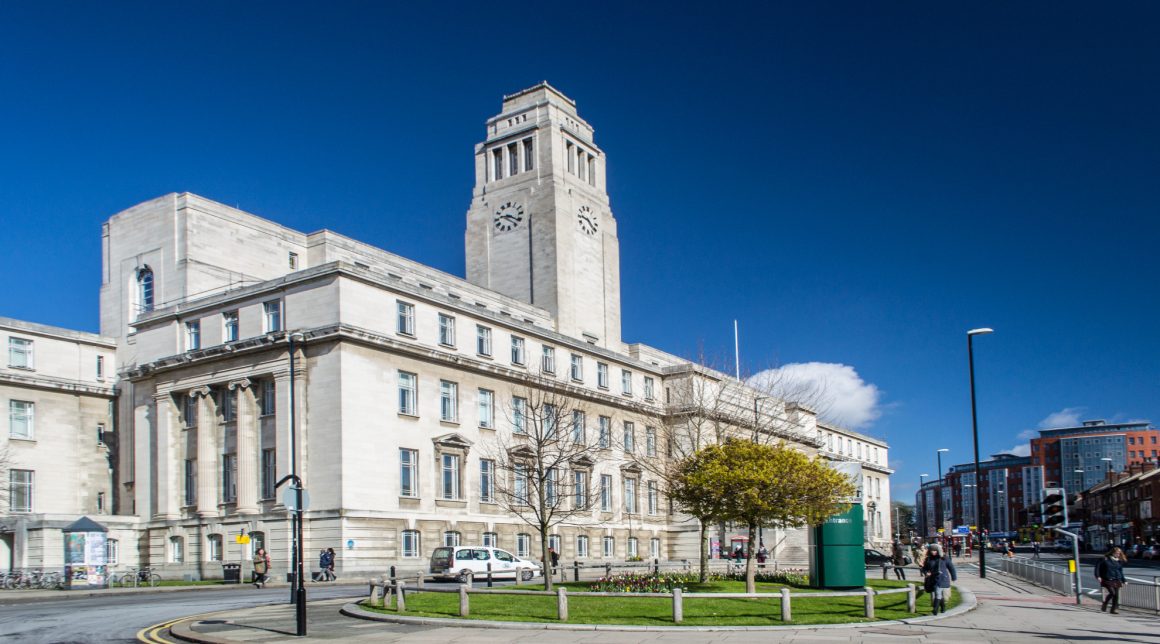
Treasures of the Brotherton Gallery, Parkinson Building, University of Leeds, LS2 9JT