…..Because we have news for you: biohacking has gone mainstream.
Once the preserve of Silicon Valley billionaires, elite athletes and A-listers, the pursuit of living better for longer has found its way into everything, from our smartwatches to our supplements. We’re now able to track our sleep, heart rate and recovery, talk about metabolic health over coffee and have somehow all become vaguely interested in our mitochondria.
Now, Leeds has its own answer to the longevity movement.

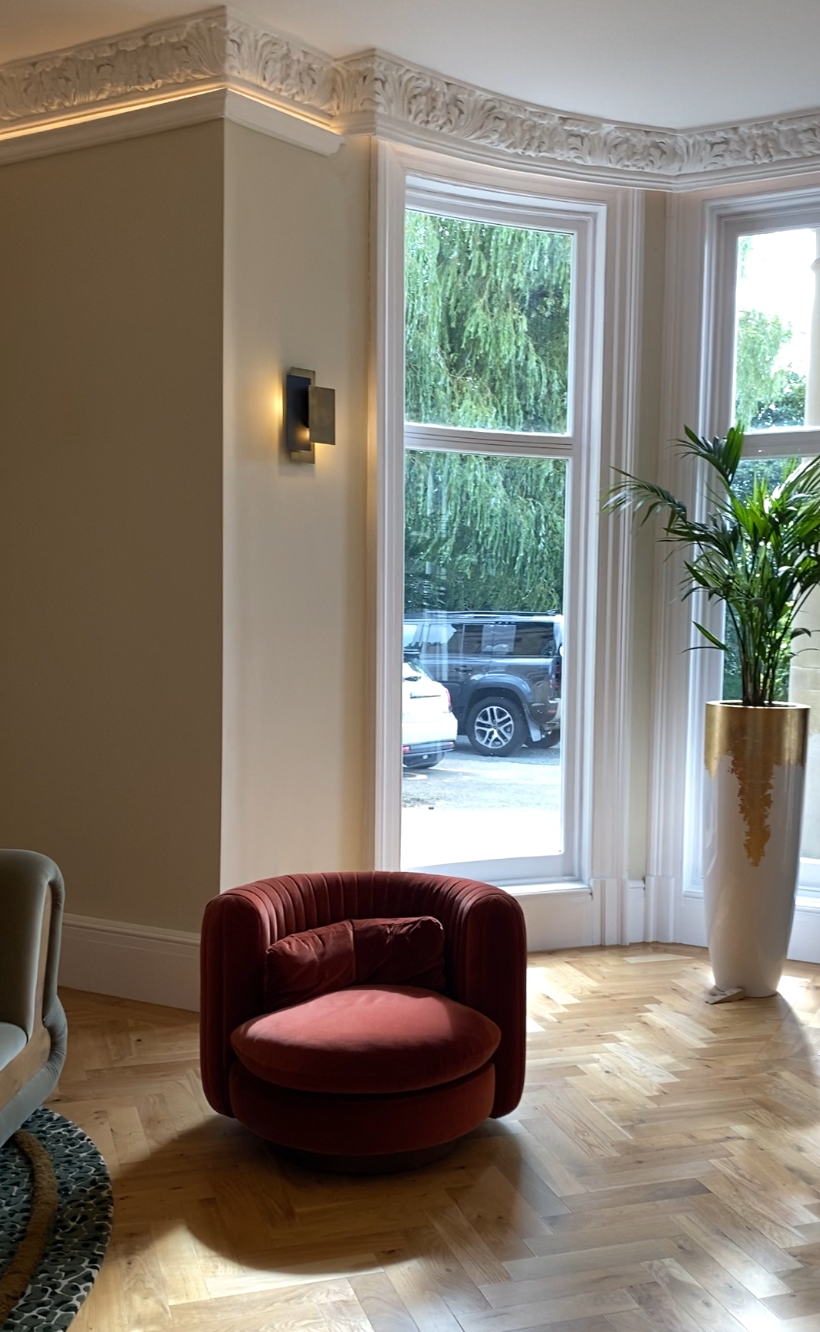
metahealth is a health and wellbeing clinic which has recently located to the luxurious Kitson House in Roundhay. It’s built around a compelling idea: why wait until something is wrong before paying attention to how your body is functioning?
Leeds Living were kindly invited along to try metaReset – the One-Hour Biohacking Reset – and I couldn’t wait to find out what this rather futuristic approach to wellness actually feels like in practice.
So, naturally, I volunteered to be biohacked.
I was booked in with metahealth founder Steve Campbell to try the clinic’s signature one-hour, full-body treatment, combining some of its most interesting recovery technologies into one session.
And, despite involving a vibration platform, radiofrequency technology and 20 minutes beneath a bank of red lights, it turned out to be one of the most relaxing hours I’d had in a while.
The Idea Behind metahealth
metahealth sits in an interesting space somewhere between wellness, performance, recovery and the rapidly growing world of longevity.
Steve Campbell’s route into it makes sense.
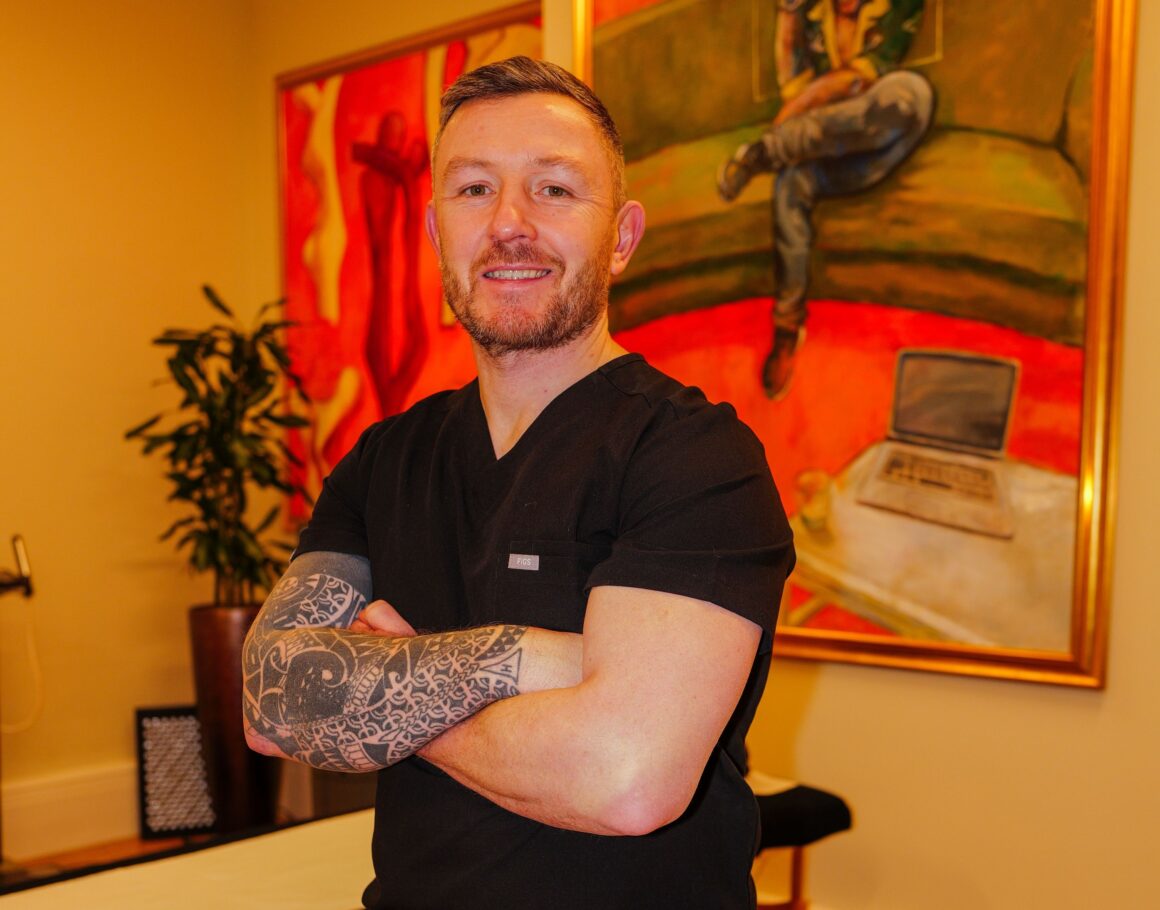
A former professional rugby league player, Steve went on to qualify as a sports therapist before working in coaching and personal training. Over time, however, his interest moved beyond the traditional idea that being healthy simply means exercising more and eating well.
Working within a Leeds muscle and bone clinic and training to carry out technologies including DEXA body composition and bone-health scans gave Steve a different perspective: what if we could understand more about what is happening inside our bodies while we still feel well?
That thinking eventually became metahealth.
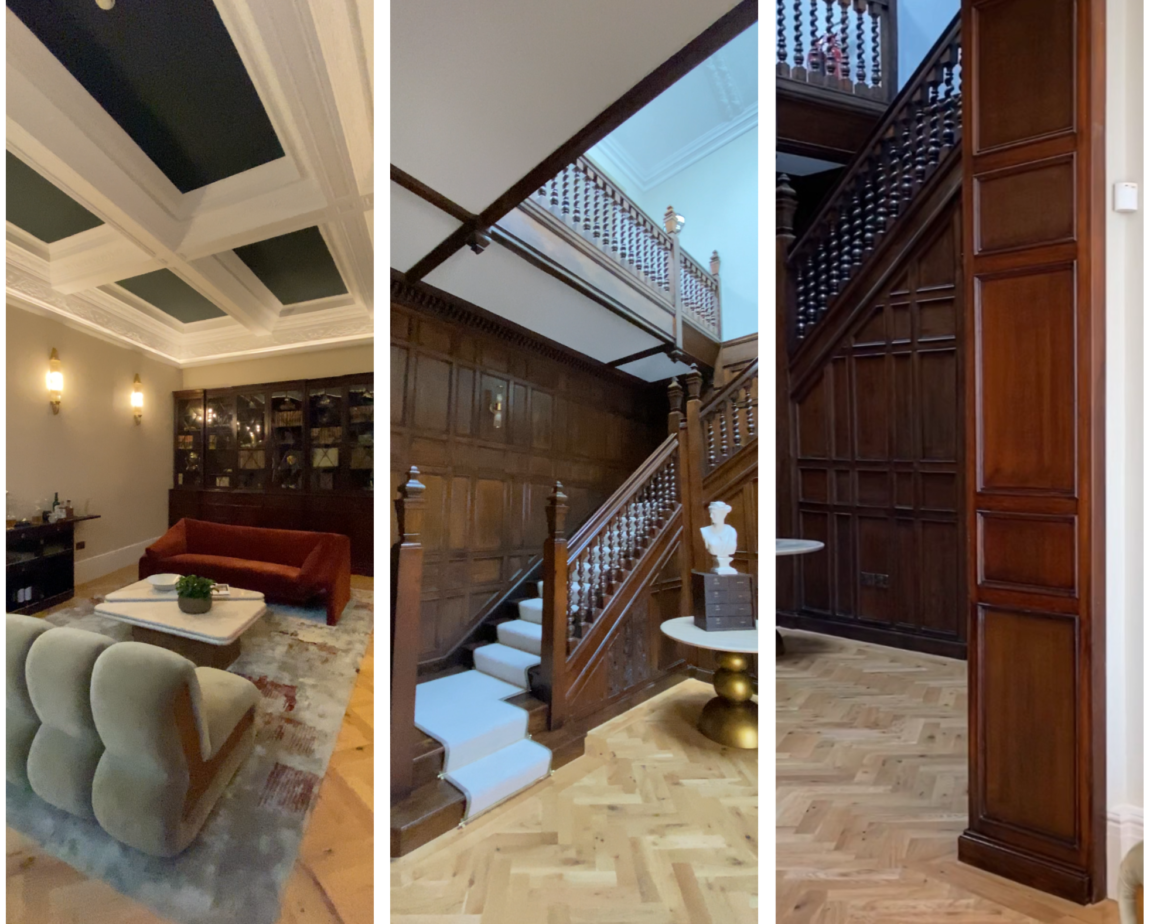
Rather than presenting itself as an alternative to conventional medicine, the clinic is focused on proactive health: combining assessment, data and non-invasive technologies to give people a better understanding of their bodies and encourage them to think about their health – before there is necessarily a problem to solve.
It is a philosophy that feels particularly relevant now.
Our watches can already tell us how well we slept, how quickly our heart rate recovered after exercise….. the list goes on. At the same time, conversations around biological ageing, metabolic health, recovery and longevity have moved rapidly into the mainstream.
The difficulty is knowing what any of it actually means – and separating genuinely useful technology from whatever happens to be trending on Instagram this week.
That distinction is important to metahealth. The clinic is decidedly enthusiastic about health technology, but not simply for technology’s sake. There is a strong emphasis on using it with purpose, and on recognising where wellness ends and conventional healthcare begins.
So far, so sensible.
TIME FOR MY RESET
metaReset costs £150 and brings several of the clinic’s treatments together into a single 60-minute experience.
My session began, reassuringly, with a conversation rather than a machine.
Steve talked me through how I was feeling, whether I had any pain or injuries and what might be worth concentrating on during the appointment.
That personal element is an important part of metahealth. The wider clinic is built around establishing a picture of the individual rather than simply choosing something from a treatment menu, with assessments looking at areas such as body composition, lifestyle, movement, recovery and personal goals.
After our chat, it was time for 10 minutes on the Vibration plate.
For anyone unfamiliar with it, the platform vibrates beneath you while you work through different positions and movements. It is a highly unusual sensation at first, but Steve guided me through the entire thing and it quickly became surprisingly enjoyable.
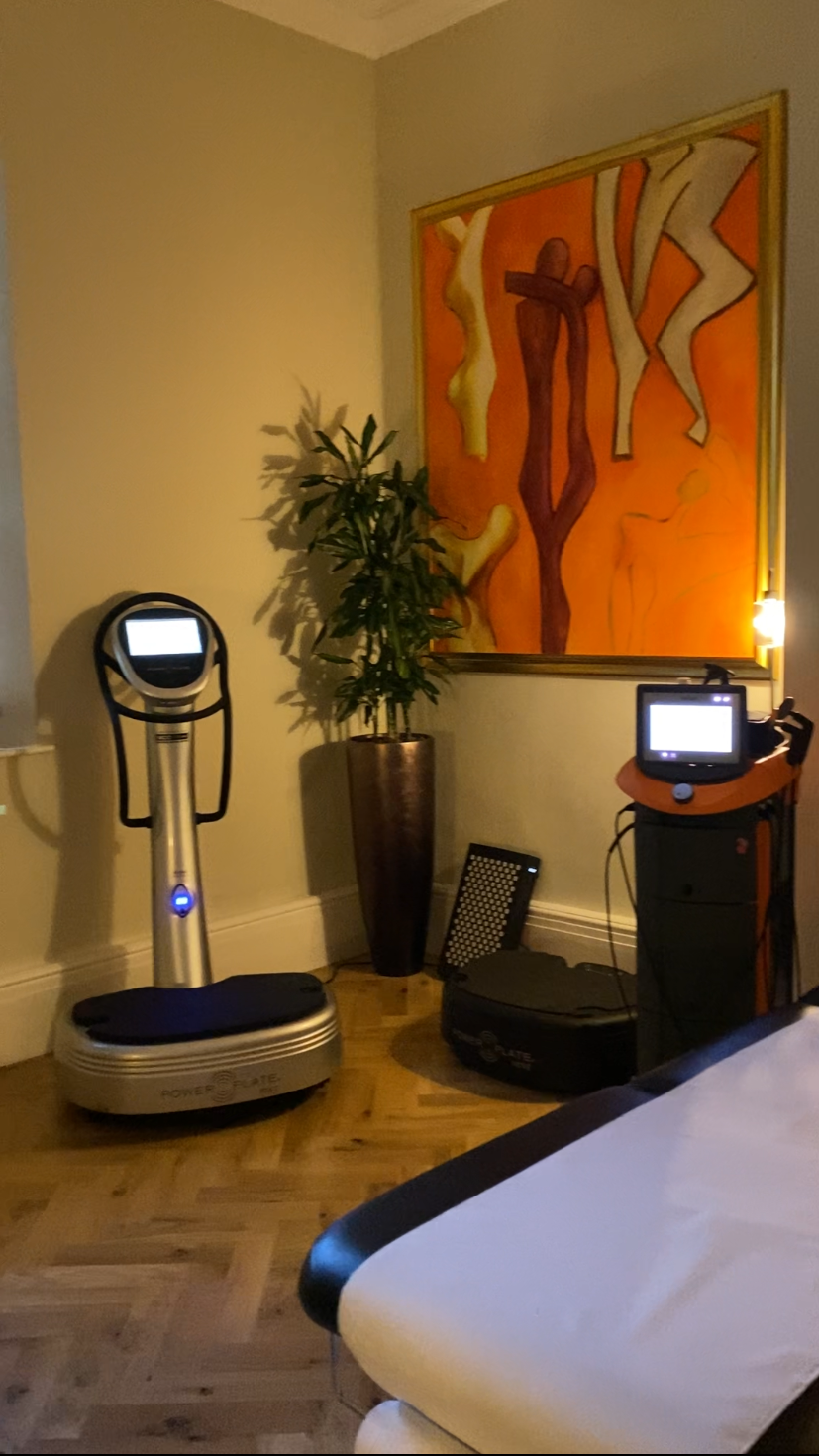
The idea is to stimulate the body and nervous system before moving into the other parts of the session.
Next up was INDIBA, a radiofrequency technology used within sports rehabilitation, physiotherapy and recovery settings.
metahealth uses it as one of its tools for supporting recovery and addressing areas of discomfort. My spinal treatment lasted around 20 minutes.
This was the point where metaReset stopped feeling remotely like a clinic appointment and started feeling rather luxurious. In fact, one of the things that impressed me most about the entire experience was how well considered it felt. I never felt hurried from one futuristic machine to another just for the novelty of it.
Steve explained what we were doing and why, and the different stages flowed naturally together. It was incredibly thorough, but also genuinely relaxing.
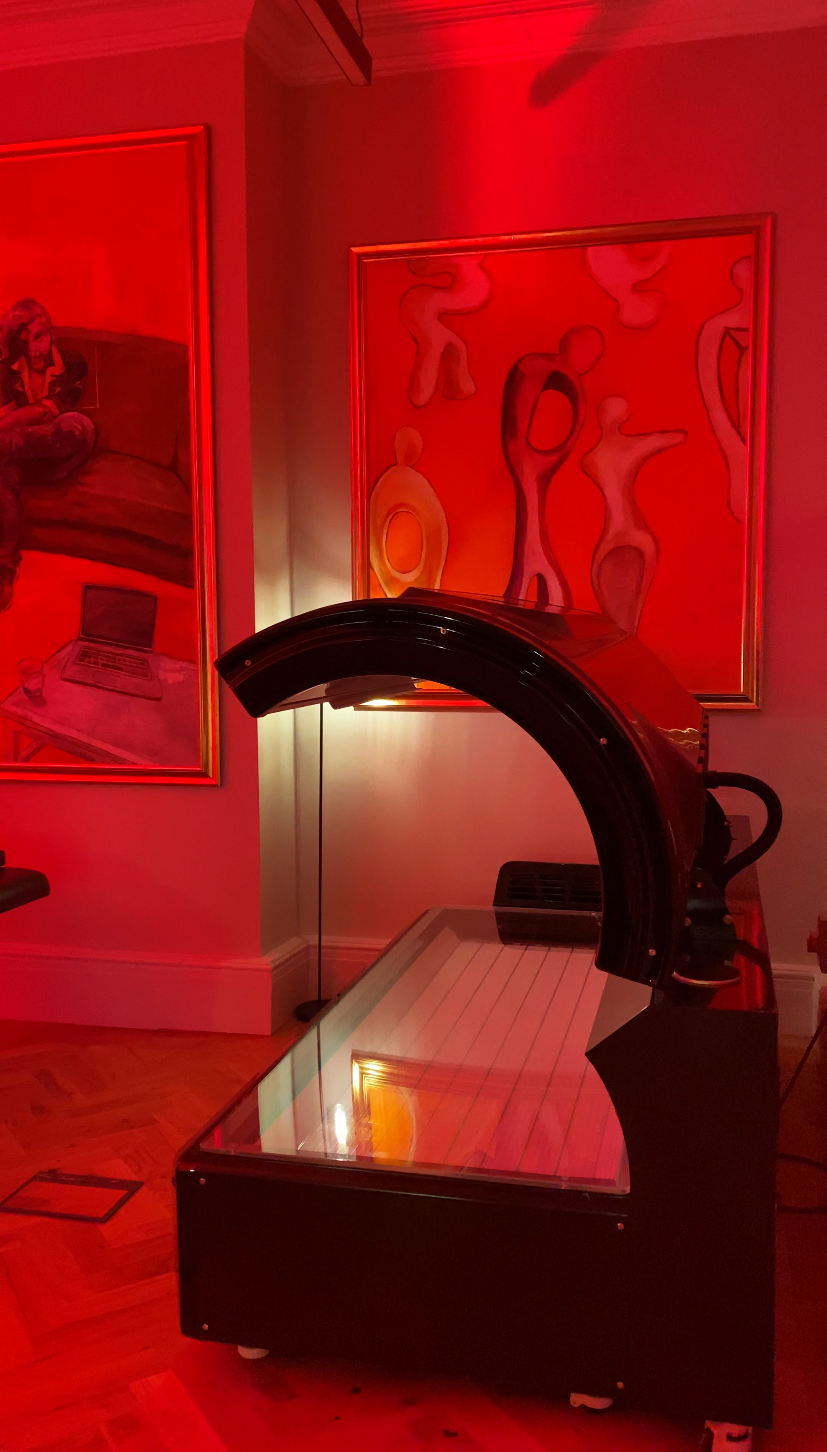
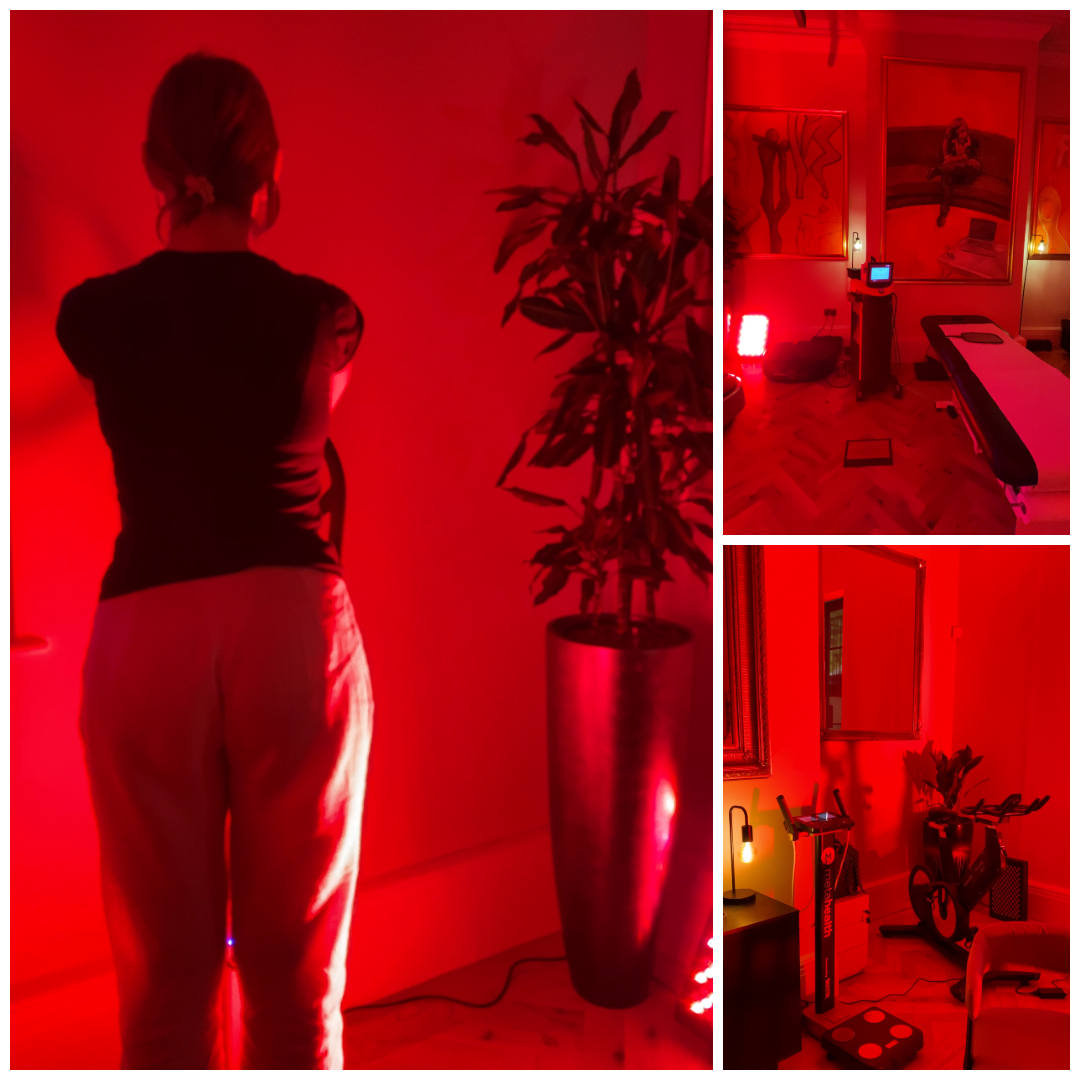
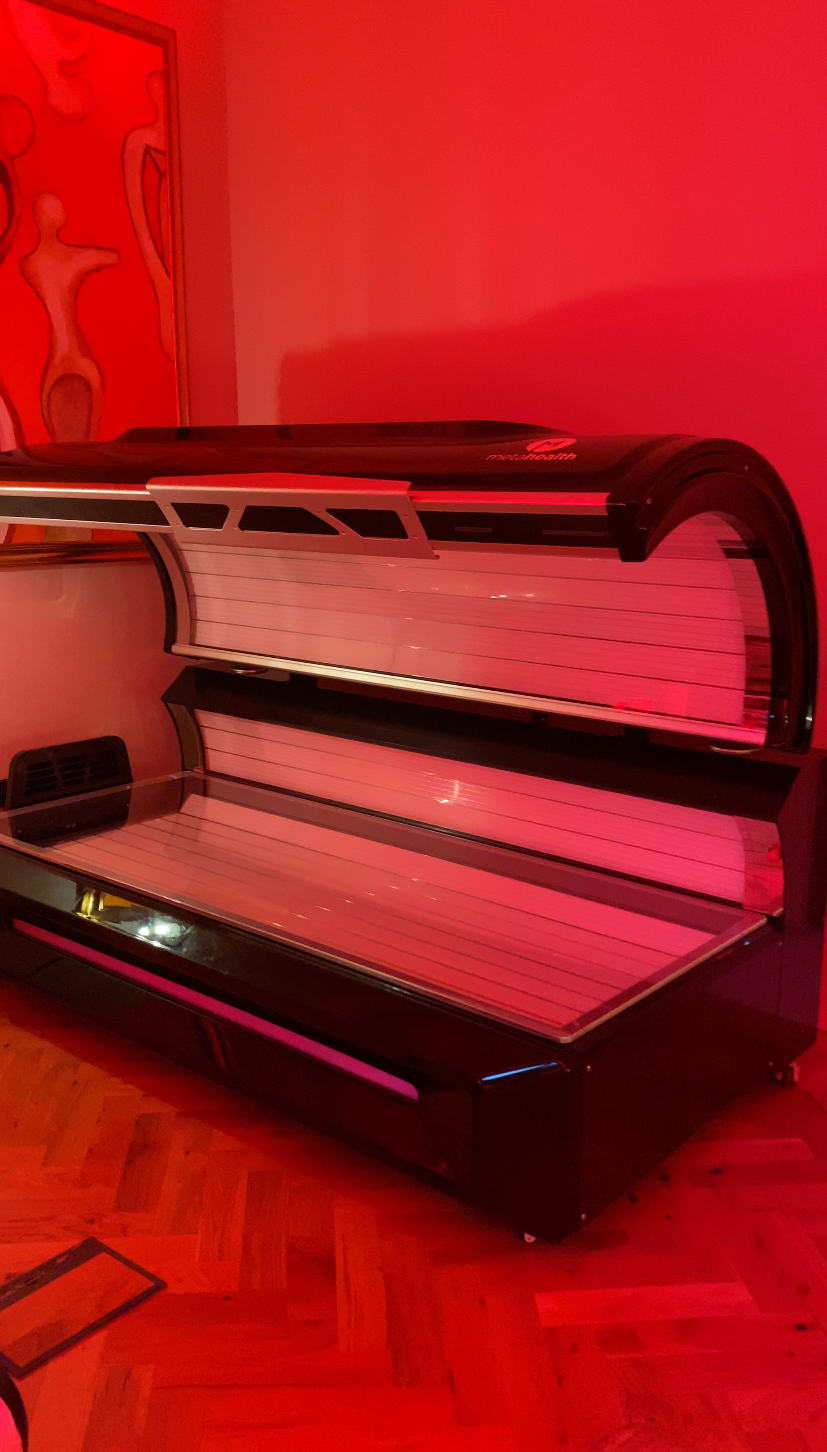
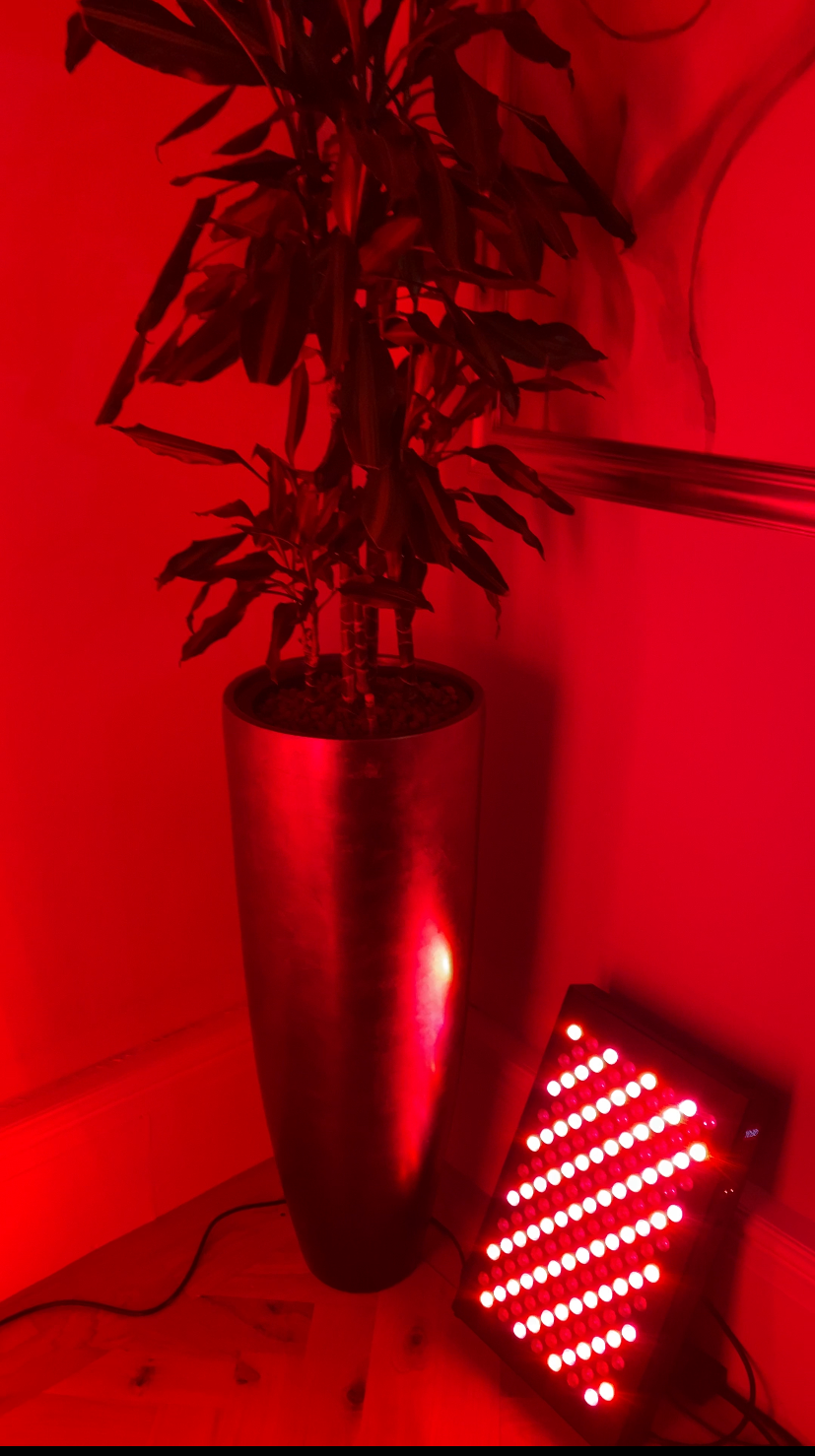
And then came the part I had been particularly looking forward to: My metaReset finished with 20 minutes of red light therapy.
If there is one piece of technology that has become synonymous with the current longevity and biohacking movement, this is probably it.
Red and near-infrared light devices have appeared everywhere, from elite performance facilities to high-end wellness clinics, with ongoing research exploring their potential applications in areas including recovery and cellular function.
At metahealth, it provides a wonderfully calming finale to the Reset experience.
There is nothing to do.
No vibrating platform. No instructions. You simply lie underneath the lights and switch off. And while I cannot report that I emerged biologically ten years younger, I did notice something rather more immediate.
My skin looked fantastic.
I walked out with a noticeably fresh, healthy glow which lasted well beyond the appointment.
If that was going to be my first visible result from biohacking, I was perfectly happy with it.
Is this the future of wellness?
What I liked about metaReset was that it gave me a glimpse into the world of longevity without requiring me to become obsessive about it.
There is a tendency for the term “biohacking” to conjure up extremes: endless blood tests, complicated supplement stacks and people monitoring every biological variable they possibly can.
metahealth feels much more approachable.
At its heart is the relatively straightforward idea that we have become very good at reacting to ill health, but perhaps not quite as good at being curious about our health while everything appears to be working normally.
That does not mean replacing doctors or treating wellness technology as medicine. metahealth is very clear about that distinction. It does mean taking a more active interest in our bodies, using useful information where it is available and exploring technologies that may support things such as recovery, movement and general wellbeing.
metaReset is probably the perfect introduction to that philosophy.
In a single appointment, I experienced three completely different technologies without the session ever feeling clinical or overwhelming. Instead, I left feeling thoroughly looked after, deeply relaxed and – thanks to those red lights – considerably more radiant than when I arrived.
The quest for eternal youth may have some way to go. But an hour of biohacking in Roundhay?
I could certainly be persuaded to do that again. You can find out more or make a booking via their website here.
Main image courtesy of metahealth. Remaining Photography by Amy Mortin.